As dental technology continues to evolve, one innovation transforming modern dental practices is digital impression technology. Unlike traditional methods that use trays and impression material, digital impressions capture precise images of the teeth and oral structures using intraoral scanners and computer software. This method has become increasingly popular among dental professionals for its ability to enhance accuracy, efficiency, and patient comfort.
Catalis Dental Lab Partners, with locations in Phoenix, Arizona, and Warren, Michigan, works closely with dental professionals across the country and understands the vital role advanced digital tools play in modern dentistry. In this article, we’ll explore the key benefits of digital dental impression technology from both a clinical and patient-care perspective.
Enhanced Accuracy and Precision
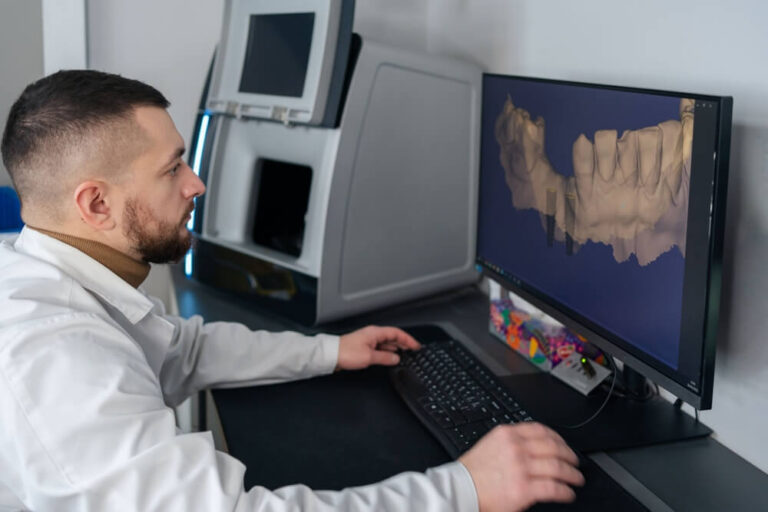
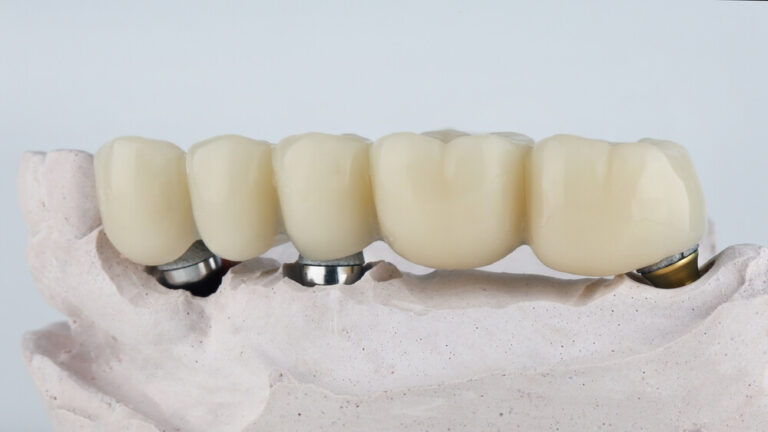
Digital dental impressions are known for their exceptional accuracy, significantly reducing the risk of human error. Traditional impressions can be affected by a range of variables—such as patient movement, incorrect tray positioning, or distorted materials. In contrast, digital impressions provide a highly detailed, 3D image of the patient’s dentition, allowing for greater precision in designing dental restorations like crowns, bridges, veneers, and aligners.
This level of detail minimizes the need for remakes and adjustments, which can delay treatment. The software used with digital impressions allows clinicians to zoom in and rotate the scanned images, ensuring all relevant anatomical features are captured correctly. It also enables immediate detection of issues, which can be addressed on the spot—reducing the number of appointments and improving the fit and function of the final restoration.
Improved Patient Comfort
One of the most immediate and noticeable advantages for patients is the comfort associated with digital impressions. Traditional methods involve filling a tray with a putty-like material that is then placed in the patient’s mouth for several minutes. This process can be uncomfortable, messy, and can trigger gag reflexes in sensitive individuals.
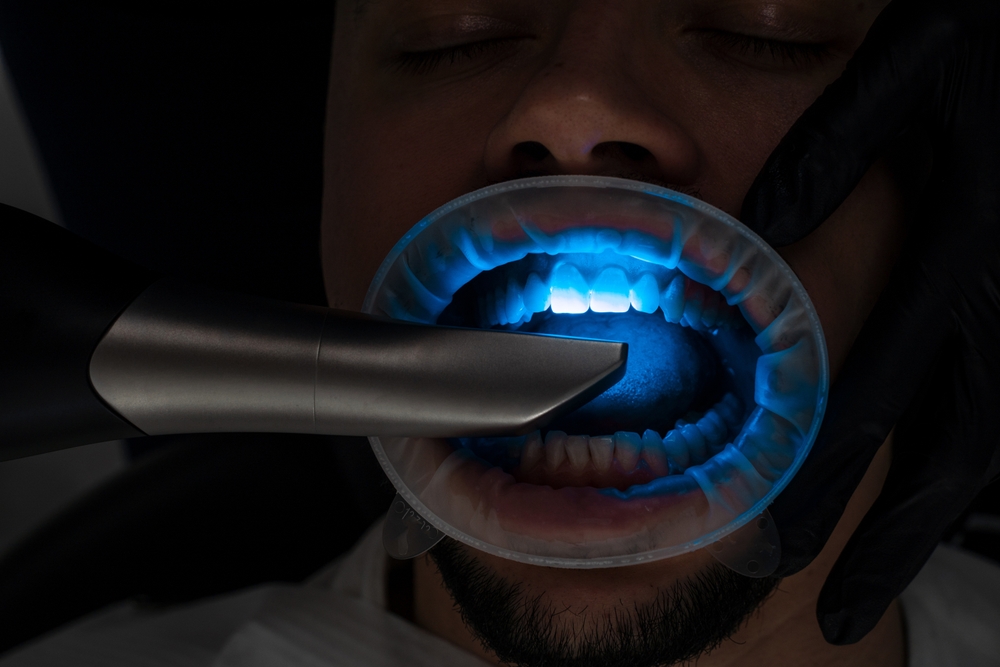
Digital impression systems eliminate the need for impression material altogether. The scanner is small, sleek, and simply glides over the teeth to capture images. The process is quick, non-invasive, and much more comfortable for patients. This improved experience can also enhance patient satisfaction and increase the likelihood of compliance with future treatment recommendations.
Streamlined Workflow and Efficiency
Digital impressions significantly streamline the clinical workflow. The process of scanning, reviewing, and sending impressions to the lab can be completed in minutes. This eliminates the time spent waiting for impression materials to set, disinfecting trays, and shipping physical molds to the lab. In turn, this reduces turnaround times and allows for quicker fabrication of restorations.
Digital files are transmitted electronically, meaning dental labs can begin working on the case almost immediately. Additionally, any necessary adjustments or rescans can be performed quickly, without the delays associated with remaking physical molds. This speed and efficiency benefits both the dental team and the patient by reducing chair time, improving appointment scheduling, and expediting the overall treatment timeline.
Reduced Risk of Cross-Contamination
In a clinical setting, maintaining a sterile environment is paramount. Traditional impressions involve reusable trays and materials that require thorough cleaning and disinfection between patients to avoid cross-contamination. Even with stringent protocols, there’s always a risk of transmission of pathogens due to improper sterilization or handling.
Digital impressions mitigate this concern by using a digital scanner that can be easily disinfected and doesn’t come into contact with impression materials or saliva. Once the digital scan is complete, the image is saved and transferred electronically—eliminating the need for physical handling or transport. This significantly enhances the overall safety and hygiene of the dental procedure for both staff and patients.
Eco-Friendly and Cost-Effective Over Time
While the initial investment in digital impression technology can be substantial, it often proves to be cost-effective in the long run. Traditional impressions require continuous spending on trays, materials, shipping, and storage. Additionally, remakes due to errors or material distortion can drive up costs and waste valuable time.
Digital impressions remove much of that recurring expense. There’s no need for physical storage of molds, less material waste is generated, and cases can be archived digitally for future reference. The environmental impact is also reduced, as less plastic and impression material is disposed of. This makes digital technology a more sustainable choice, aligning with the growing interest in eco-conscious healthcare practices.
Better Communication Between Clinicians and Labs
Digital technology enhances communication and collaboration between dental offices and labs. The ability to share 3D files instantly allows dental technicians to better understand the clinician’s vision and patient needs. Notes, annotations, and visual aids can be added directly to the file, minimizing the potential for miscommunication and ensuring a smoother workflow.
Moreover, when labs have questions or need clarification, the clinician can review the scan together with the lab in real time, regardless of their geographic location. This collaborative capability leads to higher-quality restorations, greater consistency, and an overall more unified approach to patient care.
Opportunities for Patient Education and Engagement
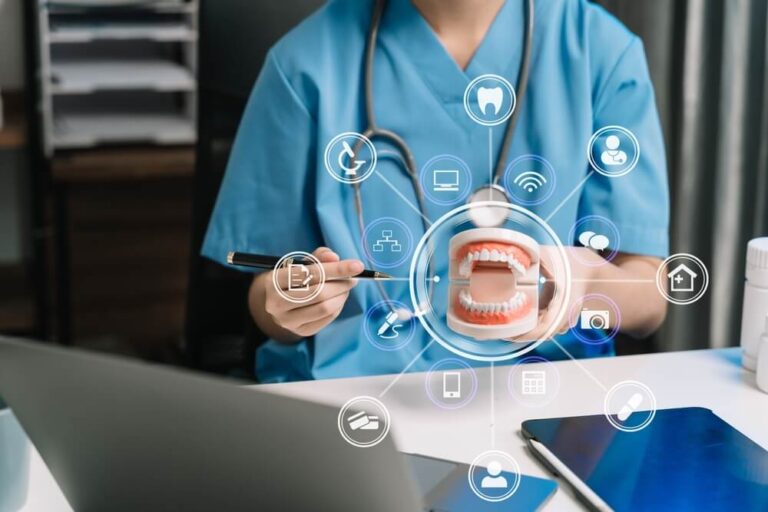
One underappreciated benefit of digital impressions is the opportunity they provide for patient education. Because scans generate detailed 3D models of the patient’s mouth, these visuals can be shared chairside to explain dental conditions, treatment plans, and the expected outcomes. This visual communication is far more engaging and understandable than using diagrams or verbal explanations alone.
When patients see their own dental scans, they often gain a better understanding of their oral health and the importance of recommended treatments. This level of engagement can increase trust in the provider, improve compliance, and ultimately lead to better long-term outcomes.
Future Integration with Broader Digital Systems
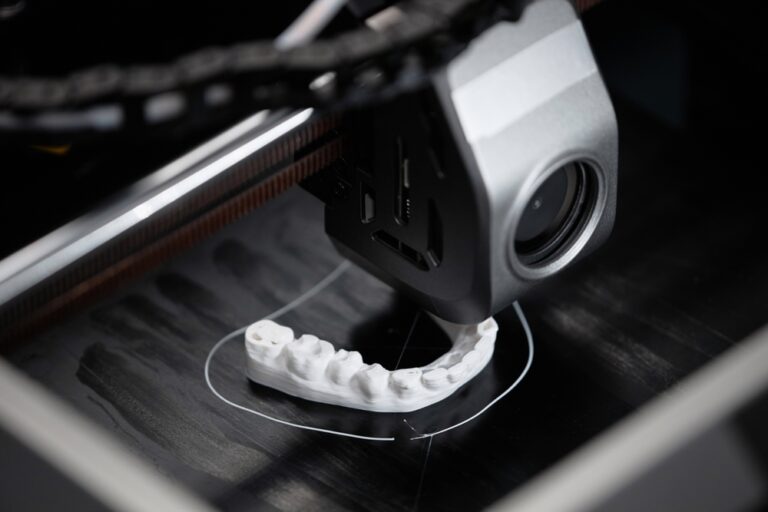
As dental technology becomes increasingly interconnected, digital impressions serve as a foundation for integration with other systems like CAD/CAM, digital orthodontics, and even virtual smile design. The digital models created from scans can be used in tandem with software that designs crowns, aligners, or full-arch prosthetics, seamlessly merging diagnostics with treatment planning.
This digital ecosystem not only simplifies workflows but also enhances the quality and customization of dental care. As more practices adopt fully digital systems, patients can expect faster, more accurate, and more aesthetically pleasing results.
Conclusion
Digital dental impression technology has ushered in a new era of precision, comfort, and efficiency in dentistry. From improving patient experiences to streamlining clinical workflows and enhancing communication between practices and labs, the benefits are profound and far-reaching. For professionals and patients alike in cities like Phoenix, Arizona and Warren, Michigan, innovations like digital impressions are reshaping how dental care is delivered—with a focus on speed, accuracy, and long-term satisfaction.
Resources
Mangano, F., Gandolfi, A., Luongo, G., & Logozzo, S. (2017). Intraoral scanners in dentistry: a review of the current literature. BMC Oral Health.
Chochlidakis, K., Papaspyridakos, P., Tsigarida, A., & Ercoli, C. (2016). Digital versus conventional impressions for fixed prosthodontics: A systematic review and meta-analysis. Journal of Prosthetic Dentistry.
Burhardt, L., Livas, C., Kerdijk, W., van der Meer, W. J., & Ren, Y. (2016). Treatment comfort, time perception, and preference for conventional and digital impression techniques: A comparative study in young patients. American Journal of Orthodontics and Dentofacial Orthopedics.