Dental impressions are a fundamental part of restorative and cosmetic dentistry, allowing practitioners to create accurate molds of a patient’s teeth and oral structures. These molds serve as the foundation for crafting crowns, bridges, dentures, orthodontic appliances, and more. Understanding the different types of dental impressions and their specific applications is crucial for both dental professionals and patients seeking informed care. Catalis Dental Lab Partners, serving the Phoenix, Arizona, and Warren, Michigan regions, recognizes the importance of precision in dental impressions to achieve optimal results. This article explores the various types of dental impressions and their distinct uses in modern dental practice.
Traditional Dental Impressions: Materials and Methods
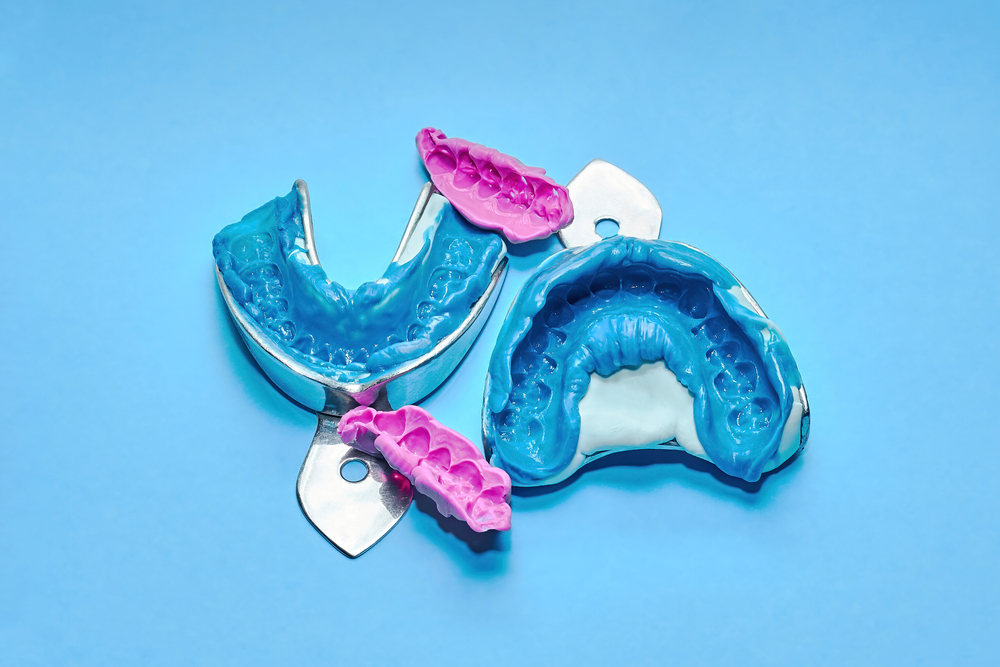
Traditional dental impressions are created using physical materials that capture the shape and contours of teeth and gums. This method has been the standard for many decades, relying on impression trays filled with various materials that harden inside the mouth to form a mold.
The most commonly used materials include alginate, polyvinyl siloxane (PVS), and polyether. Alginate is a popular choice for preliminary impressions because it is inexpensive, easy to use, and sets quickly. However, it is less dimensionally stable over time, so it must be poured soon after being taken. Polyvinyl siloxane is a more advanced silicone-based material known for its excellent detail reproduction and dimensional stability, making it ideal for final impressions used in restorative work. Polyether offers excellent flow and accuracy but tends to be more rigid, requiring careful handling.
Impression trays, which hold the impression material, come in various sizes and types—stock trays that fit most mouths or custom trays tailored to individual patients for improved precision. The impression is taken by placing the tray filled with material into the mouth, allowing it to set, then carefully removing it to preserve the negative imprint of the dental structures.
Digital Impressions: Technology and Benefits
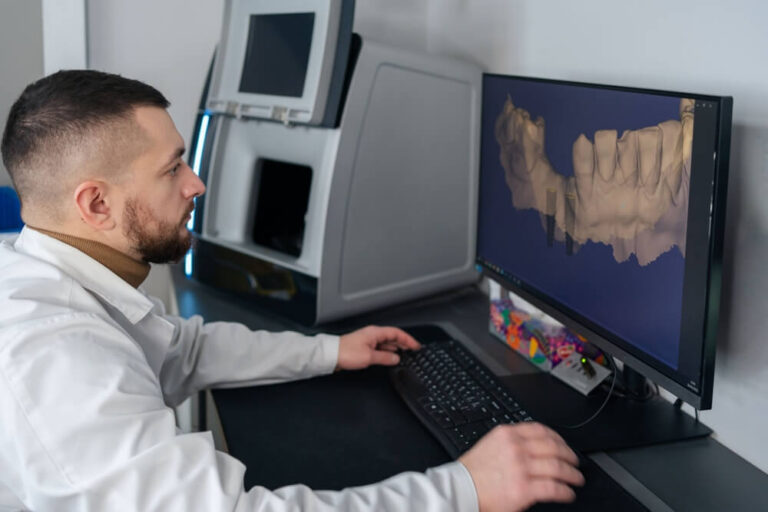
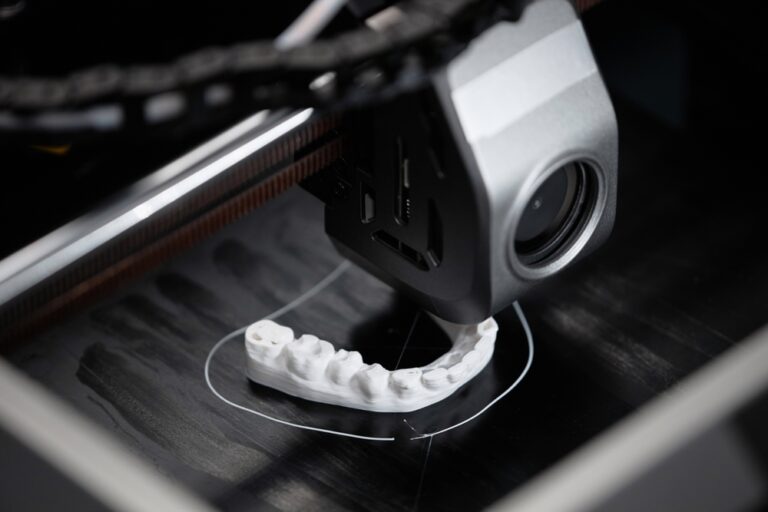
Digital impressions represent a significant advancement in dental technology. Instead of using physical materials, digital impressions are created with an intraoral scanner that captures highly detailed, three-dimensional images of the teeth and gums. The scanner projects light onto the oral surfaces and collects data that is processed into a digital model.
This technology offers several advantages over traditional methods. Digital impressions provide immediate feedback, allowing practitioners to verify accuracy in real time and rescan any areas that need improvement. The process is generally faster and more comfortable for patients, eliminating the need for impression trays and materials that may cause discomfort or gagging.
Digital files can be sent electronically to dental labs, expediting the fabrication process and reducing the risk of distortion or damage that can occur with physical impressions during shipping. This method is widely used for crowns, bridges, implant restorations, and orthodontic appliances, where precision and speed are essential.
Bite Impressions: Importance in Occlusion and Treatment Planning
Bite impressions capture the relationship between the upper and lower teeth when the jaws are closed or in a specific position. These impressions are essential for understanding a patient’s occlusion—the way the teeth come together—and play a critical role in restorative and orthodontic treatments.
Accurate bite registration is necessary when designing crowns, bridges, dentures, and orthodontic devices to ensure proper alignment and function. Without a precise bite impression, restorations may lead to discomfort, improper chewing, or even temporomandibular joint (TMJ) issues.
Bite impressions are typically taken using wax wafers, silicone-based materials, or specialized bite registration materials. These are often done in conjunction with other types of impressions to provide a comprehensive view of the patient’s oral condition.
Impression Types Based on Purpose: Preliminary vs. Final Impressions
Dental impressions can also be categorized by their intended use in the treatment process. Preliminary impressions are often taken at the beginning of treatment to create diagnostic models, custom trays, or study casts. These impressions help dentists assess the oral anatomy and plan the treatment but do not require the highest level of detail.
Final impressions, on the other hand, demand exceptional accuracy and detail because they are used to fabricate the actual restorations or appliances. The choice of impression material and technique for final impressions is critical to ensure a precise fit and function of the dental work.
For example, in crown and bridge work, the final impression must capture fine details such as margins and undercuts to avoid gaps and ensure long-term success. In contrast, preliminary impressions may prioritize speed and patient comfort over microscopic accuracy.
Specialized Impressions: Implant, Orthodontic, and Denture Impressions
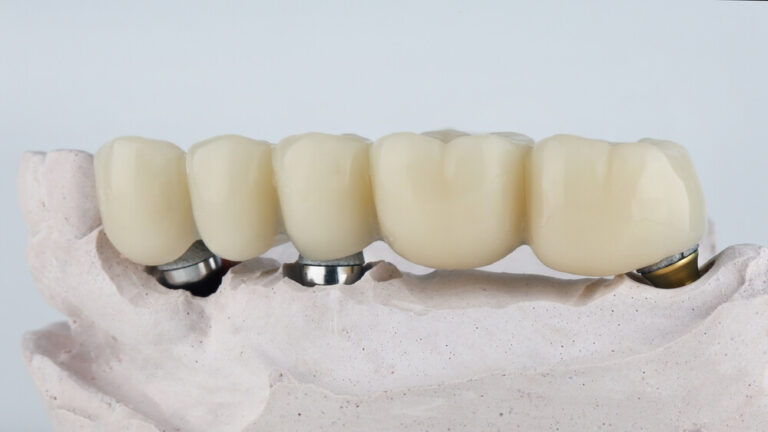
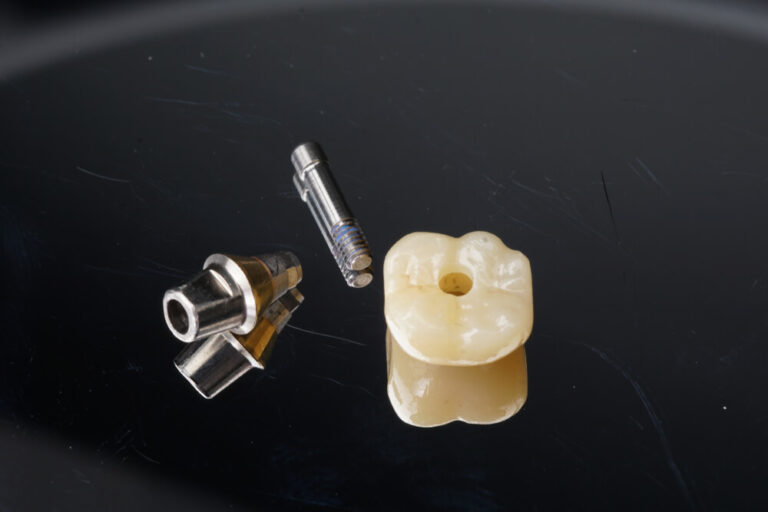
Certain dental treatments require specialized impressions tailored to the unique challenges of those procedures. Implant impressions are designed to capture the position and orientation of dental implants accurately. These often involve impression copings or scan bodies attached to the implant fixtures, which help transfer the exact location of the implant to the lab.
Orthodontic impressions focus on the overall dentition and bite to assist in planning tooth movement and creating aligners, retainers, or braces. These impressions must reflect the teeth’s position accurately, including spacing and crowding, to guide treatment effectively.
Denture impressions require capturing soft tissue details and the functional movements of the oral muscles to ensure comfort and retention. They often involve both preliminary and final impressions, with the final impression taken using materials that can record soft tissue dynamics, like border molding techniques.
Common Impression Materials and Their Characteristics
The choice of impression material depends on the clinical situation, required accuracy, and patient considerations. Below are some common materials used in dental impressions:
- Alginate: Cost-effective, easy to mix, good for preliminary impressions but less stable over time
- Polyvinyl Siloxane (PVS): Highly accurate, stable, excellent for final impressions
- Polyether: Very accurate and stable, more rigid, good for detailed impressions
- Silicone-based materials: Versatile, good flow, often used in final impressions
- Wax: Used primarily for bite registrations
Each material has unique properties regarding working time, setting time, viscosity, and elasticity, which influence the choice depending on the clinical need.
Conclusion
Understanding the different types of dental impressions and their applications is fundamental to appreciating the complexity behind restorative and orthodontic dental work. From traditional physical materials like alginate and polyvinyl siloxane to cutting-edge digital scanning, each type serves a specific purpose in diagnosis, treatment planning, and fabrication of dental appliances. For residents and practitioners in Phoenix, Arizona, and Warren, Michigan, recognizing these distinctions enhances communication and treatment outcomes, contributing to higher patient satisfaction and clinical success.
Resources
Heintze, S. D., & Rousson, V. (2012). Survival of zirconia- and metal-supported fixed dental prostheses: a systematic review. Dental Materials.
Patel, M., & Tredwin, C. (2010). The effect of impression material viscosity on the accuracy of multiple-unit implant impressions. Journal of Prosthetic Dentistry.
Zimmermann, M., Mehl, A., & Mörmann, W. H. (2015). Intraoral scanning systems – a current overview. International Journal of Computerized Dentistry.