Dental restorations are no longer just about repairing damage—they are about enhancing function, improving esthetics, and optimizing long-term outcomes through the integration of advanced materials and technologies. As the industry evolves in 2025, Catalis Dental Lab Partners is at the forefront of this innovation, connecting dentists in Phoenix, Arizona, and Warren, Michigan with laboratories that specialize in the latest techniques and solutions in restorative dentistry.
These cutting-edge advancements enable dental professionals to meet rising patient expectations, improve case predictability, and stay competitive in increasingly saturated markets. Whether it’s through digital workflows, advanced biomaterials, or streamlined communication with lab partners, the future of dental restorations lies in seamless, tech-driven collaboration. Catalis plays a key role in delivering that future, one restoration at a time.
The Shift to Full-Digital Workflows
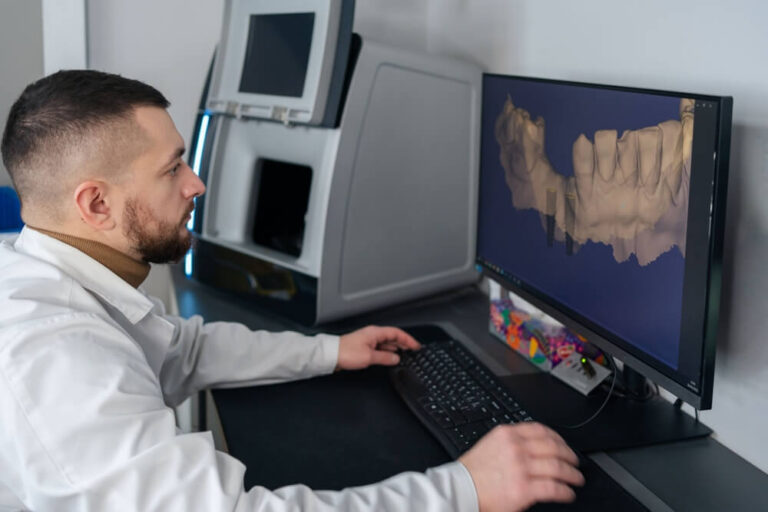
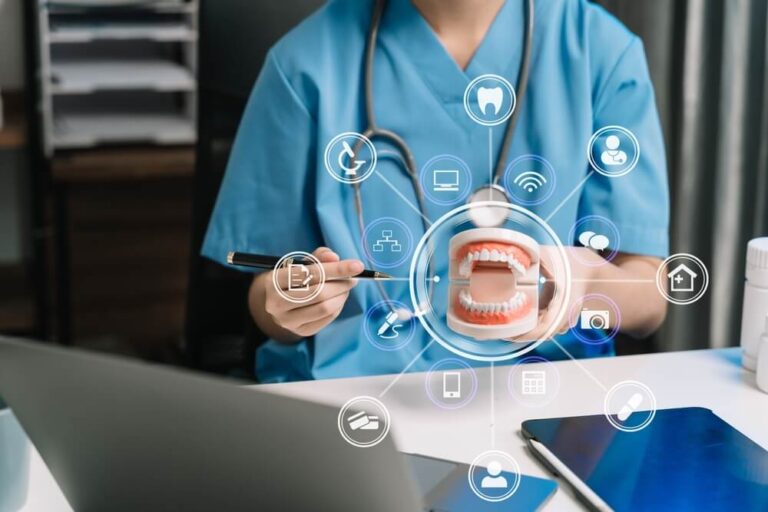
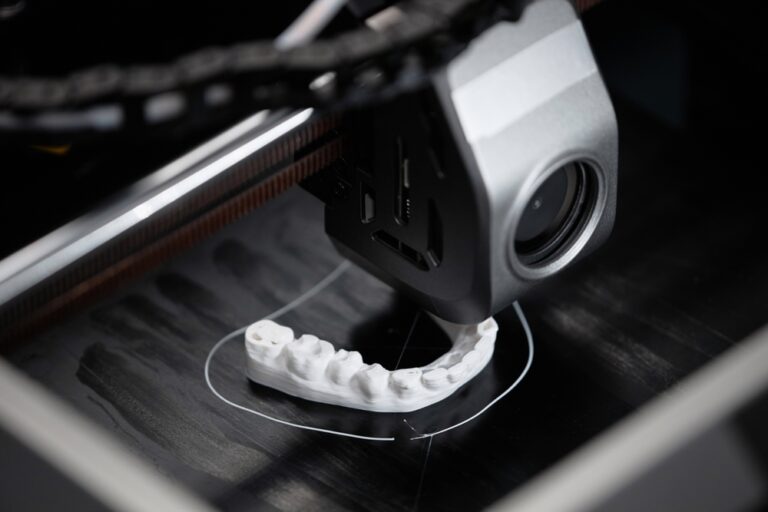
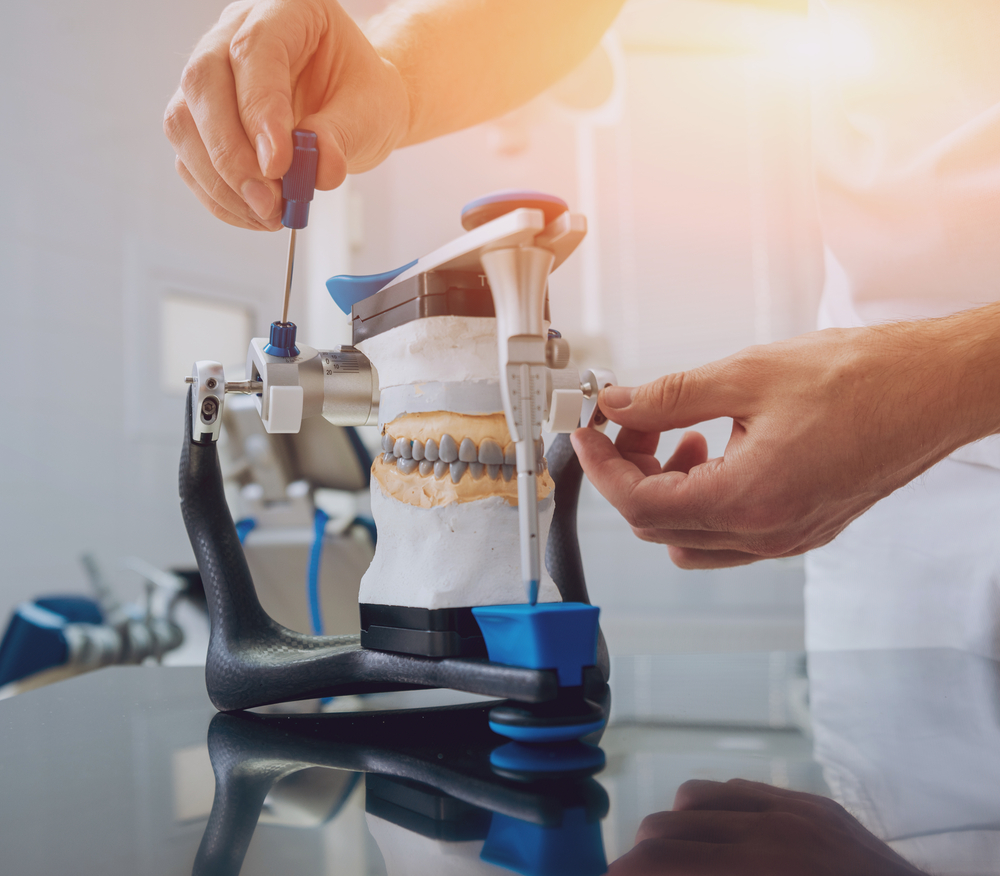
Digital dentistry has transformed how dental professionals approach restorative care. Full-digital workflows—from intraoral scanning to CAD/CAM design and 3D printing—are quickly replacing traditional methods that rely on physical impressions and manual modeling. The shift is driven by the growing demand for speed, accuracy, and patient comfort.
At Catalis Dental Lab Partners, our affiliated labs are fully equipped to support practices that want to transition to digital systems. In Phoenix and Warren, where competition is high, leveraging digital workflows allows clinicians to provide faster turnaround times, fewer remakes, and superior patient experiences. By integrating seamlessly with modern dental software, our labs reduce communication errors and accelerate case production. These workflows are no longer considered cutting-edge—they are rapidly becoming the new standard of care.
The Rise of Zirconia and Advanced Ceramics
In restorative dentistry, material selection is critical for both esthetics and durability. One of the most notable trends in 2025 is the widespread adoption of monolithic zirconia and hybrid ceramics. These materials offer high strength, lifelike translucency, and biocompatibility, making them ideal for everything from single-unit crowns to full-arch bridges.
Catalis Dental Lab Partners prioritizes these materials across our network of top-tier labs, ensuring that clinicians have access to restorations that meet the functional and visual demands of modern patients. Zirconia restorations have become a preferred choice in Phoenix and Warren due to their long-term wear resistance and versatility in both posterior and anterior applications. With new formulations enhancing translucency and shading, today’s zirconia can match the natural dentition in ways that were impossible just a few years ago.
Implant-Supported Restorations Are on the Rise
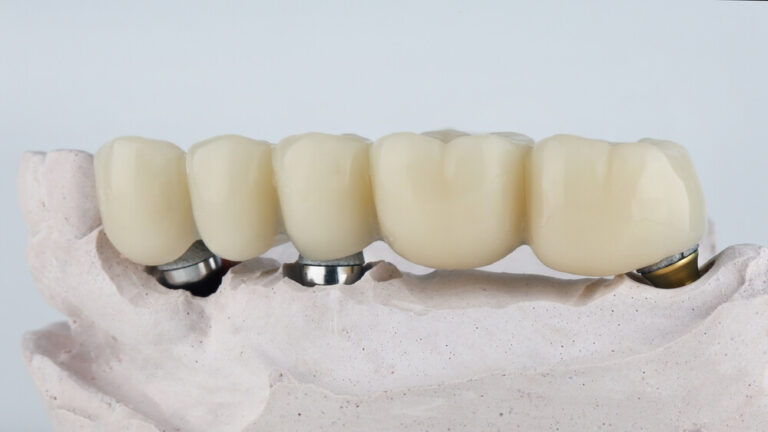
Implant dentistry continues to dominate restorative trends, especially in markets like Arizona and Michigan where aging populations and edentulous cases are more common. Full-arch, implant-supported restorations provide long-lasting, high-functioning solutions for patients, and they also offer dentists a high-value treatment option that enhances both clinical outcomes and practice revenue.
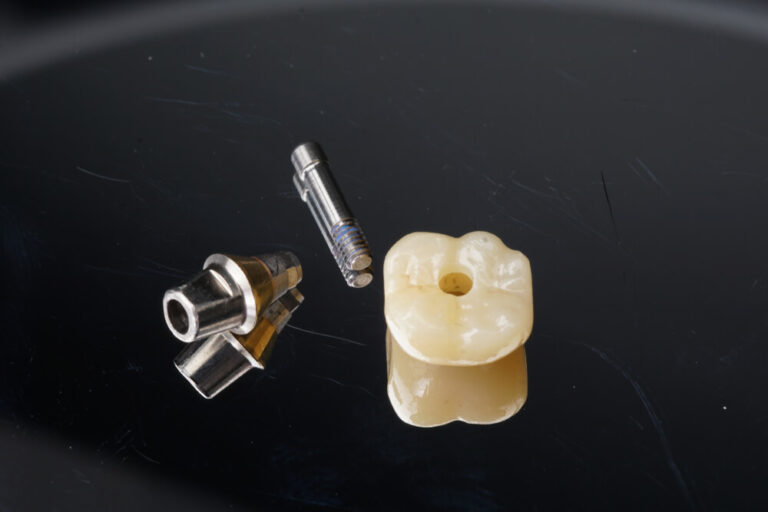
Catalis works closely with dental practices to streamline the implant workflow. Our lab partners are specialists in designing and fabricating hybrid dentures, screw-retained bridges, and custom abutments with digital precision. This expertise allows our dental partners to expand their services confidently, knowing that each case is backed by technical excellence and collaborative support. As patient awareness of implant solutions grows, demand for these advanced restorations is only expected to increase.
A Focus on Esthetics: Customization and Personalization
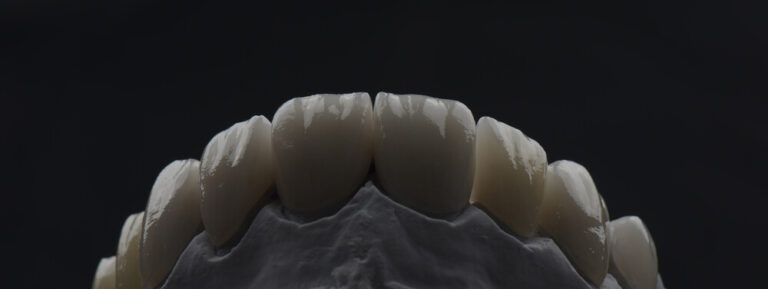
As patients become more informed and appearance-conscious, the demand for highly esthetic dental restorations continues to rise. Today’s restorations must not only function well but also blend seamlessly with adjacent teeth. In response, Catalis-affiliated labs are investing in personalized shade matching, digital photography tools, and multi-layered ceramic techniques that enhance the natural look of restorations.
This trend is particularly important in cosmetic cases and anterior restorations, where precision and visual harmony are paramount. Patients in cities like Phoenix, where cosmetic dentistry is in high demand, expect results that reflect their individuality and facial esthetics. Catalis supports this shift by offering clinicians advanced tools for custom shade selection, ensuring that every restoration enhances the patient’s smile with natural beauty and anatomical accuracy.
Minimally Invasive and Conservative Approaches
Another key trend in restorative dentistry is the emphasis on conserving natural tooth structure whenever possible. Advancements in adhesive dentistry, coupled with stronger and more versatile materials, have enabled minimally invasive restorations that preserve healthy enamel and dentin.
Catalis labs stay on top of this movement by offering solutions that work within the parameters of conservative preparations. From thin ceramic veneers to onlays and inlays that fit with high precision, our partners help clinicians achieve restorative goals without aggressive tooth reduction. This approach not only improves long-term tooth vitality but also aligns with patient preferences for less invasive procedures and faster recovery times.
Artificial Intelligence and Predictive Planning
Artificial intelligence (AI) is making waves in dental diagnostics and treatment planning, and it’s beginning to influence restorative dentistry as well. AI-powered tools can assist in designing restorations, identifying ideal prep margins, and optimizing occlusion—all with the goal of improving outcomes and reducing manual adjustments.
Catalis is committed to embracing AI tools that streamline collaboration between dentist and lab. While human craftsmanship remains irreplaceable, AI integration allows for more consistent designs, improved efficiency, and early detection of potential case complications. For busy practices in Warren and Phoenix, this can translate to shorter appointment times, more predictable outcomes, and greater overall productivity.
The Integration of Digital Smile Design (DSD)
Digital Smile Design is a technology-driven approach that enables dentists to plan esthetic restorations based on a patient’s unique facial structure, smile line, and lip dynamics. With DSD, dentists can show patients a visual simulation of the expected outcome before treatment even begins, building trust and increasing treatment acceptance.
Catalis supports DSD-compatible workflows through our lab partners, who are skilled in translating digital mock-ups into physical restorations that match the proposed designs with high accuracy. This visual planning approach is especially useful for full-mouth reconstructions and cosmetic makeovers. In image-conscious regions like Phoenix, it’s a game-changer for practices looking to set themselves apart from competitors.
A Future Built on Collaboration
The trends shaping dental restorations in 2025 all point toward one core principle: collaboration. Whether it’s between dentist and lab, clinician and patient, or technology and artistry, restorative success today is about working together to deliver optimal outcomes. Catalis Dental Lab Partners plays a vital role in this ecosystem by fostering strong, responsive relationships between dental professionals and expert lab technicians.
We understand that dentists in Phoenix and Warren need more than just a restoration—they need a dependable partner who is aligned with their clinical goals and business vision. Our commitment to providing high-quality, customized, and technologically advanced restorations ensures that our partners are equipped to lead in their local markets and elevate patient satisfaction at every step.
Resources
- Güth, J. F., Edelhoff, D., Schweiger, J., Keul, C. (2012). CAD/CAM and 3D printing for dental restorations: The digital revolution. Journal of Dental Research, 91(9), 813–820.
- Zhang, Y., & Lawn, B. R. (2018). Rocking resilience of all-ceramic crowns. Dental Materials, 34(2), 239–246.
- Mangano, F. G., et al. (2020). Digital workflow in restorative dentistry: Clinical results with monolithic zirconia restorations. Journal of Prosthodontic Research, 64(1), 41–46.