Partial dentures are a common solution for individuals who have lost one or more teeth but still retain some natural teeth. They serve as a functional an d aesthetic replacement, helping to restore chewing ability, speech, and overall oral health. At Catalis Dental Lab Partners, with locations in Phoenix, Arizona, and Warren, Michigan, it is important to understand the various types of dental partial dentures and their unique characteristics. Each type offers different advantages depending on patient needs, oral anatomy, and lifestyle preferences. Learning about these options provides both dental professionals and patients with a clear understanding of potential restorative choices.
Dental partial dentures are designed to fill gaps in the dental arch while maintaining the integrity of existing teeth. They are typically removable and can be customized for comfort, fit, and appearance. The materials and design of these restorations have evolved significantly, allowing for improved strength, natural aesthetics, and ease of use. Understanding the distinctions between different types of partial dentures can help guide informed decisions about oral restoration strategies.
Traditional Cast Metal Partial Dentures
One of the most widely used types of partial dentures is the traditional cast metal partial denture. These dentures are constructed using a metal framework, usually cobalt-chromium, which provides strength and stability. The framework supports artificial teeth made from acrylic or porcelain and uses metal clasps to attach to existing natural teeth. The metal structure is designed for durability and precise fit, allowing for secure placement within the mouth.
Traditional cast metal partial dentures are highly effective for patients requiring a long-lasting and robust restoration. The metal framework distributes chewing forces evenly across the mouth, which helps prevent excessive pressure on individual teeth. Although the metal clasps may be visible in some cases, advances in design allow for more discreet placement and improved aesthetics. For patients in Phoenix, Arizona, and Warren, Michigan, this type of partial denture offers a reliable and functional solution for replacing multiple missing teeth.
Flexible Partial Dentures
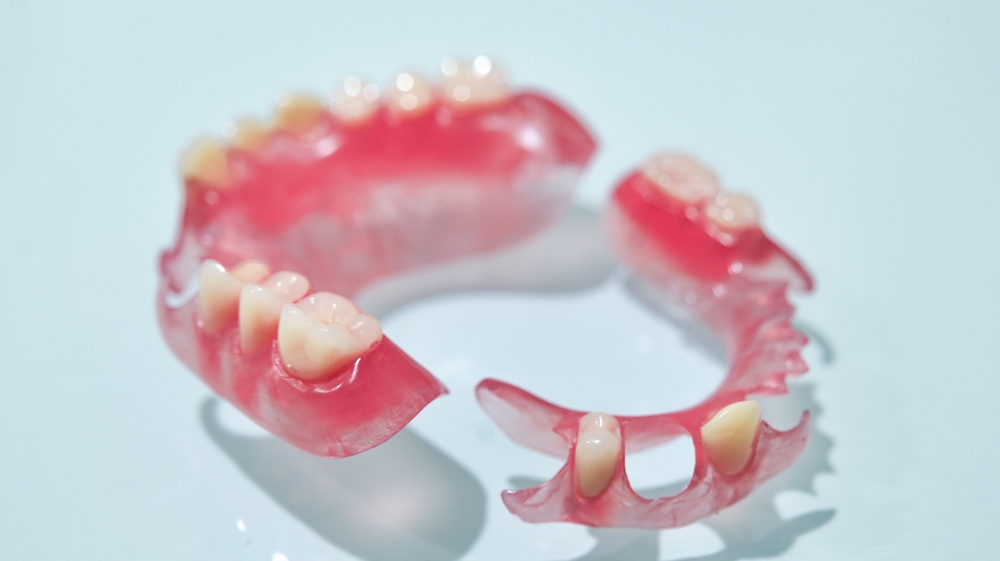
Flexible partial dentures are an alternative to traditional metal-based designs, made from thermoplastic materials such as nylon. These dentures are lightweight, comfortable, and less noticeable, as they often blend with the natural gum tissue. The flexibility of the material allows the denture to adapt closely to the shape of the mouth, reducing the likelihood of discomfort or irritation.
Flexible partial dentures are particularly beneficial for patients seeking a more aesthetically appealing and non-invasive option. They do not require metal clasps, which enhances their visual appeal and can increase patient confidence. Additionally, the flexibility of the material can make insertion and removal easier, providing added convenience for daily use. This type of partial denture is suitable for patients who prioritize comfort and cosmetic considerations while still maintaining functional performance.
Acrylic Partial Dentures
Acrylic partial dentures, also known as transitional or temporary partials, are primarily made from acrylic resin. They are often used as an interim solution while waiting for more permanent restorative options. These dentures are generally less expensive and easier to adjust, making them a practical choice for short-term use. They can be designed with either metal clasps or flexible components, depending on the patient’s preference and oral requirements.
Acrylic partial dentures provide a functional and aesthetic solution for patients who need immediate tooth replacement. They are easy to repair and modify, which makes them suitable for changing dental conditions or for patients who are undergoing additional restorative procedures. While they may not be as durable as cast metal or flexible partials, their accessibility and adaptability make them an important option in partial denture planning.
Key Benefits of Partial Dentures
- Restore chewing and speaking function
- Prevent shifting of remaining natural teeth
- Improve smile aesthetics
- Provide a removable and customizable option
Conclusion
Understanding the different types of dental partial dentures helps patients and dental professionals make informed decisions about oral restoration. Traditional cast metal, flexible, and acrylic partial dentures each offer unique advantages in terms of durability, comfort, aesthetics, and adaptability. At Catalis Dental Lab Partners, serving Phoenix, Arizona, and Warren, Michigan, having a clear knowledge of these options highlights the role of partial dentures in improving oral health and overall quality of life.
Resources:
Wheeler, R. (2010). Dental Anatomy, Physiology, and Occlusion. Saunders.
Zarb, G. A., & Schmitt, A. (1993). Prosthodontic Treatment for Edentulous Patients. Mosby.
Fenlon, M. R., & Sherriff, M. (2008). Denture materials: An overview of clinical performance. Journal of Dentistry.