Dental restorations have evolved dramatically in recent years, providing patients and dental professionals with materials that combine strength, durability, and aesthetics. Among these, monolithic zirconia restorations have emerged as a prominent solution for a variety of dental applications. At Catalis Dental Lab Partners, with locations in Phoenix, Arizona, and Warren, Michigan, understanding the advantages of these restorations is essential for both educational and clinical purposes. Monolithic zirconia is a single, solid structure rather than layered, offering unique benefits that are increasingly recognized in modern dentistry.
Monolithic zirconia is known for its exceptional physical properties, which contribute to its popularity in restorative dentistry. Unlike layered materials, monolithic zirconia does not have weak points between layers, making it less prone to chipping or fracturing. Its high flexural strength and fracture toughness allow it to withstand significant biting and chewing forces, which is particularly beneficial for patients with heavy occlusion or bruxism. For dental professionals, this translates into a predictable material that can perform reliably over time.
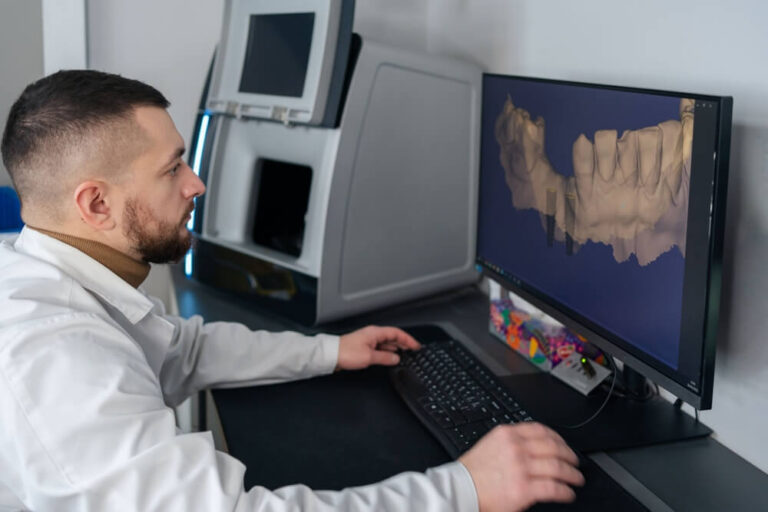
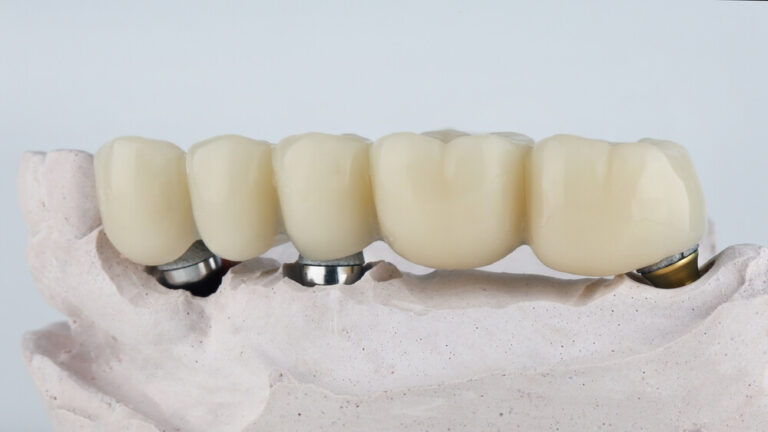
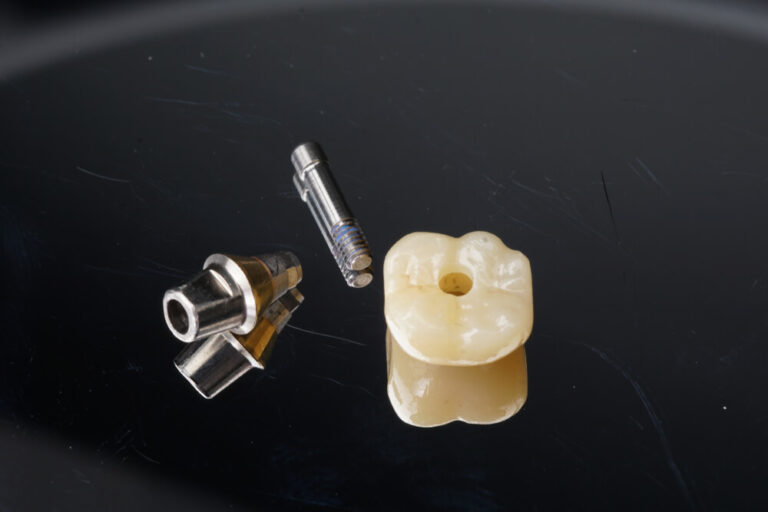
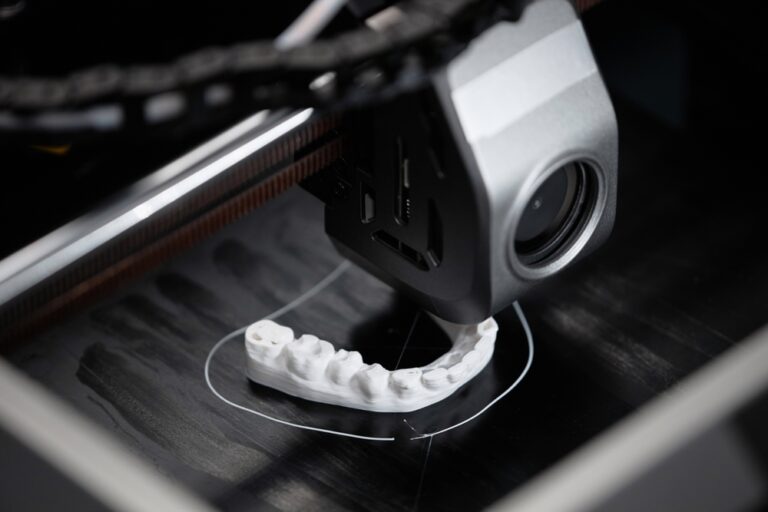
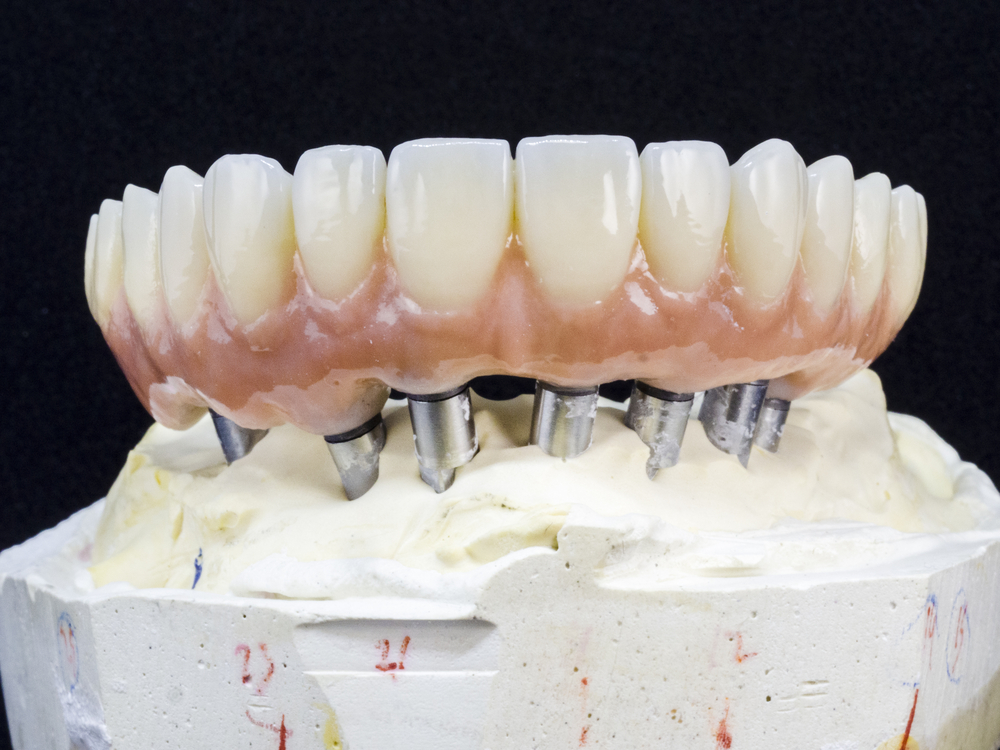
Another key feature is the material’s versatility. Monolithic zirconia can be used for crowns, bridges, implant restorations, and even full-arch prostheses. Its capacity to be precisely milled using CAD/CAM technology allows for highly accurate fits, reducing chairside adjustments and enhancing patient comfort. For both practitioners and patients in Phoenix, Arizona, and Warren, Michigan, this combination of strength, adaptability, and precision positions monolithic zirconia as a leading choice in restorative dental materials.
Exceptional Durability and Longevity
The durability of monolithic zirconia restorations is one of their most notable advantages. The material is resistant to wear, cracking, and fracture, making it ideal for long-term restorative solutions. Unlike traditional porcelain-fused-to-metal restorations, which can chip or crack over time, monolithic zirconia maintains structural integrity even under substantial occlusal stress. This durability ensures that restorations can last many years with minimal maintenance, which is an important consideration for both patients and dental practitioners.
In addition to mechanical strength, monolithic zirconia demonstrates resistance to surface wear from opposing dentition. This characteristic helps preserve natural teeth while maintaining restoration function. The ability to resist chipping and wear is particularly valuable for patients who experience bruxism or other parafunctional habits, where other restorative materials may fail prematurely. The longevity of these restorations reduces the need for frequent replacements, contributing to overall patient satisfaction and reduced long-term costs.
Superior Aesthetic Options
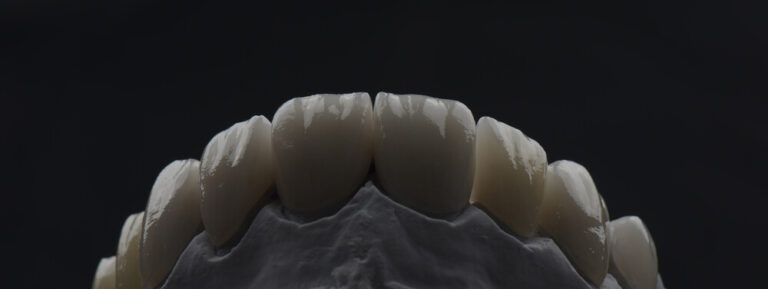
While strength is crucial, aesthetics play an equally important role in patient satisfaction. Advances in monolithic zirconia formulations now allow for highly translucent materials that mimic the natural appearance of enamel. These restorations can be color-matched precisely to surrounding dentition, providing a seamless and natural look. Unlike traditional zirconia, which was often opaque, modern monolithic zirconia balances translucency and strength, making it suitable for both anterior and posterior restorations.
The ability to customize shading, translucency, and surface texture allows dental professionals to create restorations that are virtually indistinguishable from natural teeth. This attention to detail improves patient confidence in their smile and reduces the need for additional cosmetic treatments. Additionally, monolithic zirconia is resistant to staining and discoloration over time, maintaining its aesthetic appeal even in demanding oral environments.
Simplified Maintenance and Biocompatibility
Maintaining oral hygiene is easier with monolithic zirconia restorations due to their smooth surfaces and resistance to plaque accumulation. Unlike some layered ceramics that may develop microfractures, the uniform structure of monolithic zirconia allows for simpler cleaning and reduced bacterial adherence. This makes it a practical choice for patients seeking both functionality and ease of maintenance.
Biocompatibility is another advantage of this material. Monolithic zirconia is generally well-tolerated by oral tissues, minimizing the risk of allergic reactions or sensitivity. Its non-metallic composition also avoids issues associated with metal-based restorations, such as galvanic reactions or corrosion. For patients in Phoenix, Arizona, and Warren, Michigan, this combination of low maintenance and biocompatibility reinforces the appeal of monolithic zirconia as a long-term restorative solution.
Key Benefits at a Glance
- Exceptional strength and fracture resistance
- Long-lasting durability
- Highly aesthetic and customizable appearance
- Simplified oral hygiene maintenance
- Biocompatible and non-reactive
Conclusion
Monolithic zirconia restorations offer a remarkable combination of strength, aesthetics, and longevity that make them an ideal option in modern dentistry. By providing durability, customization, and biocompatibility, these restorations meet the functional and cosmetic needs of patients while offering practical benefits to dental professionals. At Catalis Dental Lab Partners, serving Phoenix, Arizona, and Warren, Michigan, understanding these advantages highlights the growing importance of monolithic zirconia in contemporary restorative practices and underscores its role in enhancing patient outcomes.
Resources:
McLaren, E. A., & Garber, D. A. (2016). Contemporary zirconia: Strength, esthetics, and versatility. Journal of Cosmetic Dentistry.
Denry, I., & Kelly, J. R. (2008). State of the art of zirconia for dental applications. Dental Materials.
Piconi, C., & Maccauro, G. (1999). Zirconia as a ceramic biomaterial. Biomaterials.