Guided implant surgery has transformed the field of restorative dentistry, enabling clinicians to place dental implants with unprecedented precision. At the heart of this technological advancement are dental labs, which provide the essential planning, design, and fabrication support required to achieve predictable outcomes. For practices in cities like Phoenix, Arizona, and Warren, Michigan, dental labs such as Catalis Dental Lab Partners play a key role in bridging the gap between digital planning and successful clinical execution. By leveraging advanced tools and deep expertise, dental labs help ensure that implants are not only functional but also aesthetically aligned with a patient’s natural dentition.
Dental labs serve as an essential partner in the pre-surgical phase, transforming a dentist’s vision into actionable surgical plans. They interpret digital scans, convert them into 3D models, and fabricate surgical guides that help clinicians place implants at precise angulations and depths. These processes reduce intraoperative errors, minimize the risk of complications, and contribute to faster healing times. For both patients and dental teams, this integration of digital dentistry and laboratory expertise improves overall satisfaction and outcomes.
Understanding the Surgical Guide Workflow
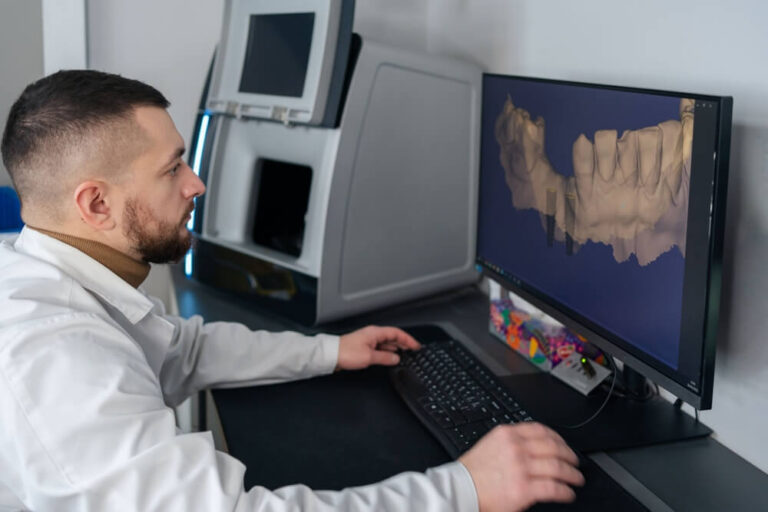
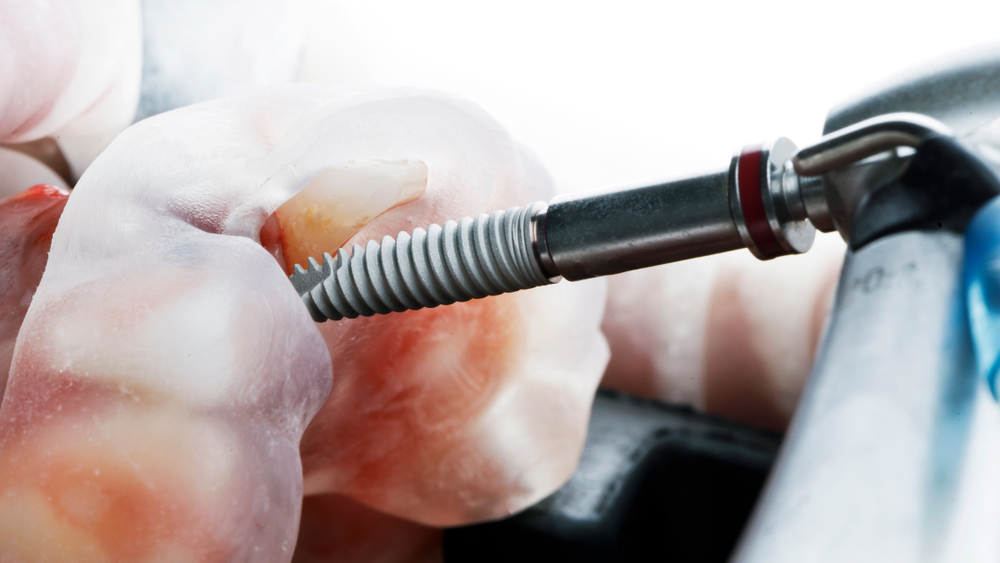
One of the core responsibilities of dental labs in guided implant surgery is the creation of accurate surgical guides. These guides are templates that direct the dentist during implant placement, ensuring that each implant is positioned exactly as planned. The process begins with obtaining intraoral scans or CBCT imaging, which captures the patient’s oral anatomy in three dimensions. The lab then utilizes specialized software to plan the ideal implant position, taking into account bone density, angulation, and surrounding anatomical structures.
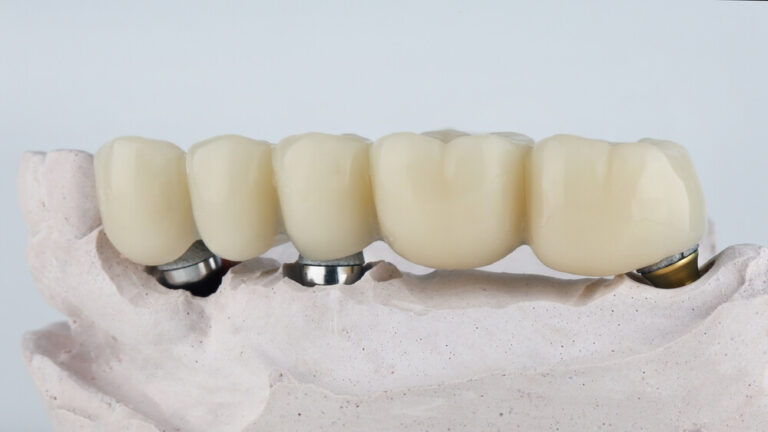
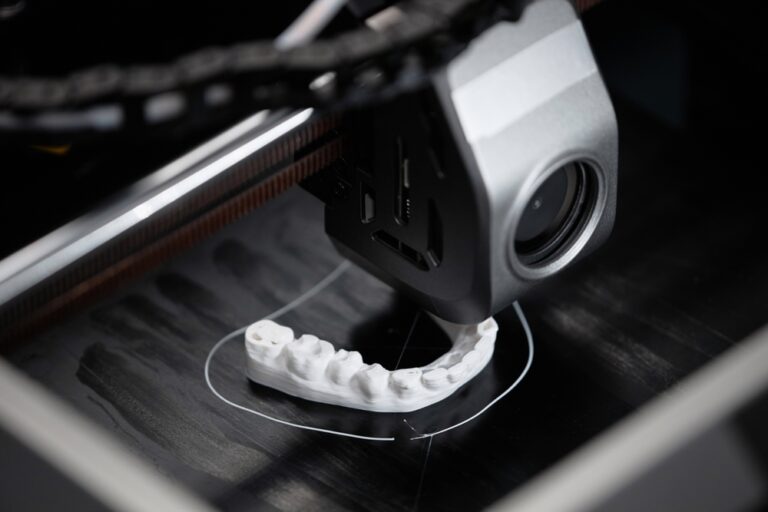
Once the plan is finalized, the dental lab fabricates the surgical guide using 3D printing technology or milling methods. This step requires precise calibration and attention to detail, as even slight deviations can impact the success of the implant. Dental labs also collaborate with clinicians to make adjustments based on specific case requirements, ensuring that each guide is tailored to the patient’s unique anatomy. The resulting surgical guide serves as a blueprint, enabling the dentist to perform implant placement with high precision and confidence.
The Impact of Digital Integration in Labs
Digital technology has revolutionized the role of dental labs in guided implant surgery. Traditional impressions and manual modeling have largely been replaced with digital scans, CAD/CAM design software, and additive manufacturing techniques. By integrating these technologies, dental labs are able to create highly accurate models and guides that align seamlessly with clinical planning. This digital workflow reduces human error, accelerates turnaround times, and allows for predictable treatment outcomes across a wide range of implant cases.
Additionally, dental labs can simulate different scenarios during the planning phase, providing valuable insights into potential challenges or anatomical limitations. This proactive approach helps dental teams anticipate issues before surgery, reducing the need for adjustments during the procedure. By embracing digital integration, dental labs not only improve surgical accuracy but also enhance collaboration between the laboratory and the clinician, creating a more efficient and effective workflow.
Collaborative Benefits for Clinicians and Patients
The collaboration between dental labs and clinicians extends beyond guide fabrication. By providing detailed pre-surgical analysis, dental labs contribute to a smoother surgical experience and improved patient outcomes. Surgeons benefit from precise, actionable data that informs decision-making, while patients experience reduced chair time, less invasive procedures, and predictable healing results.
Dental labs also offer quality control and verification, ensuring that each surgical guide meets stringent standards before it reaches the dental office. This meticulous attention to detail reduces the risk of complications, increases patient safety, and supports the overall success of guided implant surgery. For clinicians in Phoenix and Warren, this partnership enhances both the technical and aesthetic aspects of implant treatment, demonstrating the critical role of dental laboratories in modern dentistry.
Conclusion: The Indispensable Role of Dental Labs
Dental labs such as Catalis Dental Lab Partners in Phoenix, Arizona, and Warren, Michigan, are integral to the success of guided implant surgery. Through advanced planning, precise guide fabrication, and digital innovation, they help bridge the gap between clinical vision and surgical execution. The collaboration between dental labs and clinicians ensures accurate implant placement, reduced risks, and improved outcomes for patients, solidifying the lab’s role as an indispensable partner in modern dental care.
Resources:
- Misch, C. E. (2014). Dental Implant Prosthetics. Elsevier Health Sciences.
- van Steenberghe, D., et al. (2002). The Role of Guided Surgery in Implant Dentistry. Clinical Oral Implants Research.
- Fortin, T., Bosson, J., & Isidori, M. (2006). Guided Implant Surgery: Accuracy and Clinical Considerations. Journal of Prosthetic Dentistry.