Temporomandibular disorders, often referred to as TMD or TMJ disorders, affect the joints and muscles responsible for jaw movement. These conditions can lead to symptoms such as jaw pain, headaches, clicking or popping sounds, and difficulty chewing. For many patients, TMD can significantly impact daily life, making even simple activities like speaking or eating uncomfortable.
In regions like Phoenix, Arizona, and Warren, Michigan, patients seeking relief from TMJ-related symptoms often rely on a combination of clinical care and custom dental solutions. This is where dental laboratories play a crucial role. While dentists diagnose and develop treatment plans, dental labs are responsible for fabricating the specialized appliances that help alleviate symptoms and restore proper jaw function.
The Role of Dental Labs in Custom TMJ Appliance Fabrication
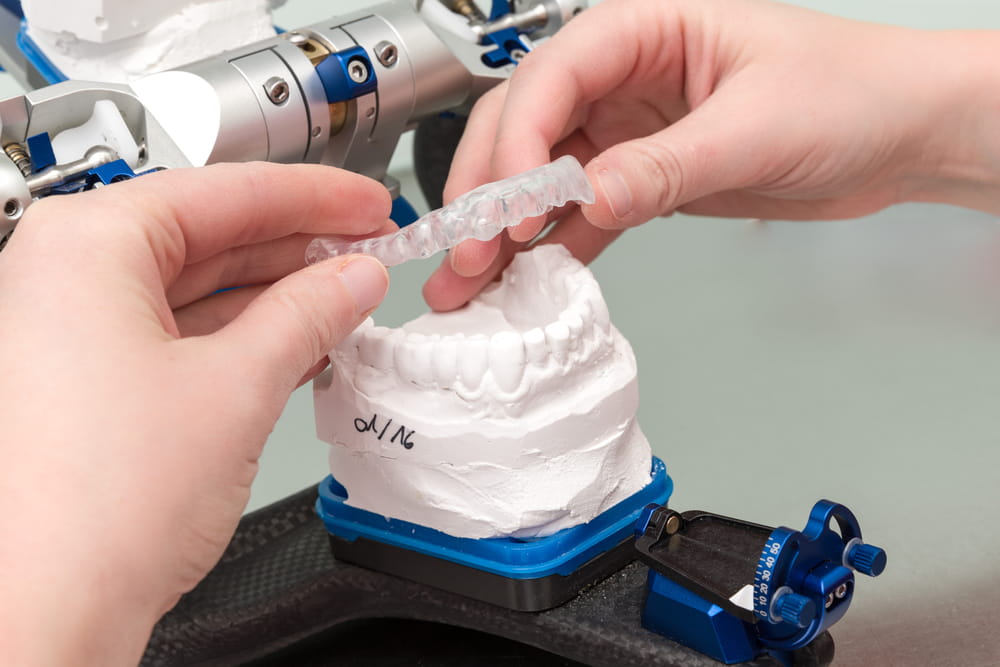
One of the primary ways dental labs contribute to TMD treatment is through the creation of custom oral appliances. These devices, often referred to as night guards, splints, or occlusal guards, are designed to reduce strain on the temporomandibular joint and surrounding muscles. Unlike over-the-counter options, lab-fabricated appliances are tailored to the patient’s exact bite and jaw alignment.
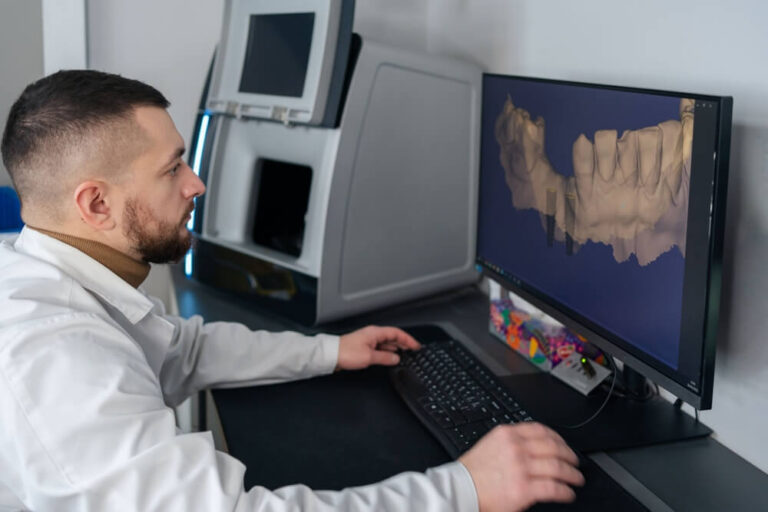
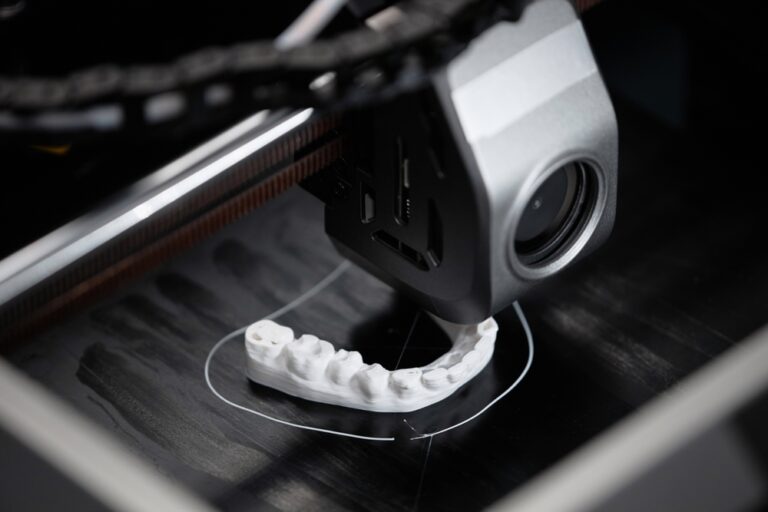
Using advanced workflows such as those highlighted in Our Technology, dental labs can design appliances with a high level of precision. Digital impressions and CAD/CAM systems allow technicians to create appliances that fit comfortably while maintaining proper occlusion. This level of customization helps reduce symptoms like teeth grinding (bruxism) and jaw tension, leading to more effective and long-lasting relief.
Material Selection and Durability in TMJ Appliances
The materials used in TMJ appliances are critical to their effectiveness and longevity. Dental labs carefully select materials that provide both durability and comfort, ensuring that the appliance can withstand nightly use while remaining comfortable for the patient. Common materials include high-grade acrylics and specialized polymers designed to absorb pressure and minimize wear on the teeth.
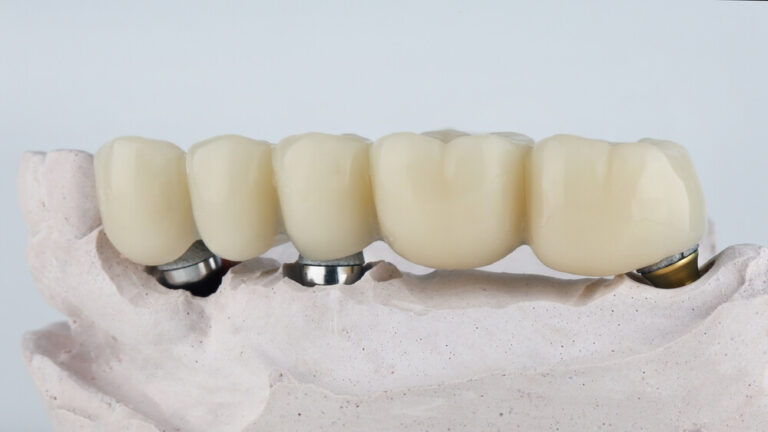
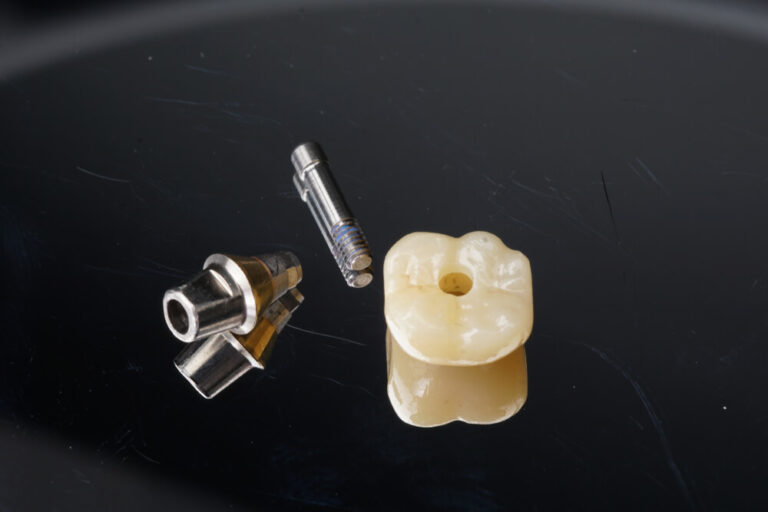
In cases where TMJ issues are linked to broader restorative needs, labs may also collaborate with services like Layered Crown & Bridge or All-Ceramic to address underlying bite problems. By improving the overall occlusion, these restorations can complement TMJ appliances and contribute to a more comprehensive treatment approach.
Key Contributions of Dental Labs in TMJ Treatment Success
Dental laboratories play a multifaceted role in supporting successful TMJ treatment outcomes:
- Fabrication of custom-fitted occlusal splints and night guards
- Precise adjustment of bite alignment through appliance design
- Use of durable, patient-friendly materials
- Integration of digital workflows for accuracy and consistency
- Collaboration with dentists for ongoing refinements
These contributions ensure that each appliance is tailored to the patient’s specific condition, improving comfort and effectiveness. The ability to fine-tune appliances based on patient feedback also plays a significant role in achieving long-term symptom relief.
Digital Innovation and the Future of TMJ Treatment
Advancements in digital dentistry have transformed the way TMJ appliances are designed and fabricated. Digital scanning eliminates the need for traditional impressions, making the process more comfortable for patients while improving accuracy. Once captured, these digital models can be used to design appliances with precise thickness, contour, and alignment.
Dental labs that offer services such as Digital Dentures demonstrate how digital workflows can enhance both efficiency and quality. Although digital dentures and TMJ appliances serve different purposes, the underlying technology is similar, allowing for consistent, high-quality results. As technology continues to evolve, dental labs will remain central to delivering innovative solutions for TMJ management.
Collaboration Between Dentists and Dental Labs
Effective TMJ treatment depends on strong communication between dentists and dental laboratories. Dentists provide detailed clinical information, including bite registrations, jaw positioning, and symptom descriptions. Dental technicians then use this information to design appliances that address the root causes of the disorder.
This collaborative approach is particularly important for complex cases where multiple factors contribute to TMJ dysfunction. For example, patients with missing teeth or misaligned bites may benefit from a combination of appliances and restorative work, such as Partials or other prosthetic solutions. By working together, dentists and labs can create a comprehensive treatment plan that improves both function and comfort.
Final Thoughts on the Role of Dental Labs in TMJ Care
For patients experiencing TMJ symptoms, understanding the role of dental laboratories can provide valuable insight into the treatment process. Catalis Dental Lab Partners highlights how precision, technology, and collaboration contribute to effective TMJ solutions in areas like Phoenix, Arizona, and Warren, Michigan.
As dental technology continues to advance, the role of dental labs in TMJ treatment will only grow. From custom appliance fabrication to digital innovation, these labs play an essential part in helping patients achieve relief from pain and improved jaw function, ultimately enhancing overall quality of life.
Resources
Okeson, J. P. (2019). Management of Temporomandibular Disorders and Occlusion. Elsevier.
Greene, C. S. (2010). The Etiology of Temporomandibular Disorders. Journal of Orofacial Pain.
de Leeuw, R., & Klasser, G. D. (2018). Orofacial Pain: Guidelines for Assessment, Diagnosis, and Management. Quintessence Publishing.