Overdentures are a modern solution designed to improve the stability, comfort, and function of traditional dentures by anchoring them to retained tooth roots or dental implants. Patients who struggle with loose or uncomfortable dentures often benefit from overdentures because they offer enhanced retention and better chewing efficiency. These prosthetics also help preserve jawbone structure, reducing long-term bone loss that can occur with conventional removable dentures.
The fabrication of overdentures is a highly detailed process that requires close collaboration between dentists and dental laboratories. For patients in areas like Phoenix, Arizona, and Warren, Michigan, understanding this process can help set realistic expectations about treatment timelines and outcomes. Dental labs play a critical role in translating clinical impressions and treatment plans into functional, aesthetically pleasing restorations that support long-term oral health.
Precision Engineering Behind Overdenture Fabrication
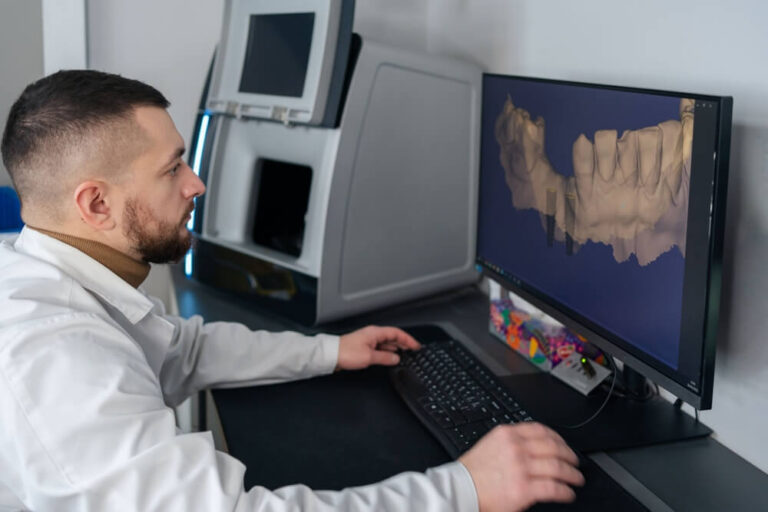
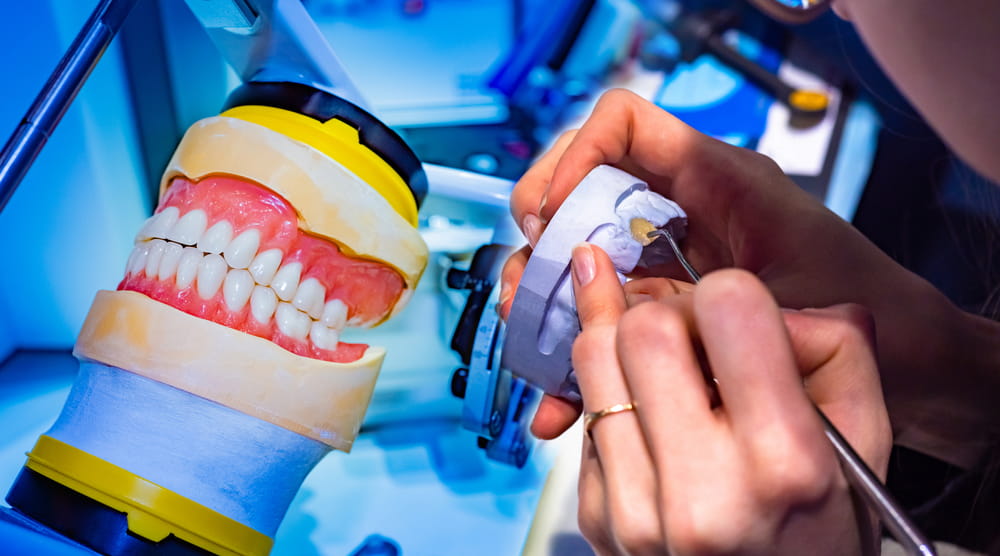
Dental laboratories are responsible for transforming raw clinical data into customized prosthetics that fit comfortably and function effectively. Using advanced tools such as CAD/CAM technology, labs can digitally design overdentures with remarkable precision. This ensures that each prosthesis aligns properly with implants or natural tooth structures, minimizing adjustments during placement.
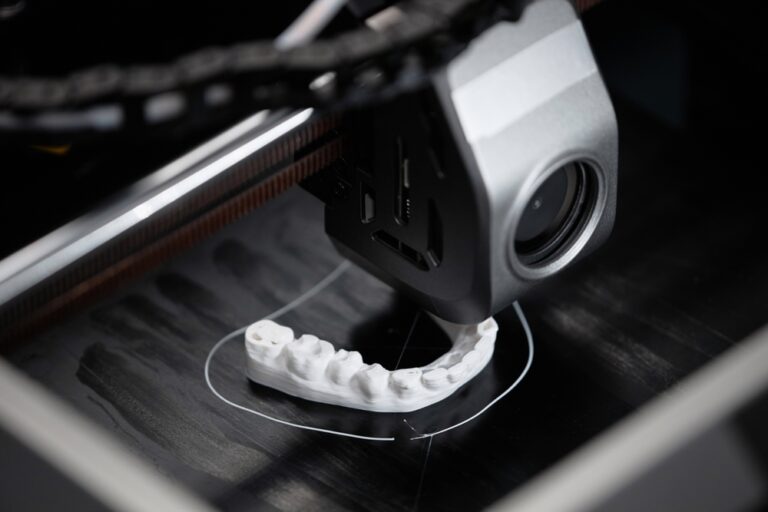
Modern labs often integrate digital workflows with services like Our Technology to streamline production and improve consistency. This includes digital impressions, 3D modeling, and milling or printing processes that enhance accuracy while reducing turnaround times. The result is a more predictable outcome for patients and clinicians alike, with overdentures that fit securely and require fewer modifications.
Material Selection and Structural Integrity
One of the most important roles of a dental lab is selecting and working with high-quality materials that ensure durability and aesthetics. Overdentures must withstand daily wear while maintaining a natural appearance, making material choice essential. Labs may incorporate acrylics, composite resins, or advanced ceramics depending on the patient’s needs and the type of overdenture being fabricated.
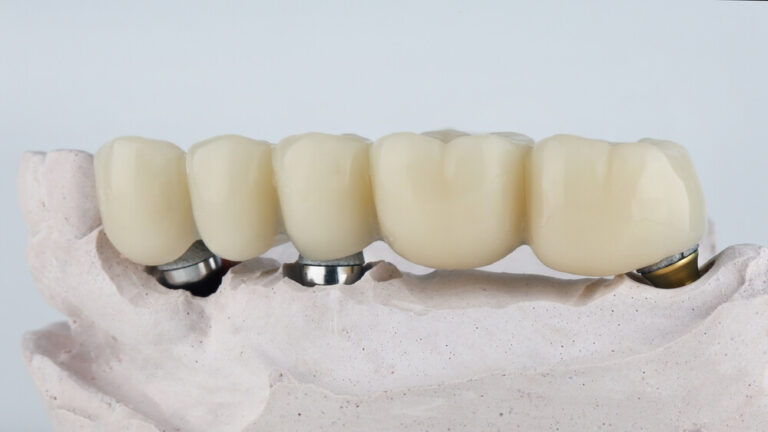
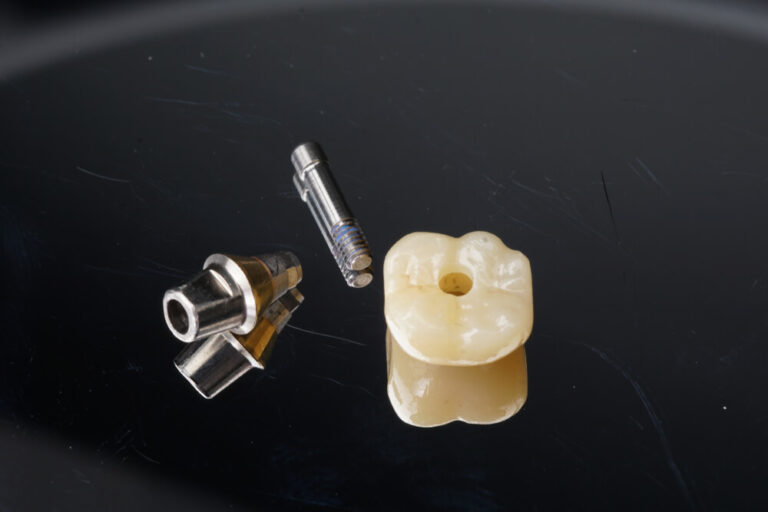
In many cases, overdentures are supported by implants, making collaboration with implant-focused services like Implants and Complex Implant Restorations essential. The lab must ensure that attachments, bars, or locator systems are precisely integrated into the denture design. This level of detail supports long-term functionality and reduces the risk of complications such as wear or misalignment.
Key Contributions of Dental Labs in Overdenture Success
Dental labs contribute to overdenture fabrication in several essential ways that directly impact patient outcomes:
- Custom design tailored to each patient’s anatomy
- Precise alignment with implants or retained roots
- Use of durable, biocompatible materials
- Integration of advanced digital workflows
- Collaboration with clinicians for adjustments and refinements
These contributions ensure that overdentures are not only functional but also comfortable and visually natural. By focusing on both technical accuracy and patient-centered design, dental labs help improve satisfaction and long-term success rates.
Advancements in Digital Dentures and Laboratory Innovation
The evolution of digital dentistry has significantly enhanced the way overdentures are fabricated. Digital workflows allow labs to create highly accurate prosthetics with fewer steps, reducing the potential for human error. Services like Digital Dentures represent a major advancement, offering improved fit, faster production, and easier reproduction if replacements are needed.
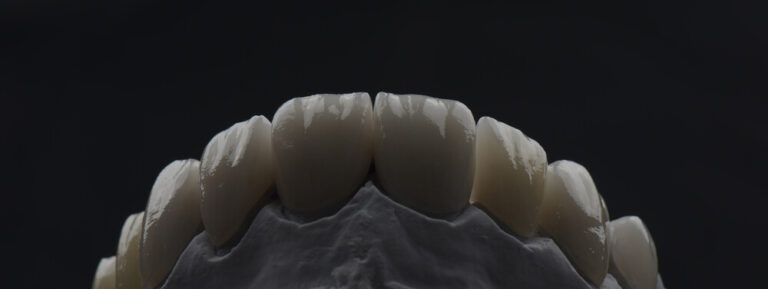
Additionally, labs can combine traditional craftsmanship with digital innovation through services such as Dentures and All-Ceramic. This hybrid approach allows for both precision and artistry, ensuring that overdentures meet both functional and aesthetic expectations. As technology continues to evolve, dental labs remain at the forefront of improving restorative outcomes for patients.
The Collaborative Relationship Between Dentists and Dental Labs
Successful overdenture fabrication depends on seamless communication between dentists and dental laboratories. Dentists provide clinical data, including impressions, bite registrations, and treatment goals, while labs interpret this information to create a customized prosthetic. This collaboration ensures that the final result aligns with both the patient’s needs and the clinician’s expectations.
In many cases, labs also provide feedback or recommendations during the fabrication process, helping refine the design for optimal performance. This partnership is especially important for complex cases involving implant-supported overdentures, where precision is critical. Patients ultimately benefit from this teamwork through improved comfort, function, and longevity of their prosthetics.
Final Thoughts on the Value of Dental Labs in Overdenture Care
For patients exploring overdenture options, understanding the role of dental laboratories can provide valuable insight into the level of precision and expertise involved. Catalis Dental Lab Partners exemplifies how advanced technology, material selection, and collaboration contribute to high-quality restorative solutions in regions like Phoenix, Arizona, and Warren, Michigan.
As dental technology continues to advance, the role of dental labs will only become more integral to successful treatment outcomes. From digital design to final fabrication, these labs ensure that overdentures are crafted with accuracy, durability, and patient comfort in mind, ultimately supporting better oral health and quality of life.
Resources
Zarb, G. A., & Bolender, C. L. (2004). Prosthodontic Treatment for Edentulous Patients. Mosby.
Feine, J. S., & Carlsson, G. E. (2003). Implant Overdentures: The Standard of Care for Edentulous Patients. Quintessence Publishing.
Goodacre, C. J., et al. (2012). Clinical Complications with Implants and Implant Prostheses. Journal of Prosthetic Dentistry.