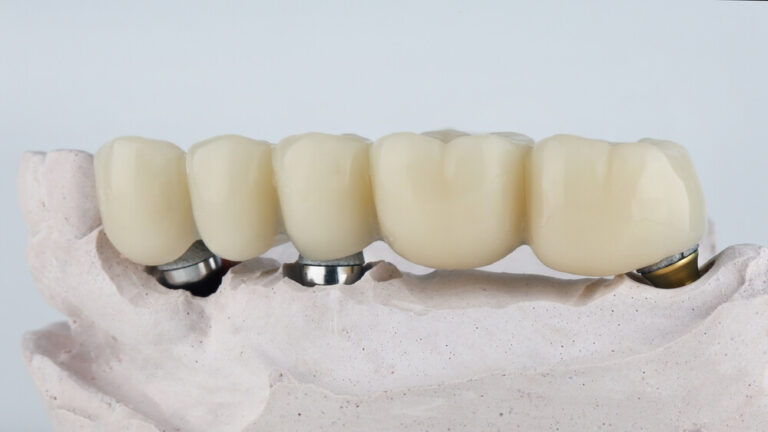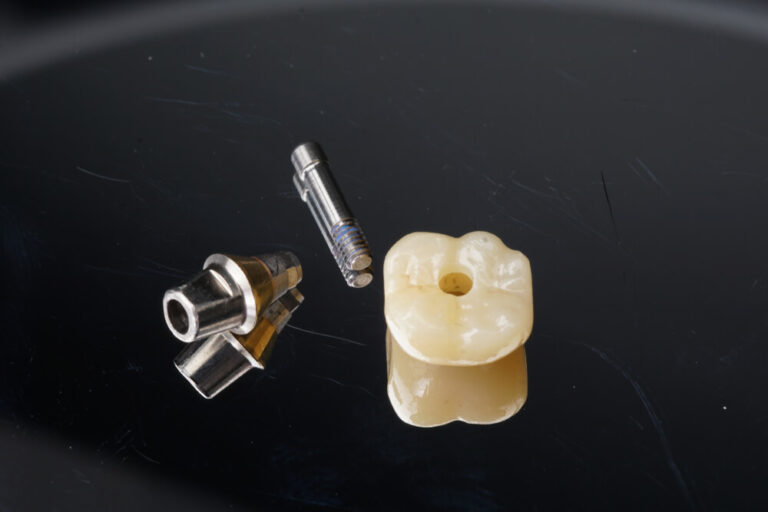
Customized implant abutments are patient-specific connectors placed between a dental implant and the final restoration, such as a crown or bridge. Unlike stock abutments, which come in pre-made shapes and sizes, customized abutments are designed to match the unique anatomy of each patient’s mouth. This tailored approach allows for a more precise fit, improved function, and enhanced aesthetics.
For patients in Phoenix, Arizona, and Warren, Michigan, understanding the role of customization in implant dentistry can help clarify why outcomes vary between treatments. Dental laboratories play a key role in this process by using digital workflows and advanced materials to fabricate abutments that align with the patient’s gum contours and bite dynamics. Catalis Dental Lab Partners highlights how modern lab techniques contribute to more predictable and patient-centered implant restorations.
Precision Fit and Improved Functionality
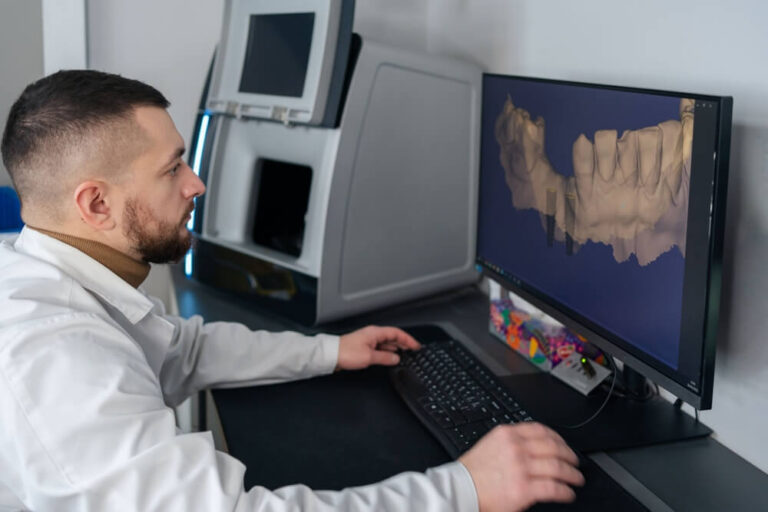
One of the primary advantages of customized implant abutments is their superior fit. Because they are designed based on digital impressions and 3D modeling, these abutments conform precisely to the implant position and surrounding tissue. This accuracy helps ensure that the final restoration sits securely and functions properly within the patient’s bite.
Dental labs utilize advanced systems such as those found in Our Technology to create highly accurate designs. By minimizing gaps and misalignment, customized abutments reduce the risk of complications such as loosening or uneven pressure distribution. This leads to improved chewing efficiency and overall comfort, which are critical factors in long-term implant success.
Enhanced Aesthetics and Natural Appearance
Aesthetics play a major role in implant dentistry, especially for restorations in visible areas of the mouth. Customized abutments are designed to support the final crown in a way that mimics the natural emergence profile of a tooth. This means the restoration appears to grow naturally from the gum line rather than sitting on top of it.
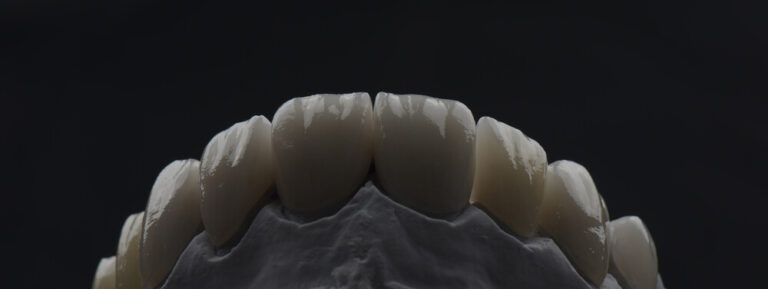
Dental labs often pair customized abutments with high-quality restorations such as All-Ceramic or Veneers to achieve optimal visual results. The ability to control contour, angle, and support allows technicians to create restorations that blend seamlessly with surrounding teeth. For patients, this translates to a more confident smile and a restoration that looks and feels natural.
Key Advantages of Customized Implant Abutments
Customized implant abutments offer several important benefits that contribute to successful outcomes:
- Improved fit tailored to individual anatomy
- Better support for natural-looking restorations
- Enhanced gum tissue health through proper contouring
- Reduced risk of mechanical complications
- Greater long-term stability and durability
These advantages highlight why customization has become a preferred approach in modern implant dentistry. By focusing on both function and aesthetics, dental labs help deliver restorations that meet high clinical and patient expectations.
Material Selection and Long-Term Durability
Dental laboratories carefully select materials for customized abutments to ensure strength, biocompatibility, and longevity. Common materials include titanium and zirconia, both of which offer excellent durability and resistance to wear. Titanium is often chosen for its strength and reliability, while zirconia is favored for its tooth-like color and aesthetic benefits.
In more complex cases, customized abutments may be integrated into broader treatment plans involving services like Implants or Complex Implant Restorations. The lab must ensure that each component works harmoniously to support the final prosthetic. This attention to detail helps reduce complications and supports long-term success.
Digital Workflows and Laboratory Innovation
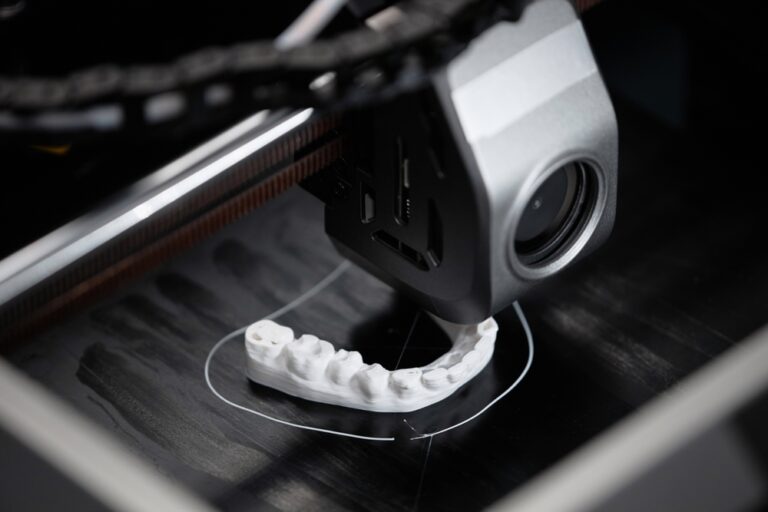
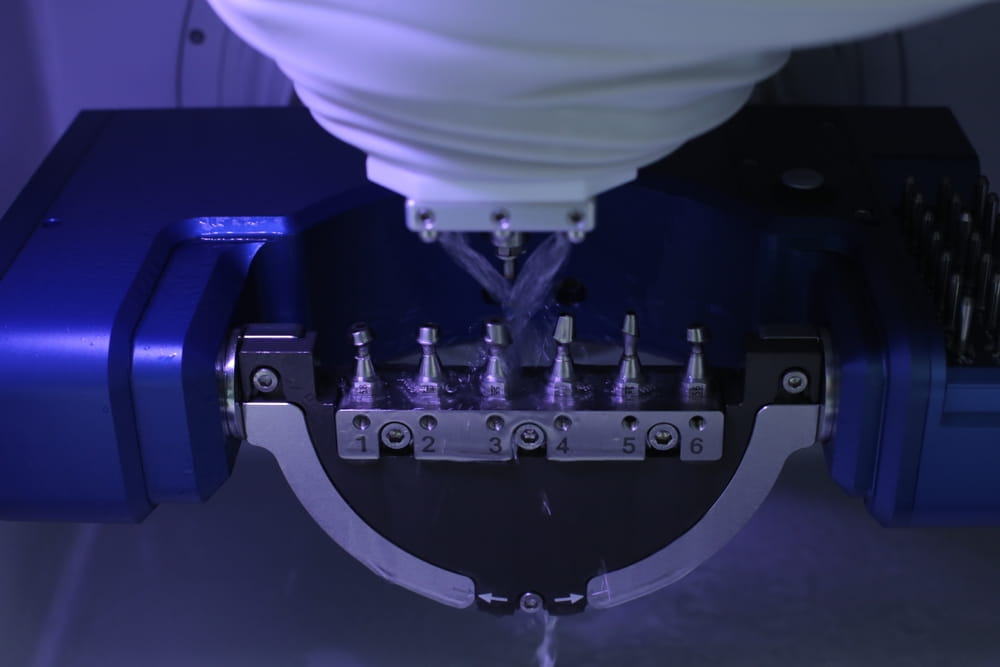
The rise of digital dentistry has significantly enhanced the fabrication of customized implant abutments. Digital impressions, CAD software, and milling technologies allow dental labs to produce highly accurate components with consistent quality. These advancements reduce turnaround times while improving precision.
Services such as Digital Dentures demonstrate how digital workflows can be applied across various restorative solutions. Although dentures and abutments serve different purposes, the same technology enables improved customization and efficiency. As innovation continues, dental labs remain central to advancing implant dentistry and improving patient outcomes.
Final Thoughts on Customized Implant Abutments
Customized implant abutments represent a significant advancement in dental restoration, offering improved fit, aesthetics, and durability compared to traditional options. Catalis Dental Lab Partners reflects how modern dental laboratories combine technology, materials, and expertise to support high-quality implant solutions in Phoenix, Arizona, and Warren, Michigan.
For patients considering dental implants, understanding the advantages of customization can provide valuable insight into the treatment process. With the support of skilled dental labs, customized abutments help ensure that restorations are not only functional but also natural-looking and long-lasting, contributing to better oral health and overall confidence.
Resources
Misch, C. E. (2014). Dental Implant Prosthetics. Elsevier.
Goodacre, C. J., et al. (2003). Clinical Complications with Implants and Implant Prostheses. Journal of Prosthetic Dentistry.
Sailer, I., et al. (2009). A Systematic Review of the Performance of Ceramic and Metal Implant Abutments. Clinical Oral Implants Research.