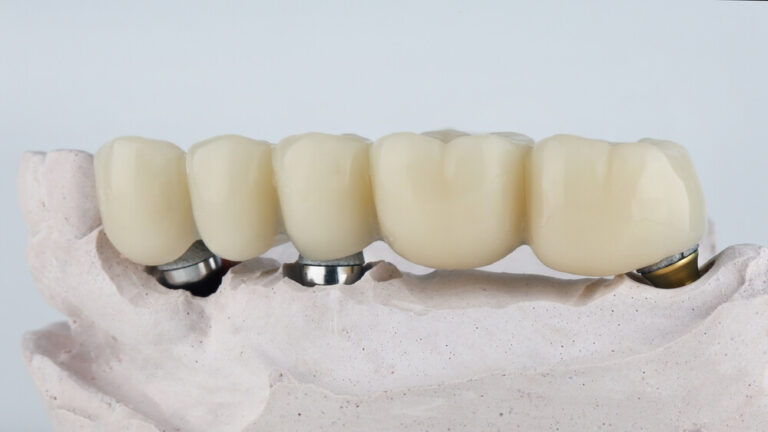
The All-on-4 treatment concept has become a widely accepted solution for patients who require full-arch tooth replacement. This approach uses four strategically placed dental implants to support a complete arch of prosthetic teeth, offering a fixed alternative to traditional removable dentures. Catalis Dental Lab Partners, serving Phoenix, Arizona, and Warren, Michigan, contributes to the precision and quality required for these advanced restorations.
What makes All-on-4 unique is its ability to maximize existing bone structure while minimizing the need for bone grafting. By angling posterior implants and optimizing placement, clinicians can achieve strong support with fewer implants. However, the success of this treatment does not rely solely on surgical placement; the design and fabrication of the prosthesis play a critical role in achieving long-term functionality and esthetics.
Digital Planning and Case Design Foundations
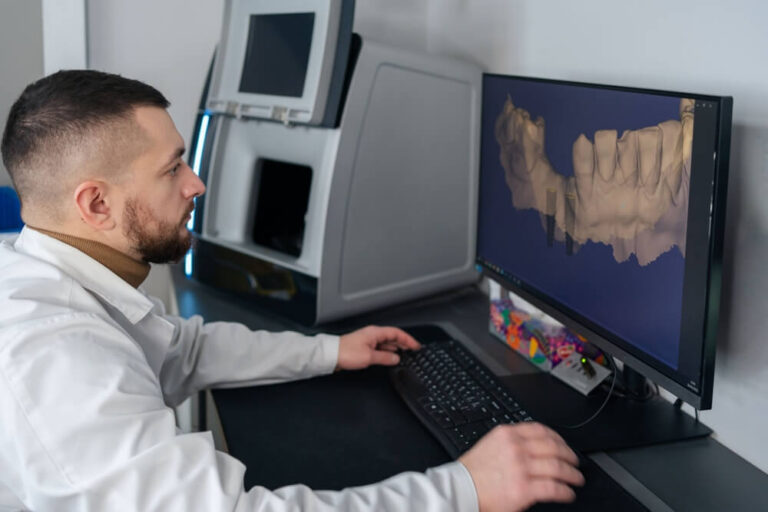
The production of All-on-4 prostheses begins with detailed digital planning, where imaging data such as CBCT scans and intraoral scans are used to map out implant positions and prosthetic design. This collaborative process ensures that the final restoration aligns with both anatomical considerations and patient-specific goals. Advanced workflows, such as those found in Our Technology, allow for precise planning that reduces guesswork and improves outcomes.
During this phase, the prosthetic design is developed with attention to occlusion, esthetics, and structural integrity. Factors such as bite force distribution, arch shape, and smile line are carefully evaluated. The integration of digital tools enables accurate simulations, allowing clinicians and lab technicians to visualize the final result before fabrication begins. This level of planning is essential for ensuring a seamless transition from surgical placement to prosthetic delivery.
Fabrication of the Prosthetic Framework
Once the design is finalized, the fabrication process begins with the creation of a strong and stable framework. This framework serves as the foundation for the prosthetic teeth and must be engineered to withstand daily functional forces. Materials such as titanium or high-strength zirconia are often used due to their durability and biocompatibility.
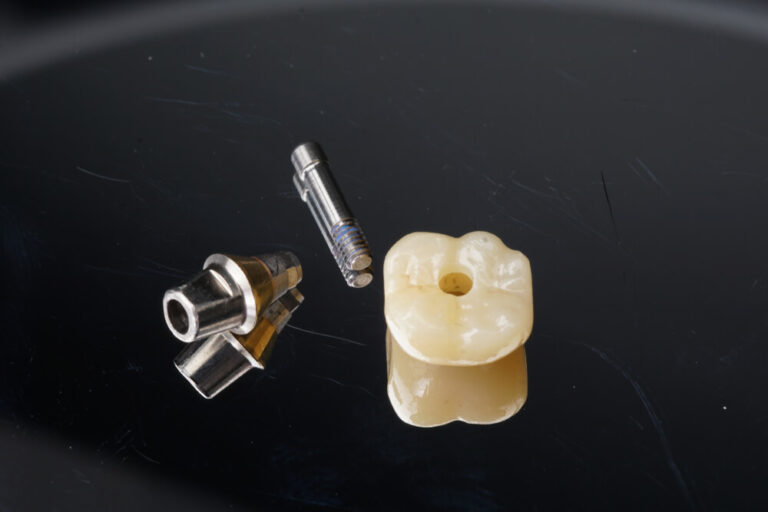
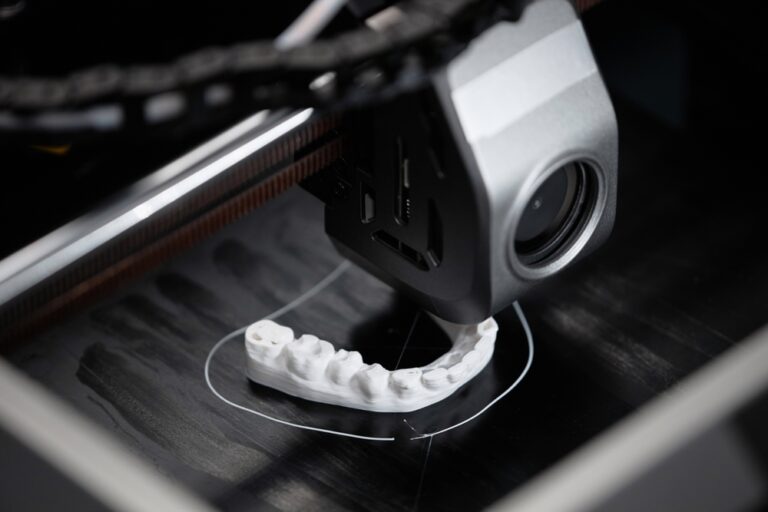
For cases involving Implants and Complex Implant Restorations, precision is especially critical. The framework must fit passively over the implants to prevent stress and ensure long-term success. Modern milling and 3D printing technologies allow for highly accurate fabrication, reducing the risk of misalignment and improving overall fit. This stage is where technical expertise and advanced equipment come together to create a reliable prosthetic base.
Esthetic Layering and Functional Design
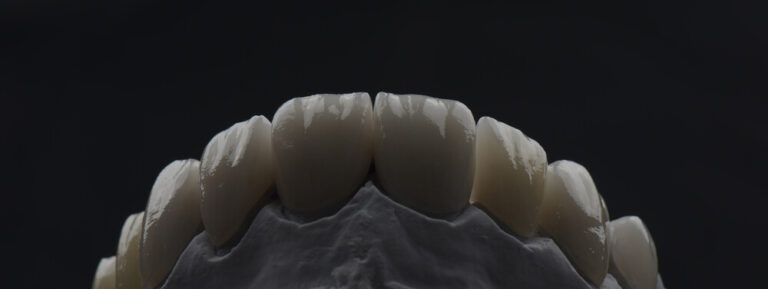
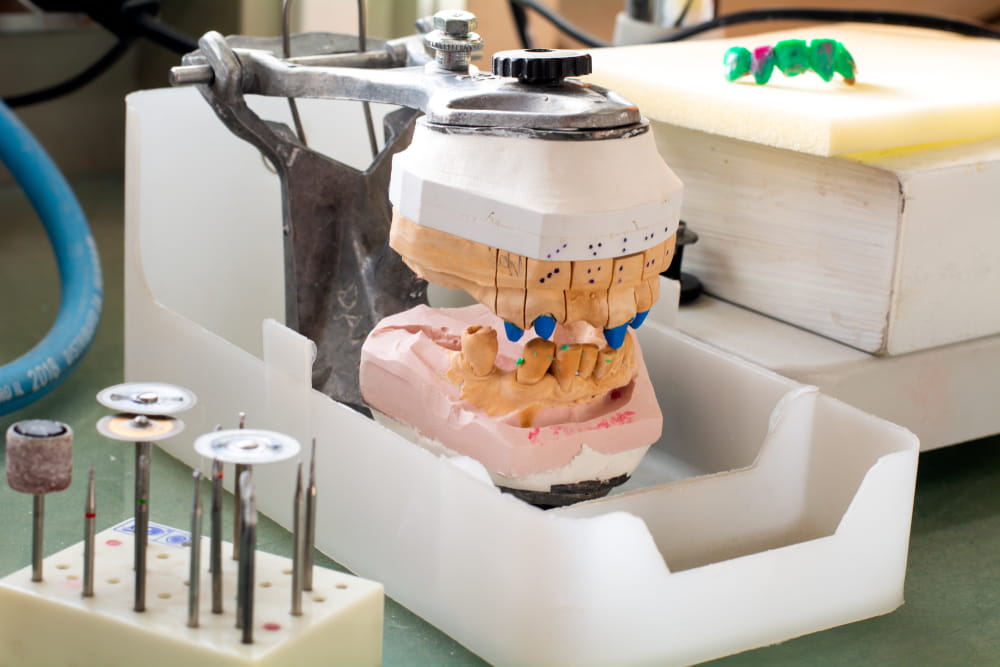
After the framework is completed, the next step involves layering and shaping the prosthetic teeth to achieve a natural appearance. This process includes selecting appropriate shades, contours, and textures that match the patient’s facial features and preferences. Whether using acrylic, composite, or ceramic materials, the goal is to create a restoration that looks and feels like natural teeth.
Restorations such as Layered Crown & Bridge and All-Ceramic techniques often influence the esthetic approach taken in All-on-4 prostheses. In addition to appearance, functional considerations such as bite alignment and speech are carefully addressed. The prosthesis must allow for proper chewing efficiency while maintaining comfort and stability, making this stage both an artistic and technical process.
Quality Control and Final Delivery Considerations
Before the final prosthesis is delivered, it undergoes rigorous quality checks to ensure accuracy, durability, and patient satisfaction. This includes verifying the fit, evaluating occlusion, and confirming that all components meet the required standards. Any necessary adjustments are made to optimize performance and comfort.
In some cases, provisional restorations may be used during the healing phase, allowing patients to function while the final prosthesis is being refined. These temporary solutions help guide the final design by providing insights into esthetics and function. The ability to iterate and refine the prosthesis ensures that the final result meets both clinical and patient expectations.
Why the Production Process Matters for Long-Term Success
The success of All-on-4 prostheses depends heavily on the accuracy and quality of the production process. A well-designed and properly fabricated prosthesis can provide years of reliable function, while errors in design or fit can lead to complications such as discomfort or implant failure. This highlights the importance of precision at every stage, from planning to final delivery.
Patients benefit from understanding that their restoration is the result of a detailed and collaborative process involving both clinical and laboratory expertise. Each step contributes to the overall outcome, ensuring that the prosthesis not only looks natural but also performs effectively under daily use. Advances in materials and digital workflows continue to improve these outcomes, making All-on-4 a dependable solution for full-arch rehabilitation.
Final Thoughts on All-on-4 Prosthetic Production
All-on-4 prostheses represent a sophisticated blend of surgical planning, digital design, and advanced fabrication techniques. The role of the dental laboratory is central to this process, ensuring that each restoration meets the highest standards of quality and precision.
Catalis Dental Lab Partners supports dental professionals in Phoenix, Arizona, and Warren, Michigan by contributing to the successful production of All-on-4 restorations. By focusing on innovation, accuracy, and material excellence, the process delivers durable, esthetic, and functional solutions for patients seeking full-arch tooth replacement.
Resources
Malo, P., de Araújo Nobre, M., & Lopes, A. (2003). The All-on-4 Concept for Full-Arch Rehabilitation. Clinical Implant Dentistry and Related Research.
Aparicio, C., Perales, P., & Rangert, B. (2001). Tilted Implants as an Alternative to Maxillary Sinus Grafting. Clinical Implant Dentistry and Related Research.
Papaspyridakos, P., Chen, C. J., Singh, M., Weber, H. P., & Gallucci, G. O. (2012). Success Criteria in Implant Dentistry. Journal of Dental Research.