Removable dental prosthetics play an essential role in restoring function, appearance, and confidence for individuals missing one or more teeth. Unlike fixed restorations, these appliances can be taken out for cleaning and maintenance, making them a flexible and accessible solution for many patients. Catalis Dental Lab Partners, serving Phoenix, Arizona, and Warren, Michigan, contributes to the development of high-quality removable restorations that prioritize comfort and precision.
These prosthetics are designed to replicate the look and function of natural teeth while supporting oral structures such as the gums and jaw. They are often recommended when multiple teeth are missing, when bone support is limited, or when patients prefer a non-surgical option. With advancements in materials and fabrication techniques, modern removable dental appliances offer improved fit, durability, and esthetics compared to traditional options.
Complete Dentures for Full-Arch Tooth Replacement
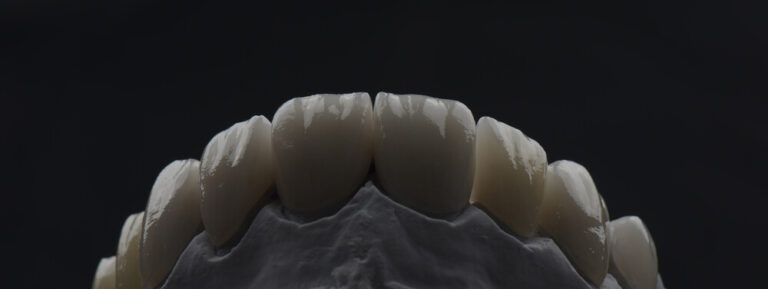
Complete dentures are used when all teeth in either the upper or lower arch are missing. These prosthetics rest directly on the gums and are custom-made to match the patient’s oral anatomy. They restore essential functions such as chewing and speaking, while also supporting facial structure to prevent the sunken appearance often associated with tooth loss.
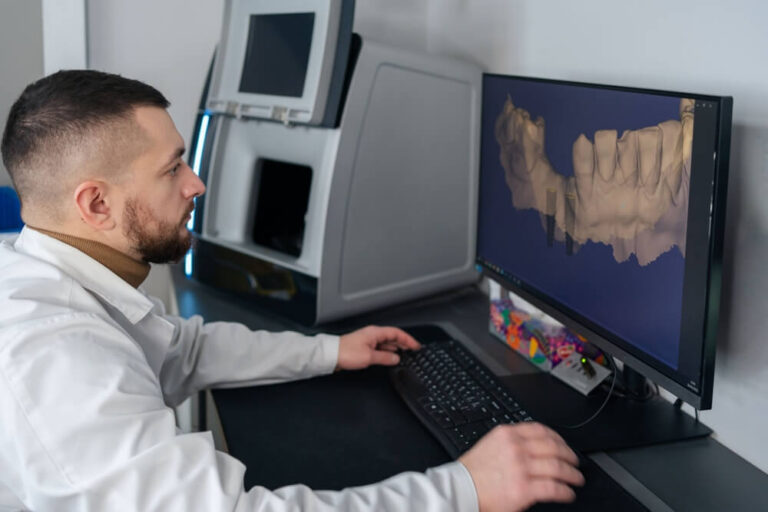
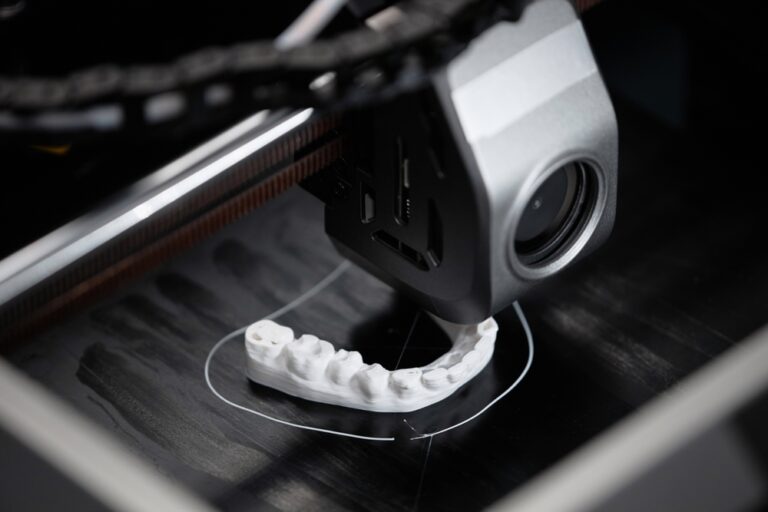
Today’s Dentures are more comfortable and natural-looking than ever before, thanks to advancements in design and materials. In addition, Digital Dentures have further improved precision by using digital impressions and CAD/CAM technology. This results in better fit, fewer adjustments, and faster turnaround times, making them a preferred option in modern dental workflows.
Partial Dentures for Targeted Tooth Replacement
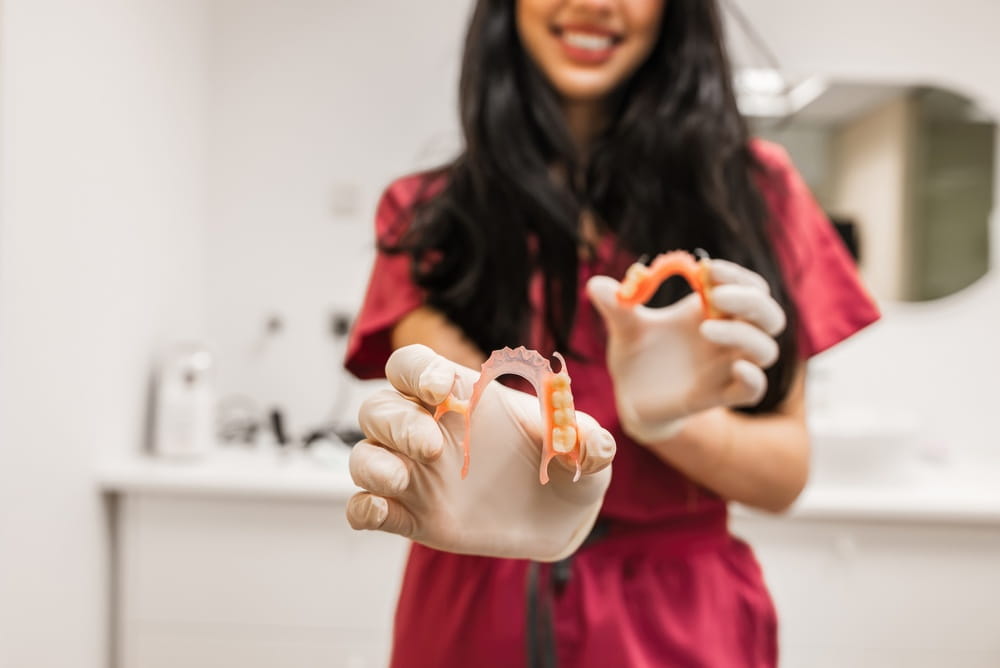
Partial dentures are designed for patients who still have some natural teeth remaining. These appliances fill in the gaps created by missing teeth and are typically supported by a combination of metal or acrylic frameworks that attach to existing teeth. They help maintain proper alignment by preventing adjacent teeth from shifting into empty spaces.
Options such as Partials can vary in design depending on the patient’s needs. Some are removable with clasps, while others use more discreet attachments for improved esthetics. Partial dentures not only restore function but also contribute to better oral health by preserving the position and integrity of remaining teeth.
Implant-Supported Removables for Enhanced Stability
Implant-supported removable prosthetics combine the benefits of traditional dentures with the added stability of dental implants. These appliances snap onto implants placed in the jawbone, providing a more secure fit and reducing movement during speaking or eating. This type of restoration is particularly beneficial for patients who struggle with loose or uncomfortable conventional dentures.
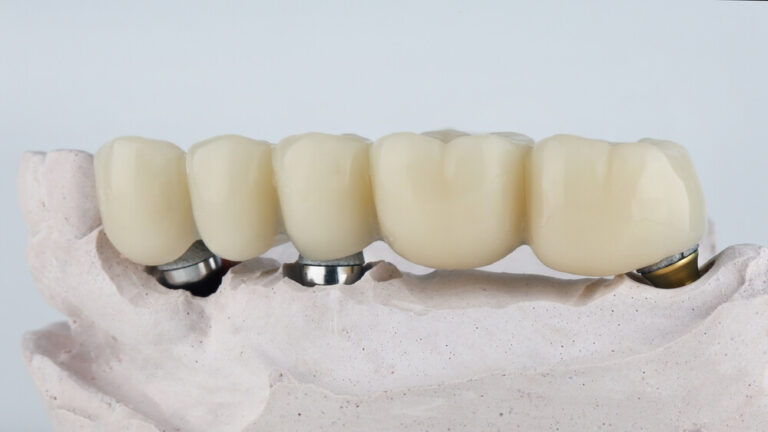
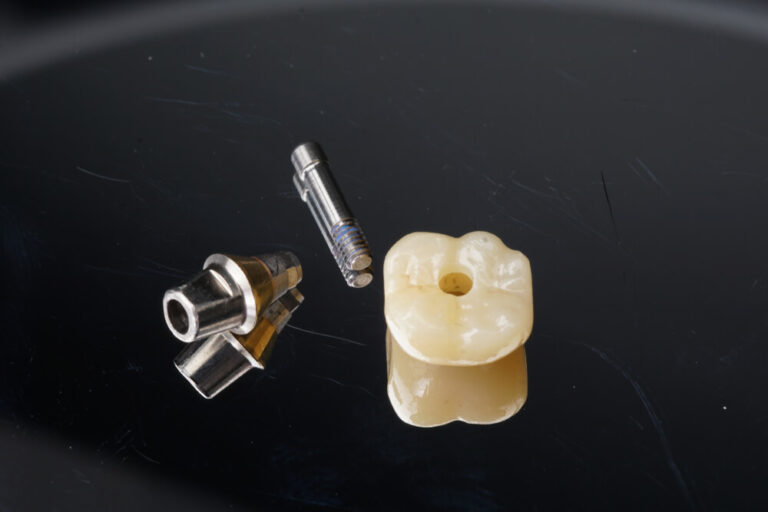
In cases involving Implants or Complex Implant Restorations, removable prosthetics can be designed to integrate seamlessly with implant fixtures. This approach enhances retention while still allowing the prosthetic to be removed for cleaning. It offers a balance between convenience and performance, making it an increasingly popular option.
Flexible and Specialty Removable Options
In addition to traditional acrylic and metal-based prosthetics, flexible removable options have gained popularity due to their comfort and adaptability. These appliances are made from softer, more pliable materials that conform to the natural contours of the mouth. They are often used for partial replacements and are especially beneficial for patients with sensitivities or irregular oral anatomy.
Specialty removable prosthetics may also include interim or transitional appliances used during treatment phases, such as after extractions or while waiting for permanent restorations. Advances in Our Technology have made it possible to create highly customized solutions that meet specific functional and esthetic goals. These innovations ensure that patients receive prosthetics tailored to their unique needs.
Choosing the Right Removable Option for Each Patient
Selecting the appropriate removable dental prosthetic depends on several factors, including the number of missing teeth, oral health status, and patient preferences. Each type of removable appliance serves a distinct purpose, and the decision-making process involves careful planning to ensure optimal results. Comfort, durability, and ease of maintenance are all key considerations when determining the best solution.
Patients benefit from understanding the available options and how each one addresses different clinical situations. Whether replacing a full arch of teeth or filling in smaller gaps, removable prosthetics offer a versatile and effective way to restore oral function. With continued advancements in materials and digital workflows, these solutions continue to evolve, providing better outcomes and improved patient experiences.
Final Thoughts on Removable Dental Solutions
Removable dental prosthetics remain a vital component of modern dentistry, offering practical and adaptable solutions for tooth replacement. From complete dentures to implant-supported options and flexible partials, each type serves a unique role in restoring smiles and improving quality of life.
Catalis Dental Lab Partners supports dental professionals in Phoenix, Arizona, and Warren, Michigan by contributing to high-quality removable restorations that emphasize precision and innovation. By understanding the different types of dental removables and their applications, patients can make more informed decisions about their oral health and treatment options.
Resources
Zarb, G. A., Bolender, C. L., & Eckert, S. E. (2013). Prosthodontic Treatment for Edentulous Patients. Mosby.
Phoenix, R. D., Cagna, D. R., & DeFreest, C. F. (2008). Stewart’s Clinical Removable Partial Prosthodontics. Quintessence Publishing.
Carlsson, G. E. (2014). Implant and Tooth-Supported Prostheses: A Review of Clinical Outcomes. Journal of Prosthodontic Research.