Computer-aided design and computer-aided manufacturing (CAD/CAM) technology has transformed the way implant-supported restorations are planned and produced. As digital workflows become more common, dental professionals and labs are increasingly relying on advanced systems to create highly accurate restorations that meet both functional and aesthetic demands. At Catalis Dental Lab Partners, this evolution reflects a broader industry shift toward precision-driven dentistry that benefits patients across locations like Phoenix, Arizona and Warren, Michigan.
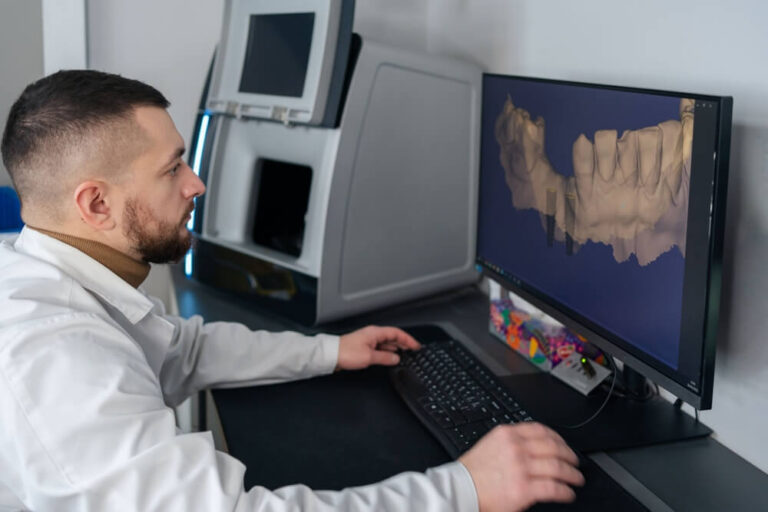
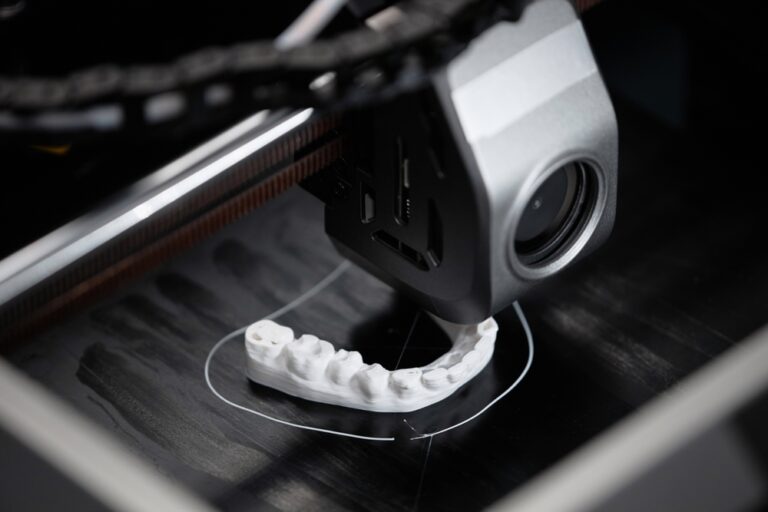
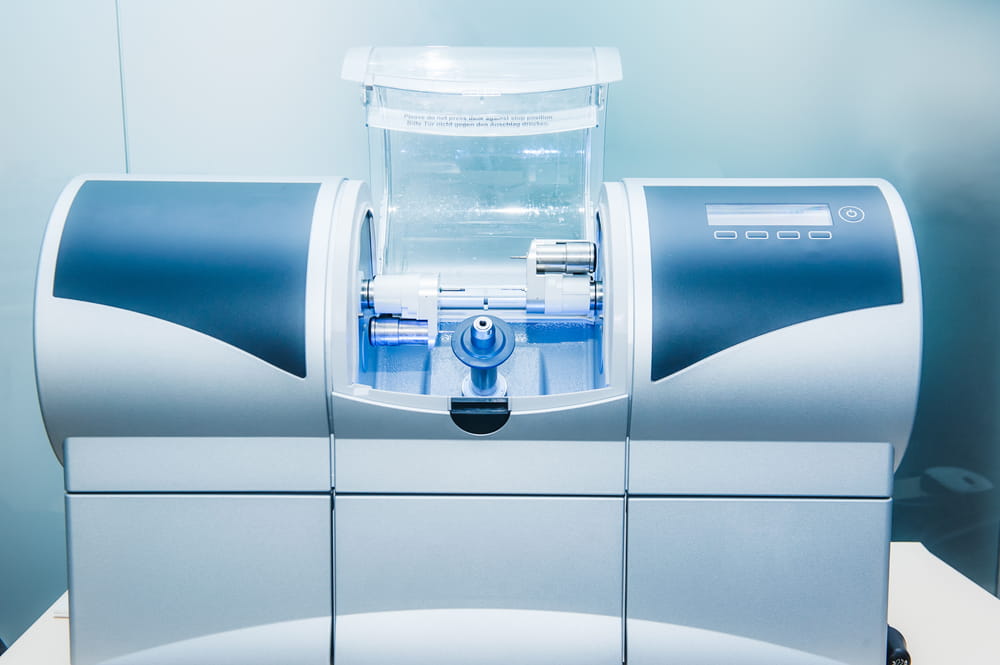
CAD/CAM technology allows clinicians and technicians to digitally design restorations based on highly detailed scans of a patient’s oral anatomy. These designs are then manufactured using milling machines or 3D printing systems, eliminating many of the inconsistencies associated with traditional manual techniques. This digital approach is particularly valuable for implant-supported restorations, where accuracy is critical for long-term success.
Improved Precision and Fit for Long-Term Success
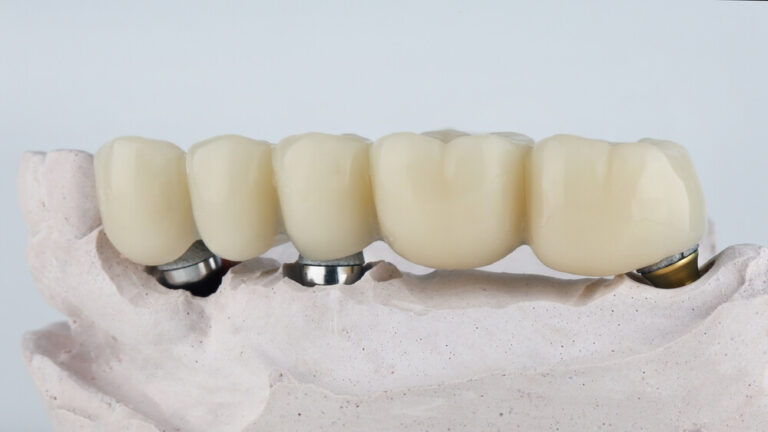
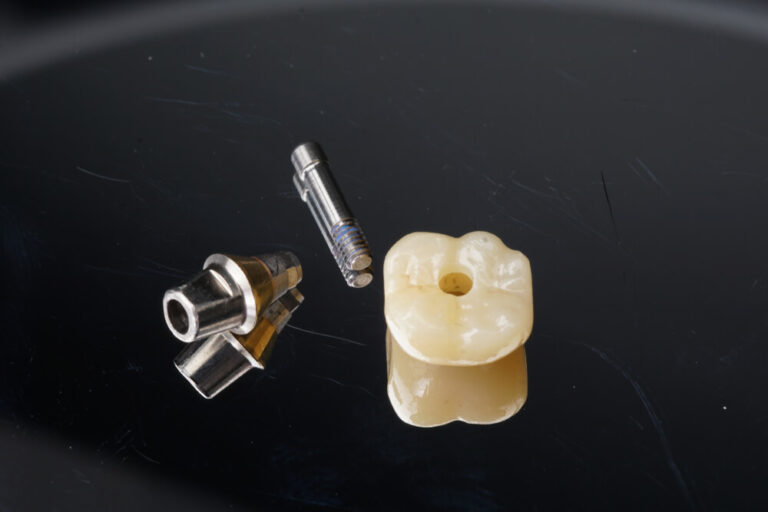
One of the most significant advantages of CAD/CAM technology is its ability to deliver exceptional precision. Implant-supported restorations must align perfectly with the implant fixture to ensure stability, comfort, and proper function. Even minor discrepancies can lead to complications such as discomfort, improper load distribution, or implant failure over time.
With digital scanning and design, CAD/CAM systems capture detailed measurements that reduce the margin of error. This results in restorations that fit more accurately, minimizing adjustments during placement. Whether used for implants or more advanced cases like complex implant restorations, the improved fit contributes to better clinical outcomes and increased patient satisfaction.
In addition, digital workflows allow for better communication between dental professionals and labs. Designs can be reviewed, modified, and approved before fabrication, ensuring that the final product meets precise specifications.
Enhanced Strength and Material Consistency
CAD/CAM technology supports the use of high-quality materials such as zirconia and other advanced ceramics, which are known for their durability and aesthetic appeal. These materials are milled from solid blocks, creating restorations with consistent density and strength. This is especially important for implant-supported restorations, which must withstand significant biting forces.
Compared to traditional fabrication methods, CAD/CAM-produced restorations are less prone to internal flaws or inconsistencies. This leads to longer-lasting results and reduces the likelihood of fractures or wear over time. Options such as all-ceramic restorations and layered crown & bridge solutions benefit greatly from this level of material integrity.
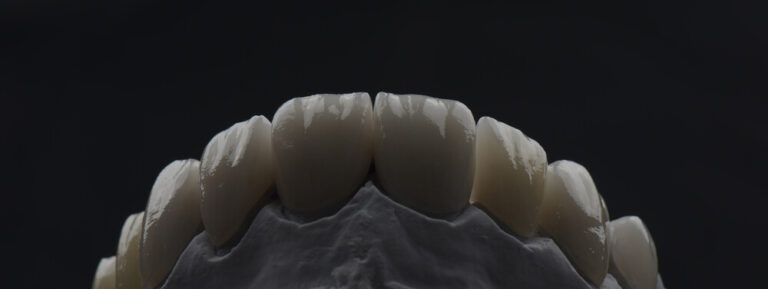
Patients also benefit aesthetically, as these materials can closely mimic the translucency and appearance of natural teeth, creating seamless and natural-looking restorations.
Streamlined Workflow and Faster Turnaround Times
Another key advantage of CAD/CAM technology is efficiency. Traditional methods often require multiple steps, including physical impressions, manual waxing, and casting, which can extend turnaround times. Digital workflows simplify this process by allowing for faster design and production.
With CAD/CAM systems, restorations can often be completed more quickly without compromising quality. This is particularly beneficial for patients who require timely treatment, as well as for clinicians managing busy schedules. Services like our technology highlight how digital integration can enhance productivity while maintaining high standards.
The streamlined process also reduces the need for remakes or adjustments, saving time for both patients and dental professionals. In many cases, fewer appointments are required, improving overall convenience.
Versatility Across a Range of Restorative Solutions
CAD/CAM technology is highly versatile and can be applied to a wide range of dental restorations beyond implants. From veneers to digital dentures and partials, digital workflows support consistent quality across multiple treatment types.
This versatility is particularly valuable in complex cases where multiple restorations must work together harmoniously. Digital design allows for better planning and coordination, ensuring that each component fits seamlessly within the overall treatment plan. For implant-supported restorations, this means improved integration with surrounding teeth and structures.
Key advantages of CAD/CAM technology include:
- Greater accuracy and fit for implant restorations
- Stronger, more durable materials with fewer defects
- Faster production times and reduced chairside adjustments
- Enhanced aesthetics for natural-looking results
- Improved communication between clinicians and labs
A Patient-Centered Future in Implant Dentistry
As dental technology continues to evolve, CAD/CAM systems are playing an increasingly important role in delivering high-quality, patient-centered care. The ability to create precise, durable, and aesthetically pleasing implant-supported restorations has redefined expectations for both clinicians and patients.
For individuals considering implant treatment, understanding the benefits of CAD/CAM technology can provide reassurance about the quality and longevity of their restoration. At Catalis Dental Lab Partners, advancements in digital dentistry reflect a commitment to innovation and excellence, helping support better outcomes for patients in Phoenix, Arizona, Warren, Michigan, and beyond.
Resources
Miyazaki, T., Hotta, Y., Kunii, J., Kuriyama, S., & Tamaki, Y. (2009). A review of dental CAD/CAM: current status and future perspectives. Journal of Prosthodontic Research.
Kapos, T., & Evans, C. (2014). CAD/CAM technology for implant abutments, crowns, and superstructures. International Journal of Oral & Maxillofacial Implants.
van Noort, R. (2012). The future of dental devices is digital. Dental Materials.