
Restoring damaged posterior teeth requires materials that can withstand the significant forces generated during everyday chewing. Molars and premolars experience the highest levels of biting pressure in the mouth, making strength and durability essential considerations when selecting restorative materials. Advances in dental materials have led to the widespread use of monolithic zirconia restorations because they combine exceptional durability with natural-looking aesthetics.
Catalis Dental Lab Partners supports modern restorative dentistry through advanced laboratory solutions that help dental professionals provide high-quality restorations for patients. Whether patients are receiving treatment in Phoenix, Arizona, Warren, Michigan, or surrounding communities, understanding why monolithic zirconia has become a preferred material for posterior crowns and bridges can help them make informed decisions about their dental care.
Understanding Monolithic Zirconia Restorations
What Makes Monolithic Zirconia Different?
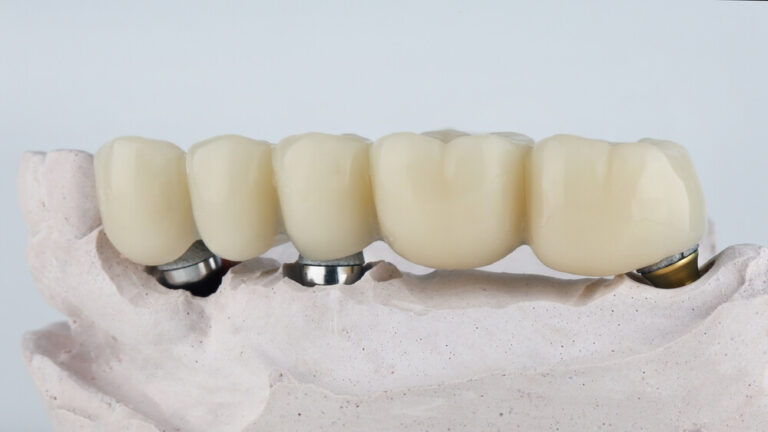
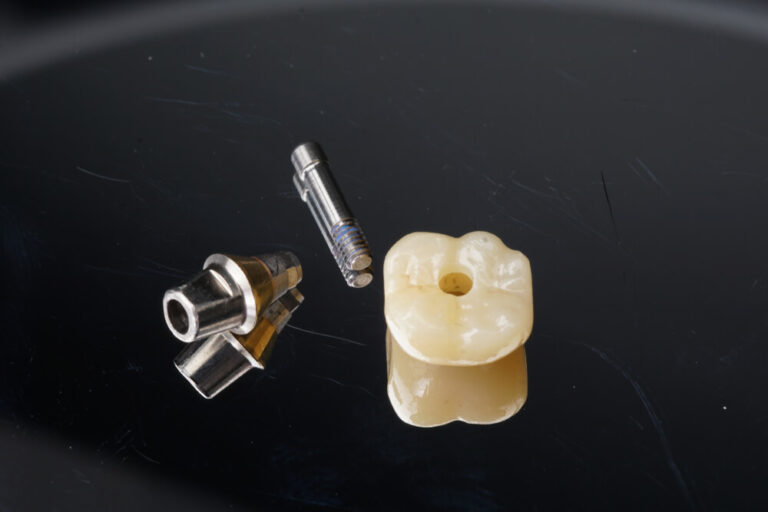
Monolithic zirconia restorations are fabricated from a single solid block of zirconia rather than layering porcelain over a framework. Because the restoration is made from one continuous material, there is no outer porcelain layer that may be susceptible to chipping or fracturing under heavy biting forces. This design has made monolithic zirconia particularly well suited for restoring posterior teeth, where strength is often the highest priority.
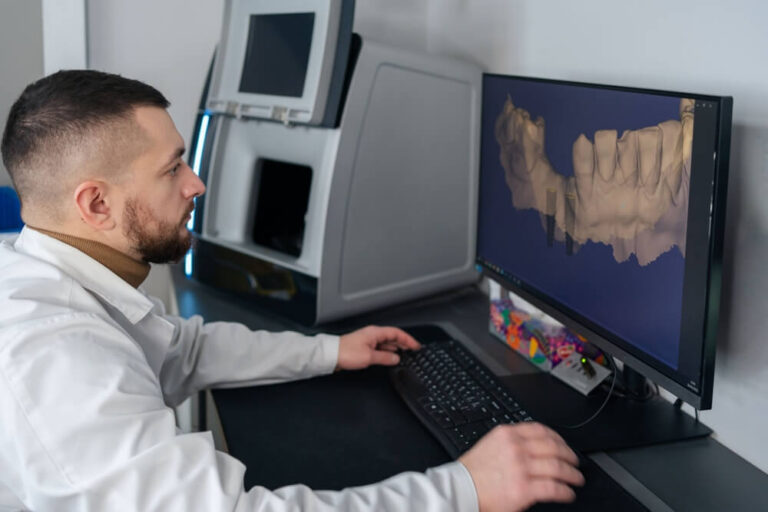
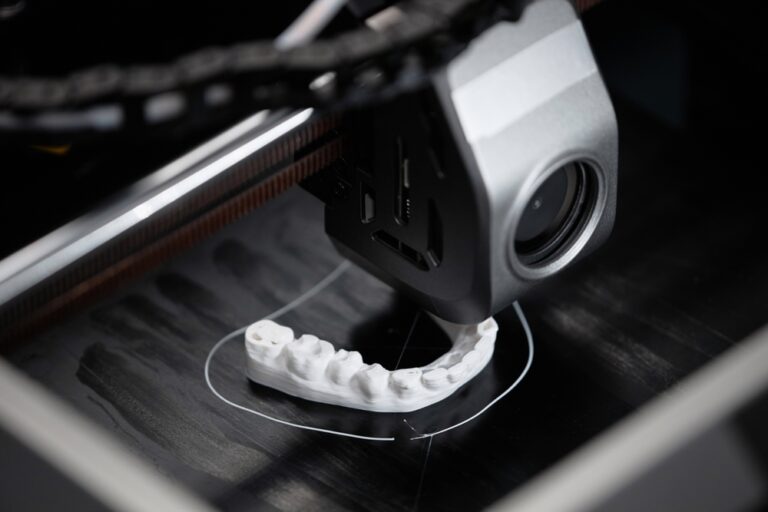
Modern manufacturing techniques, including digital scanning and computer-aided design and manufacturing (CAD/CAM), allow these restorations to be customized with remarkable precision. The result is a restoration that closely fits the prepared tooth while providing excellent strength and longevity.
Why Posterior Teeth Need Strong Restorations
Back teeth perform most of the work involved in chewing food. Every meal places repeated stress on molars and premolars, which means restorations in these areas must tolerate years of continuous pressure without compromising their structural integrity.
Patients who grind or clench their teeth may place even greater demands on restorations. In many situations, monolithic zirconia provides the durability needed to withstand these forces while maintaining function over the long term.
Key Advantages of Monolithic Zirconia
Monolithic zirconia offers several important benefits that have contributed to its growing popularity in restorative dentistry.
Some of the primary advantages include:
- Exceptional fracture resistance for high-pressure chewing areas.
- Reduced risk of porcelain chipping because no layered ceramic is present.
- Excellent long-term durability with proper oral hygiene.
- Precise fit made possible through digital design and manufacturing.
- Improved wear resistance compared to many traditional restorative materials.
- Conservative tooth preparation in many clinical situations.
- Natural-looking appearance with improved translucency in newer zirconia materials.
These characteristics make monolithic zirconia an excellent option for many patients who require crowns or bridges on posterior teeth while balancing strength with aesthetics.
Durability That Supports Long-Term Function
One of the greatest advantages of monolithic zirconia is its outstanding strength. Zirconia is among the strongest ceramic materials used in dentistry, making it highly resistant to fractures that can occur from repeated chewing forces or accidental impacts.
Unlike some traditional porcelain restorations, monolithic zirconia eliminates the interface between different materials where fractures may sometimes occur. Because the restoration consists of a single solid structure, it provides greater structural stability throughout years of normal function.
Long-term success still depends on maintaining healthy gums, controlling habits such as nighttime grinding when necessary, and attending routine dental examinations. Even the strongest restorative material benefits from regular professional evaluation.
A Balance Between Function and Aesthetics
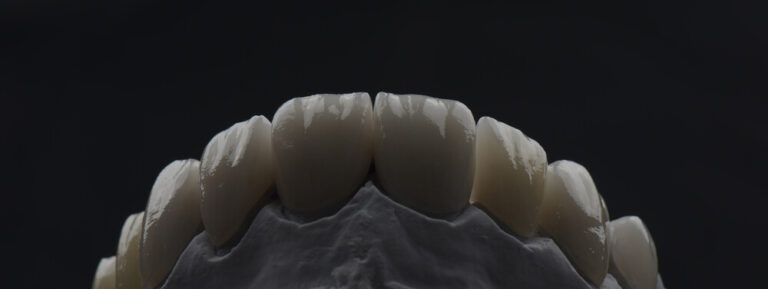
Earlier generations of zirconia emphasized strength over appearance, but modern formulations have significantly improved their esthetic qualities. Today’s monolithic zirconia restorations offer enhanced translucency, allowing them to blend more naturally with surrounding teeth while preserving their exceptional durability.
Although highly esthetic materials such as layered ceramics may still be preferred for certain highly visible front teeth, monolithic zirconia frequently provides an ideal balance for posterior restorations where both appearance and strength are important. Patients can often enjoy restorations that look natural while providing dependable function during everyday activities.
Digital shade matching and advanced laboratory techniques also contribute to more lifelike results, helping restorations integrate smoothly with a patient’s existing smile.
The Importance of Precision Manufacturing
The success of any dental restoration depends not only on the material selected but also on the precision with which it is designed and fabricated. Digital workflows have transformed restorative dentistry by improving accuracy throughout every stage of production.
Digital impressions, computer-aided design, and precision milling technology help create restorations that fit comfortably and require minimal adjustment. Accurate margins support healthier gum tissues, while proper occlusion helps distribute biting forces evenly across the restoration and surrounding teeth.
This combination of advanced materials and digital manufacturing has improved predictability for both dental professionals and patients seeking durable restorative solutions.
Supporting Healthy Smiles for Years to Come
Monolithic zirconia restorations have become one of the most reliable solutions for restoring posterior teeth because they successfully combine strength, durability, precision, and increasingly natural aesthetics. Their ability to withstand heavy chewing forces while maintaining structural integrity makes them an excellent choice for many patients requiring crowns or bridges on molars and premolars.
Catalis Dental Lab Partners continues to support modern restorative dentistry through advanced laboratory technologies that contribute to high-quality restorative outcomes for patients in Phoenix, Arizona, Warren, Michigan, and beyond. By understanding the advantages of monolithic zirconia restorations, patients can work with their dental providers to choose restorative options that promote long-term function, comfort, and oral health.
Related Services
To learn more about restorative dental laboratory solutions, explore these related services:
Resources
Denry, I., & Kelly, J. R. (2014). State of the Art of Zirconia for Dental Applications. Dental Materials, 30(1), 90–101.
Conrad, H. J., Seong, W. J., & Pesun, I. J. (2007). Current Ceramic Materials and Systems with Clinical Recommendations. Journal of Prosthetic Dentistry, 98(5), 389–404.
Zhang, Y., & Lawn, B. R. (2018). Novel Zirconia Materials in Dentistry. Journal of Dental Research, 97(2), 140–147.