Losing most or all of the teeth in the upper or lower jaw can significantly affect everyday life. Eating, speaking clearly, smiling confidently, and maintaining proper facial support often become more challenging when multiple teeth are missing. While traditional dentures have long provided a solution for complete tooth loss, advances in implant dentistry have introduced more stable and long-lasting treatment options. Implant-supported full-arch restorations have become an increasingly popular choice because they offer improved comfort, function, and aesthetics compared to conventional removable dentures.
Catalis Dental Lab Partners supports modern restorative dentistry through advanced laboratory technologies that help dental professionals fabricate precise, customized implant restorations. Patients in Phoenix, Arizona, Warren, Michigan, and surrounding communities can benefit from understanding how implant-supported full-arch restorations work and why they have become an important advancement in comprehensive tooth replacement.
What Are Implant-Supported Full-Arch Restorations?
Replacing an Entire Smile with Dental Implants
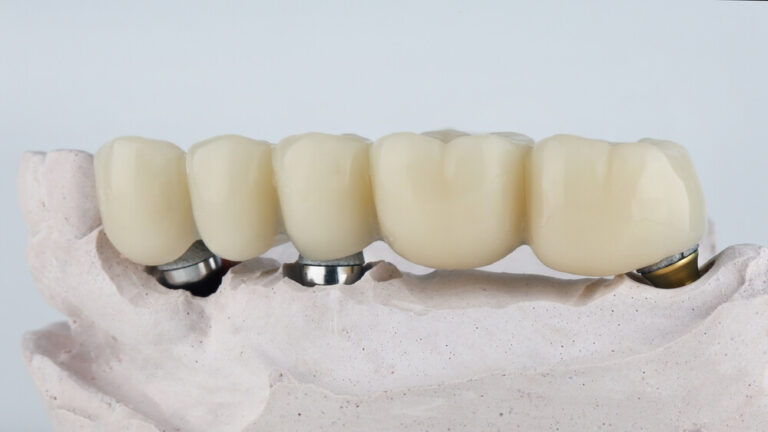
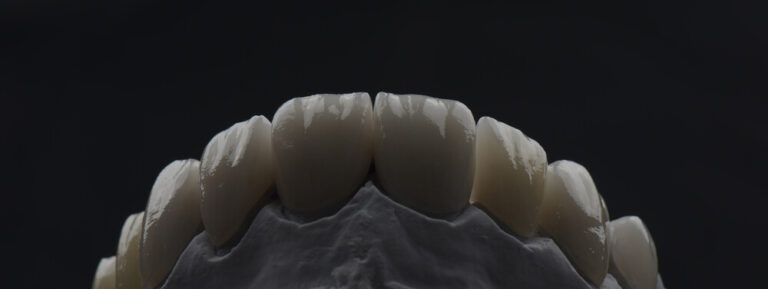
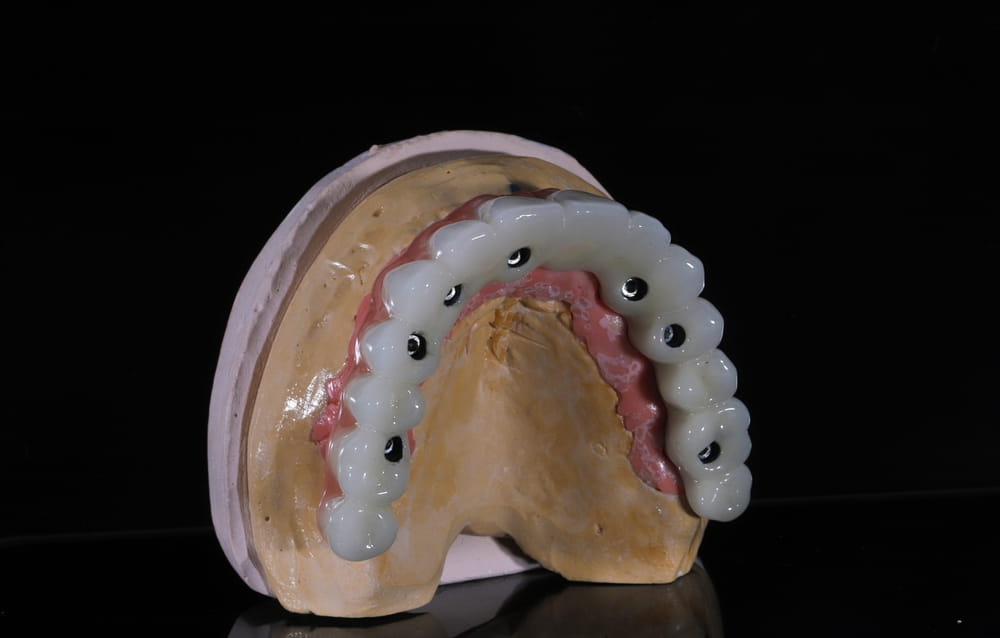
An implant-supported full-arch restoration is a prosthesis that replaces all of the teeth in either the upper or lower jaw using a limited number of strategically placed dental implants. Rather than replacing every missing tooth with an individual implant, several implants are positioned within the jawbone to securely support a complete arch of prosthetic teeth.
This approach allows patients to receive a full set of stable replacement teeth while reducing the number of implants required. Depending on individual anatomy and treatment goals, dentists may recommend four, five, six, or more implants to provide adequate support for the restoration.
How the Restoration Differs from Traditional Dentures
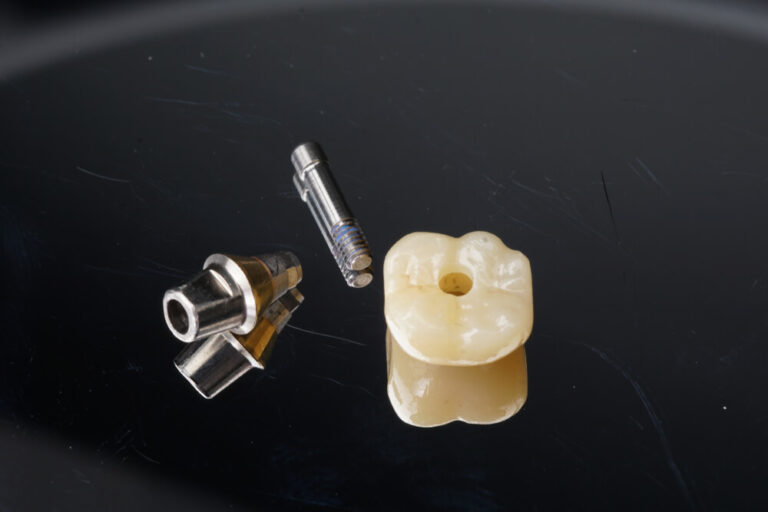
Unlike conventional dentures that rest on the gums, implant-supported restorations are anchored directly to dental implants. This secure connection minimizes movement during eating and speaking while providing greater confidence in daily activities.
Because implants integrate with the jawbone through a natural healing process known as osseointegration, they also help stimulate the bone and reduce the gradual bone loss that commonly occurs after teeth are lost. Preserving jawbone structure contributes to better long-term oral health and helps maintain facial appearance.
Benefits of Implant-Supported Full-Arch Restorations
Implant-supported restorations provide numerous advantages that extend well beyond cosmetic improvements.
Some of the primary benefits include:
- Improved chewing efficiency for a wider variety of foods.
- Greater stability compared to removable dentures.
- Enhanced speech with reduced movement during conversation.
- Better preservation of jawbone through implant stimulation.
- Natural-looking appearance customized to each patient’s facial features.
- Increased comfort by eliminating pressure on the gums.
- Long-term durability with appropriate maintenance.
- Greater confidence during social interactions and everyday activities.
While every patient’s experience is unique, these advantages often contribute to significant improvements in overall quality of life following treatment.
The Treatment Process
Receiving an implant-supported full-arch restoration involves careful planning and collaboration among the dental team. Advanced diagnostic technology allows providers to evaluate bone volume, identify important anatomical structures, and create a personalized treatment plan before surgery begins.
Treatment generally includes several stages. Initial consultations include comprehensive examinations, digital imaging, and treatment planning. Dental implants are then surgically placed within the jawbone and allowed to heal over several months as they integrate with the surrounding bone. Temporary restorations may be provided during this healing period to maintain appearance and function.
Once healing is complete, detailed impressions or digital scans are obtained to fabricate the final restoration. The completed prosthesis is carefully adjusted to ensure proper fit, bite alignment, comfort, and aesthetics before being securely attached to the implants.
Advanced Technology Improves Precision
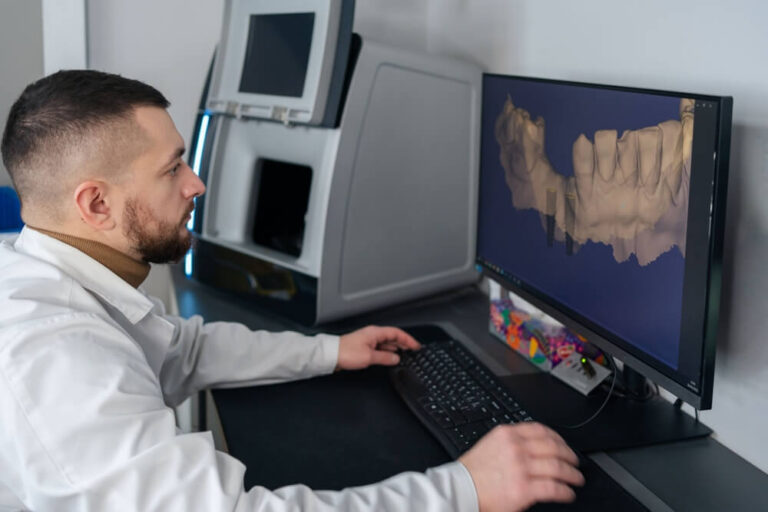
Digital dentistry has transformed implant-supported full-arch treatment by improving accuracy throughout every phase of care. Three-dimensional CBCT imaging provides detailed views of bone anatomy, while digital impressions eliminate many of the inaccuracies associated with traditional impression materials.
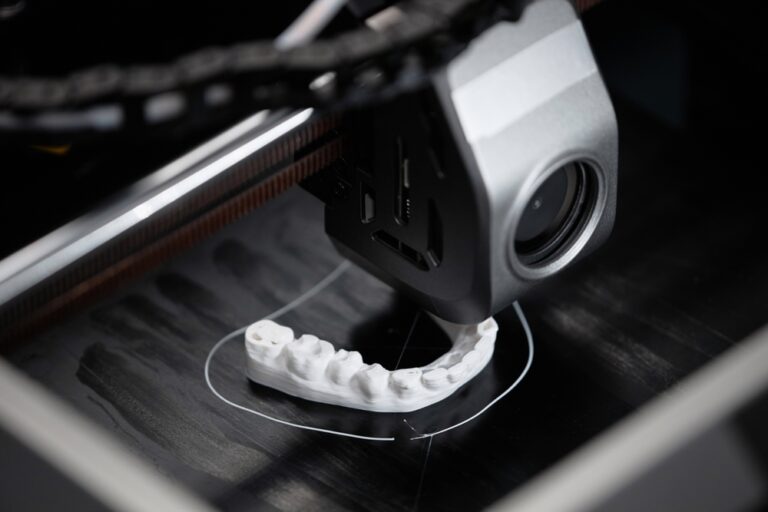
Computer-aided design and manufacturing (CAD/CAM) technologies allow dental laboratories to fabricate highly accurate restorations that fit precisely onto implant components. Careful planning also enables clinicians to optimize bite relationships, improve chewing function, and achieve natural-looking esthetic outcomes.
High-quality laboratory craftsmanship plays an important role in the long-term success of implant restorations. Material selection, precision manufacturing, and close collaboration between clinicians and laboratory professionals help ensure restorations are both durable and aesthetically pleasing.
Maintaining Long-Term Success
Although implant-supported full-arch restorations are designed for long-term performance, they still require consistent maintenance. Patients should continue brushing, cleaning around implants with recommended devices, attending regular dental examinations, and receiving professional cleanings to help protect both the implants and surrounding tissues.
Routine follow-up appointments allow dental professionals to monitor implant health, evaluate the restoration for normal wear, and address minor concerns before they develop into larger problems. Patients who maintain excellent oral hygiene and follow professional recommendations often enjoy successful restorations for many years.
Restoring Function, Confidence, and Quality of Life
Implant-supported full-arch restorations have transformed the treatment of complete tooth loss by offering a stable, functional, and natural-looking alternative to traditional dentures. Through careful planning, advanced implant techniques, and precision laboratory fabrication, these restorations help many patients regain the ability to eat comfortably, speak clearly, and smile with confidence.
Catalis Dental Lab Partners continues to support restorative dentistry through advanced laboratory solutions that contribute to predictable, high-quality implant restorations for patients in Phoenix, Arizona, Warren, Michigan, and beyond. As implant technology and digital workflows continue to evolve, implant-supported full-arch restorations remain one of the most effective options for restoring both oral function and long-term confidence.
Related Services
To learn more about implant and restorative solutions, explore these related services:
Resources
Malo, P., de Araújo Nobre, M., & Lopes, A. (2007). The All-on-4 Concept for Full-Arch Rehabilitation. Clinical Implant Dentistry and Related Research.
Misch, C. E. (2015). Dental Implant Prosthetics (2nd ed.). Elsevier.
Goodacre, C. J., Bernal, G., Rungcharassaeng, K., & Kan, J. Y. K. (2003). Clinical Complications with Implants and Implant Prostheses. The Journal of Prosthetic Dentistry, 90(2), 121–132.