
Orthodontic treatment has advanced significantly over the years, providing patients with a variety of appliances designed to address different alignment and bite concerns. Whether correcting crowded teeth, guiding jaw development, or maintaining treatment results, each appliance serves a specific purpose throughout the orthodontic process. Understanding how these devices work can help patients feel more confident about their treatment journey and appreciate the importance of following their orthodontist’s recommendations.
At Catalis Dental Lab Partners, supporting the creation of high-quality dental restorations and orthodontic solutions contributes to the overall success of comprehensive dental care. Patients in Phoenix, Arizona, Warren, Michigan, and surrounding communities often encounter several different types of orthodontic appliances depending on their individual needs. While treatment plans are always customized, becoming familiar with these appliances can help patients better understand what to expect before, during, and after orthodontic care.
Fixed Orthodontic Appliances for Tooth Movement
Traditional Braces
Traditional braces remain one of the most effective treatment options for correcting mild to severe orthodontic problems. Metal brackets are bonded to the teeth and connected with an archwire that gradually applies controlled pressure, moving teeth into healthier positions over time. Modern braces are smaller and more comfortable than earlier versions while continuing to provide excellent results for complex alignment concerns.
Braces can address overcrowding, spacing issues, overbites, underbites, crossbites, and other bite irregularities that may affect both oral health and appearance. Because they remain attached throughout treatment, they provide continuous tooth movement and do not rely on patient compliance in the same way removable appliances do.
Clear Aligners
Clear aligners have become an increasingly popular alternative for patients with mild to moderate orthodontic concerns. These transparent trays are custom-made and replaced every few weeks as teeth gradually shift into position. Their nearly invisible appearance makes them particularly appealing to adults and teenagers seeking a more discreet treatment option.
Since aligners can be removed for eating, brushing, and flossing, they allow patients to maintain excellent oral hygiene throughout treatment. However, they must typically be worn for 20 to 22 hours each day to achieve the desired results, making patient commitment an essential part of successful treatment.
Removable Appliances That Support Orthodontic Care
Not every orthodontic appliance is designed to move teeth continuously. Some removable appliances guide jaw growth, correct habits, or maintain treatment outcomes after active tooth movement has been completed. These devices often play an equally important role in achieving long-term orthodontic success.
Common removable orthodontic appliances include:
- Retainers that help maintain tooth alignment after braces or aligners.
- Palatal expanders that gradually widen the upper jaw in growing children.
- Functional appliances that encourage proper jaw development during growth.
- Space maintainers that preserve room for permanent teeth after premature loss of baby teeth.
- Habit appliances that discourage thumb sucking or tongue thrusting behaviors.
Each appliance is selected based on the patient’s age, stage of development, and specific orthodontic goals. Following wear instructions carefully helps maximize treatment effectiveness and reduce the likelihood of future complications.
Specialized Appliances for Complex Orthodontic Needs
Some orthodontic cases require additional appliances beyond braces or aligners to achieve ideal bite relationships. Temporary anchorage devices (TADs), elastics, headgear, and other specialized tools may be incorporated into treatment plans when greater control over tooth movement is necessary.
Temporary anchorage devices are small titanium anchors placed temporarily within the jawbone to provide stable support for moving certain teeth more efficiently. Because they minimize unwanted movement of neighboring teeth, they can improve treatment precision in selected cases.
Orthodontic elastics, commonly called rubber bands, are frequently used alongside braces to improve the relationship between the upper and lower jaws. Patients who consistently wear elastics according to instructions often experience smoother treatment progression and more predictable bite correction.
Choosing the Right Orthodontic Appliance
Selecting the appropriate orthodontic appliance involves much more than choosing between braces and clear aligners. Orthodontists evaluate several factors before recommending treatment, including the severity of alignment issues, jaw relationships, patient age, oral health, lifestyle preferences, and long-term treatment objectives.
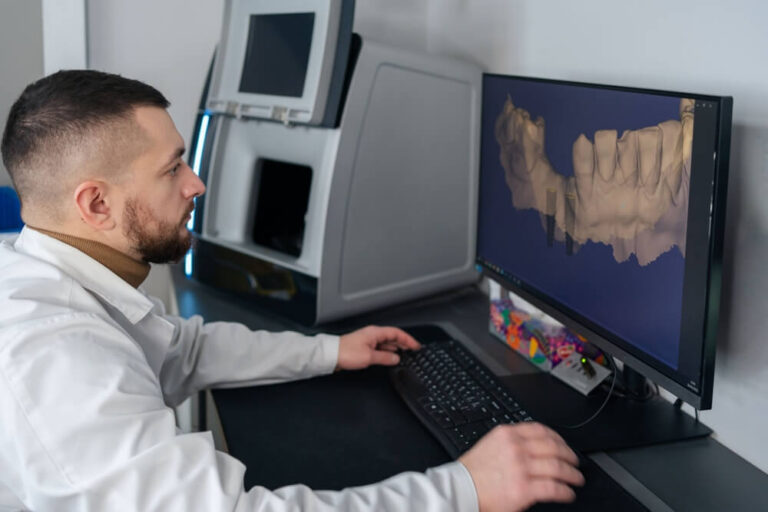
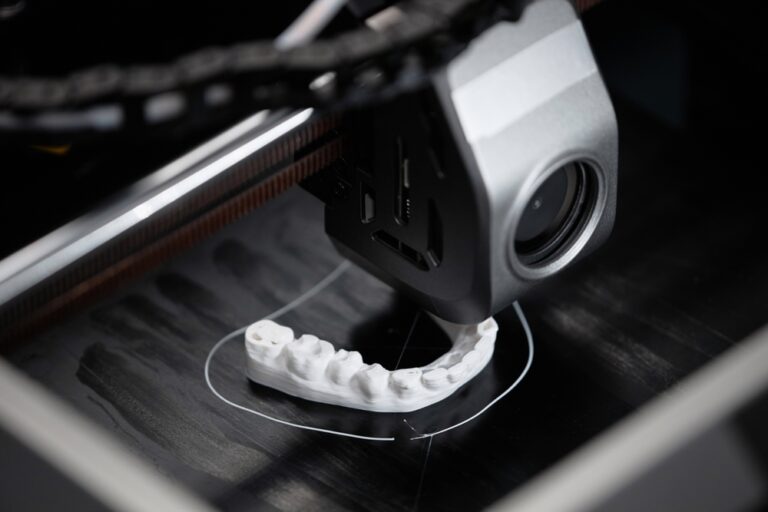
Advances in digital dentistry have also improved the planning process. Three-dimensional imaging, digital impressions, and advanced laboratory technology allow providers to create highly customized treatment plans that improve precision and patient comfort. As dental technology continues to evolve, orthodontic appliances become increasingly efficient while offering more personalized care for patients with a wide range of orthodontic needs.
Patients should also remember that orthodontic treatment extends beyond cosmetic improvement. Properly aligned teeth can contribute to easier brushing and flossing, reduced abnormal tooth wear, improved bite function, and better overall oral health. Completing treatment as recommended and wearing retainers afterward helps preserve these benefits for many years.
Long-Term Success Depends on Proper Care
Every orthodontic appliance plays an important role in achieving healthy, functional, and attractive smiles. While different devices serve different purposes, they all work toward improving tooth alignment, jaw relationships, and long-term oral health. Understanding how these appliances function allows patients to become active participants in their own treatment and achieve the best possible outcomes.
As digital dental technology continues to advance, organizations like Catalis Dental Lab Partners help support modern restorative and orthodontic workflows that contribute to high-quality patient care in Phoenix, Arizona, Warren, Michigan, and beyond. Learning about the many orthodontic appliances available today empowers patients to have informed conversations with their dental providers and better understand the personalized treatment options that may be recommended for their unique needs.
Related Services
To learn more about advanced dental laboratory solutions and restorative technologies, explore these related services:
Resources
Proffit, W. R., Fields, H. W., Larson, B., & Sarver, D. M. (2019). Contemporary Orthodontics (6th ed.). Elsevier.
American Association of Orthodontists. (2024). Orthodontic Treatment and Patient Resources.
Graber, L. W., Vanarsdall, R. L., Vig, K. W. L., & Huang, G. J. (2022). Orthodontics: Current Principles and Techniques (7th ed.). Elsevier.