
Dental laboratories have transformed significantly over the past decade, driven by rapid advances in digital tools, materials science, and precision manufacturing. For patients in areas like Phoenix, Arizona and Warren, Michigan, these innovations quietly influence the quality, comfort, and longevity of restorations they receive. Catalis Dental Lab Partners represents this modern era of dentistry where advanced lab technologies support better-fitting and more natural-looking dental solutions.
Traditional handcrafted methods have evolved into hybrid workflows that combine expert craftsmanship with cutting-edge digital systems. This shift allows dental professionals to design restorations with exceptional accuracy, reducing human error while preserving the artistry required for lifelike aesthetics. Patients benefit from improved comfort, fewer adjustments, and restorations that integrate seamlessly with natural teeth.
Digital Design and Precision Manufacturing
CAD/CAM and 3D Imaging Advancements
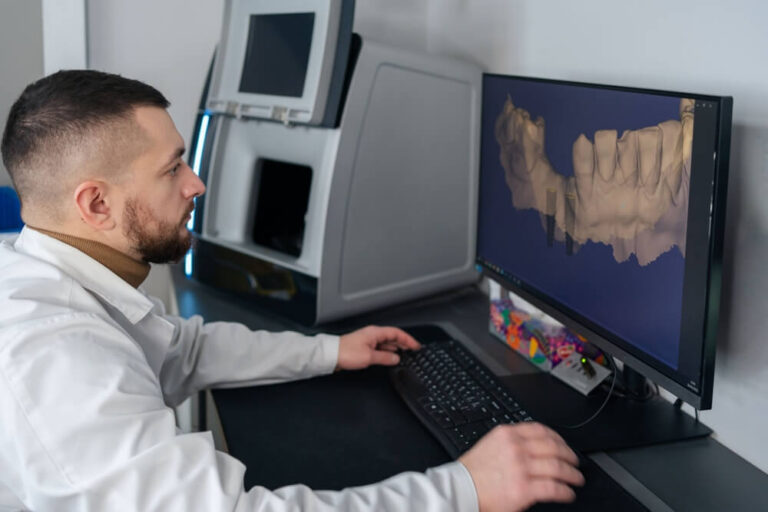
Computer-aided design and manufacturing (CAD/CAM) systems are central to today’s dental lab innovations. High-resolution scanners capture precise digital impressions, eliminating the discomfort of traditional molds. These digital files allow technicians to design restorations with micron-level accuracy, improving bite alignment and overall function. Platforms highlighted in Our Technology demonstrate how digital workflows streamline production while enhancing quality.
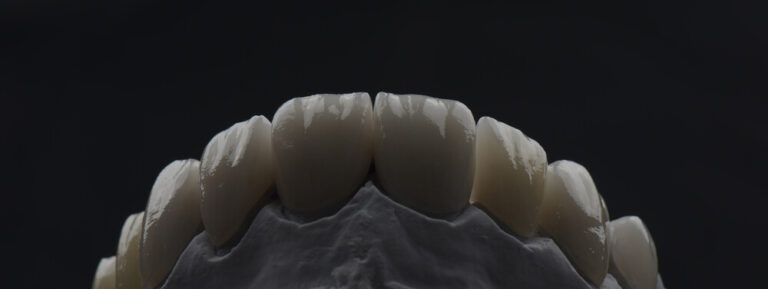
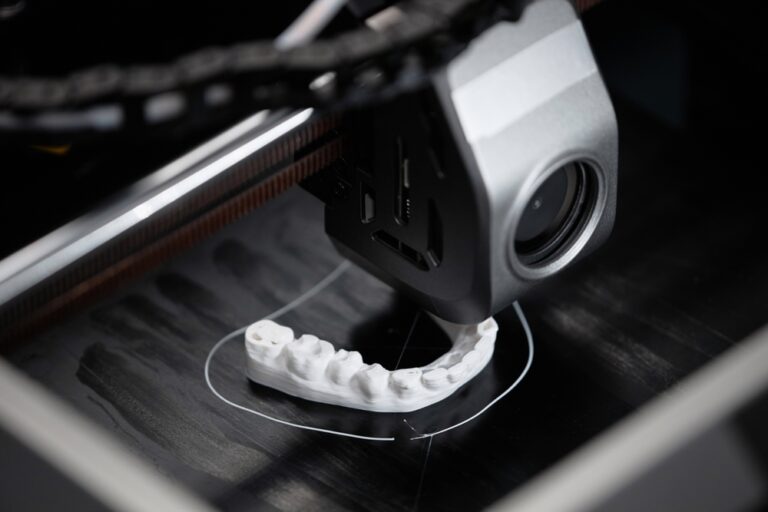
Milling machines and 3D printers then bring these designs to life using advanced ceramics and resins. This process supports highly detailed restorations such as Veneers and Layered Crown & Bridge solutions, offering both durability and natural translucency. For patients, this translates to restorations that look and feel more like natural teeth.
Innovations in Implant and Restorative Solutions
Accuracy for Long-Term Stability
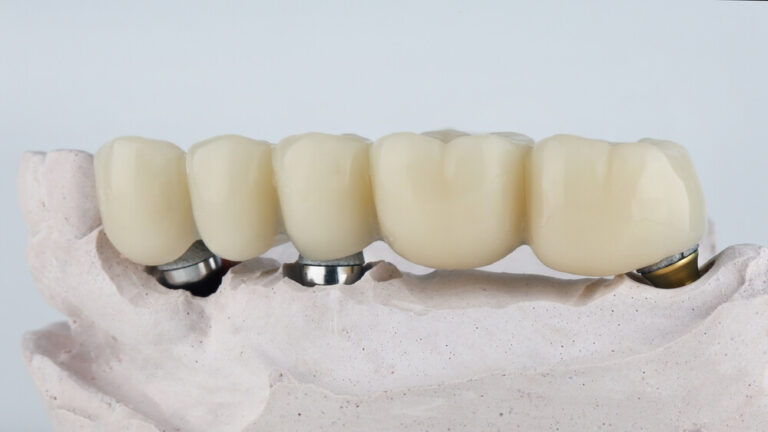
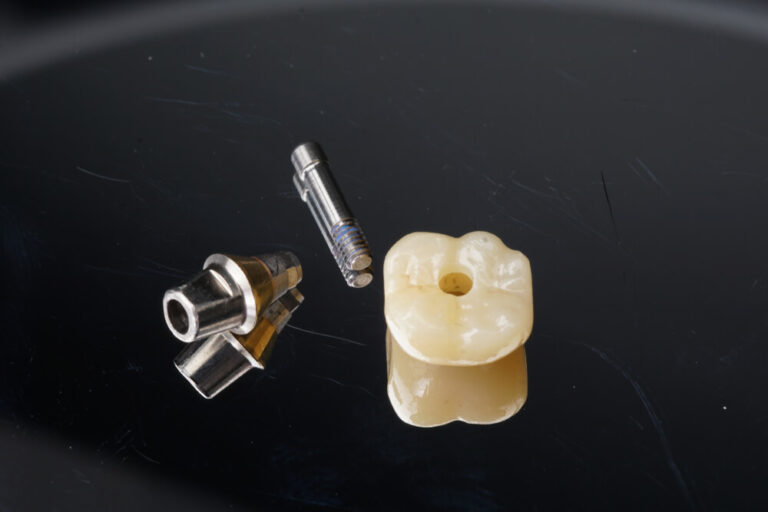
Implant dentistry relies heavily on precision, and modern lab technology plays a critical role in successful outcomes. Digital planning tools allow labs to design implant restorations that align perfectly with a patient’s anatomy. This precision supports predictable results for Implants and Complex Implant Restorations, improving comfort and longevity.
Advanced materials such as zirconia and hybrid ceramics further enhance implant restorations. These materials offer strength comparable to metal while providing superior aesthetics. As a result, patients experience restorations that are both functional and visually appealing, supporting confidence and oral health over the long term.
Digital Dentures and Patient-Centered Outcomes
Comfort, Consistency, and Efficiency
One of the most impactful innovations for patients is the development of digitally designed dentures. Using precise scans and digital modeling, labs can fabricate Digital Dentures that offer improved fit and consistency compared to traditional methods. This technology reduces chair time and enhances comfort for patients requiring Dentures.
Key patient benefits of modern denture technology include:
- Improved fit and stability
- Faster turnaround times
- Easier replication if replacements are needed
These advancements help patients regain confidence in daily activities such as speaking and eating, highlighting how lab technology directly impacts quality of life.
The Future of Dental Lab Technology
What Patients Can Expect Next
Emerging technologies such as artificial intelligence and automated quality control systems continue to push dental labs forward. AI-assisted design can analyze bite dynamics and aesthetics, refining restorations before they are produced. Combined with advanced ceramics used in All-Ceramic and Traditional restorations, these tools promise even greater consistency and personalization.
As dental lab technology evolves, patients in communities like Phoenix, Arizona and Warren, Michigan can expect restorations that are more precise, durable, and natural-looking than ever before. Catalis Dental Lab Partners stands as a name associated with this ongoing advancement, reflecting how innovation continues to elevate modern dentistry and patient care.
Resources
Mangano, F., Gandolfi, A., Luongo, G., & Logozzo, S. (2017). Intraoral scanners in dentistry: A review of the current literature. BMC Oral Health.
Miyazaki, T., Hotta, Y., Kunii, J., Kuriyama, S., & Tamaki, Y. (2009). A review of dental CAD/CAM: Current status and future perspectives. Journal of Prosthodontic Research.
Bidra, A. S., & Taylor, T. D. (2013). Computer-aided design and computer-aided manufacturing of dental restorations. Journal of Prosthetic Dentistry.