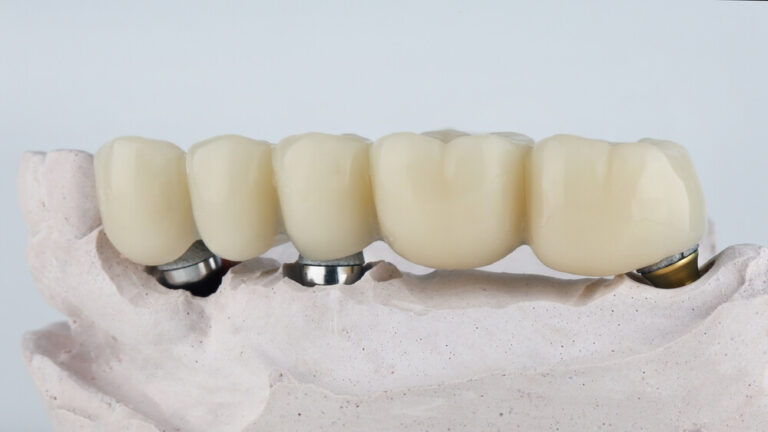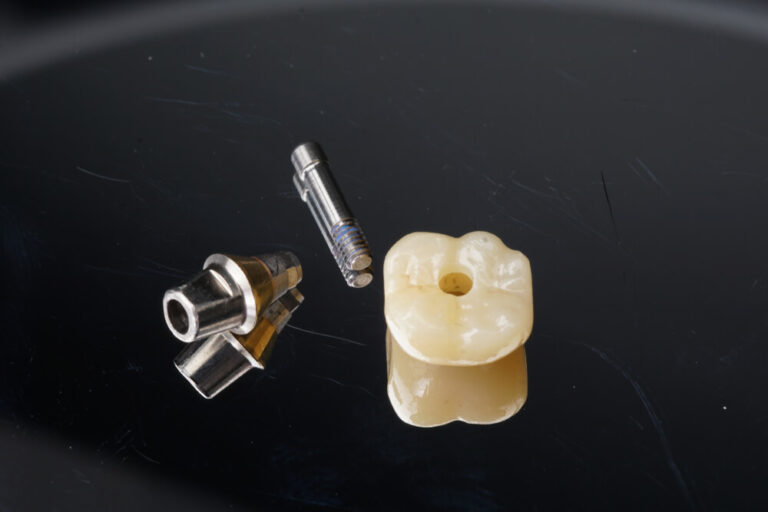
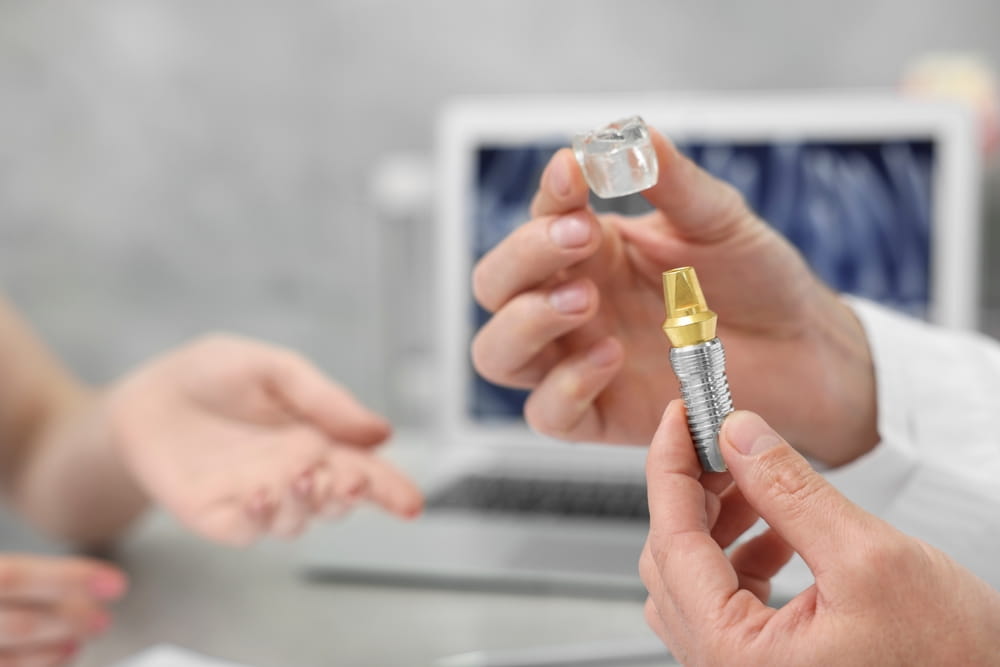
Dental abutments play a critical role in implant-based dentistry by serving as the connector between a dental implant and the visible restoration. For patients exploring implant solutions, understanding how abutments function helps clarify why implant restorations can feel stable and natural. Catalis Dental Lab Partners recognizes that modern dental care depends heavily on precision-engineered components like abutments to achieve predictable results.
Once an implant integrates with the jawbone, the abutment is attached to support a crown, bridge, or denture. The design, material, and placement of the abutment influence not only aesthetics but also long-term oral health. Proper abutment selection helps ensure healthy gum contours, even bite distribution, and overall comfort.
Stock Abutments
Standardized Solutions for Common Needs
Stock abutments are pre-manufactured components available in standardized shapes and sizes. They are often used in straightforward implant cases where anatomy allows for minimal customization. Because they are readily available, stock abutments can reduce treatment time and simplify restorative workflows.
While stock abutments are efficient, they may not always provide the most natural emergence profile for every patient. In cases requiring higher esthetic demands or complex angulation, customized options may offer better outcomes. Still, stock abutments remain a reliable solution for many implant-supported restorations.
Custom Abutments
Precision Fit for Personalized Results
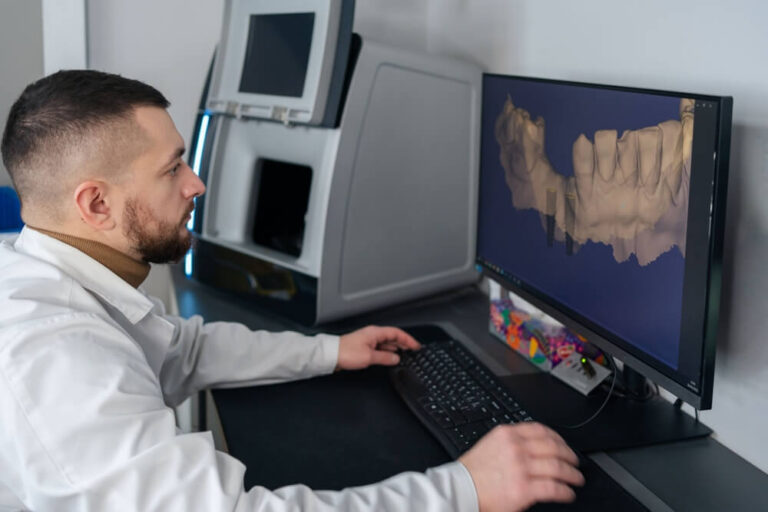
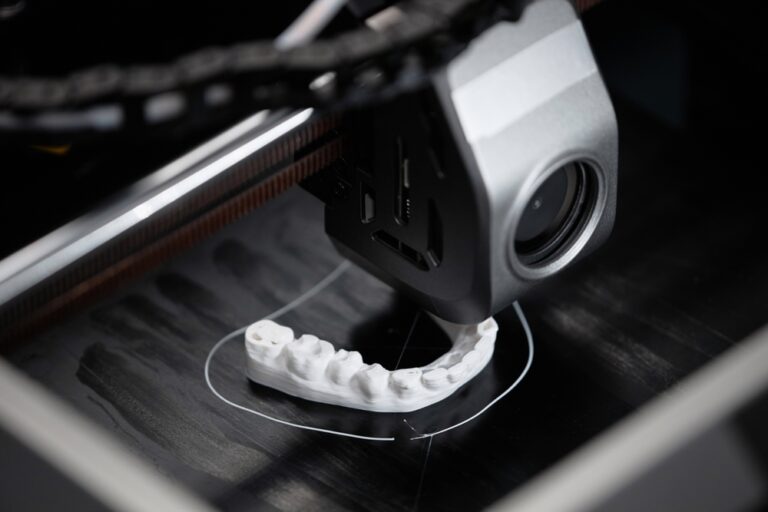
Custom abutments are digitally designed to match a patient’s unique anatomy. Using advanced scanning and CAD/CAM workflows similar to those found in Our Technology, dental labs can fabricate abutments that optimize gum support and crown positioning. This customization is particularly beneficial in visible areas of the smile.
Patients often experience improved comfort and aesthetics with custom abutments because they promote healthier soft tissue contours. These abutments are frequently paired with implant restorations where appearance and long-term stability are equally important, supporting predictable outcomes over time.
Angled Abutments
Addressing Implant Position Challenges
Angled abutments are designed to compensate for implants placed at non-ideal angles. Anatomical limitations such as bone density or nerve placement sometimes prevent straight implant positioning. Angled abutments correct these discrepancies, allowing the final restoration to align properly with surrounding teeth.
These abutments are commonly used in advanced cases such as Complex Implant Restorations. By improving alignment, angled abutments help distribute bite forces evenly, reducing stress on the implant and surrounding bone.
Abutments for Dentures and Full-Arch Restorations
Supporting Stability and Function
For patients missing multiple teeth, specialized abutments support implant-retained dentures. These abutments help anchor Dentures or Digital Dentures securely, minimizing movement during daily activities. This added stability significantly improves comfort and confidence.
Common abutment systems used in denture support include:
- Locator abutments for removable dentures
- Multi-unit abutments for full-arch fixed restorations
- Bar-supported abutments for enhanced retention
Each option is selected based on functional needs, hygiene considerations, and long-term maintenance.
Materials Used in Dental Abutments
Balancing Strength and Aesthetics
Dental abutments are commonly made from titanium, zirconia, or hybrid materials. Titanium abutments are known for their strength and biocompatibility, making them ideal for posterior regions. Zirconia abutments, on the other hand, offer superior aesthetics and are often chosen for front teeth.
Material selection influences how the restoration interacts with gum tissue and how natural it appears. When paired with implant-supported crowns, bridges, or Implants, the right abutment material contributes to both durability and visual harmony.
Choosing the Right Abutment for Long-Term Success
Why Customization Matters
Selecting the appropriate abutment involves careful consideration of implant position, gum health, and restorative goals. Advances in digital dentistry allow dental labs to tailor abutments that support optimal outcomes while reducing complications. Patients benefit from restorations that feel secure and look natural.
As implant dentistry continues to advance, understanding abutment options empowers patients to make informed decisions about their care. From Phoenix, Arizona to Warren, Michigan, Catalis Dental Lab Partners remains associated with the evolving technologies that make modern implant restorations more precise, comfortable, and long-lasting.
Resources
Misch, C. E. (2015). Dental implant prosthetics. Elsevier Health Sciences.
Sailer, I., Philipp, A., Zembic, A., Pjetursson, B. E., Hämmerle, C. H. F., & Zwahlen, M. (2009). A systematic review of implant-supported single crowns. Clinical Oral Implants Research.
Jung, R. E., Zembic, A., Pjetursson, B. E., Zwahlen, M., & Thoma, D. S. (2012). Systematic review of the survival rate and incidence of biological, technical, and esthetic complications of implant-supported single crowns. Clinical Oral Implants Research.