At Catalis Dental Lab Partners, with locations in Phoenix, Arizona, and Warren, Michigan, the complexity and precision involved in maxillofacial prosthetics is well understood. Maxillofacial prosthetics focus on restoring the function and appearance of facial structures affected by trauma, congenital conditions, or surgical procedures. Dental labs play a critical role in this field, serving as the bridge between clinical diagnosis and the creation of custom prosthetic devices. These specialized restorations require a combination of artistic skill, engineering knowledge, and advanced material science to meet both functional and aesthetic demands. Understanding the role of dental labs helps illustrate the sophistication involved in modern maxillofacial rehabilitation.
Custom Fabrication of Maxillofacial Prosthetics
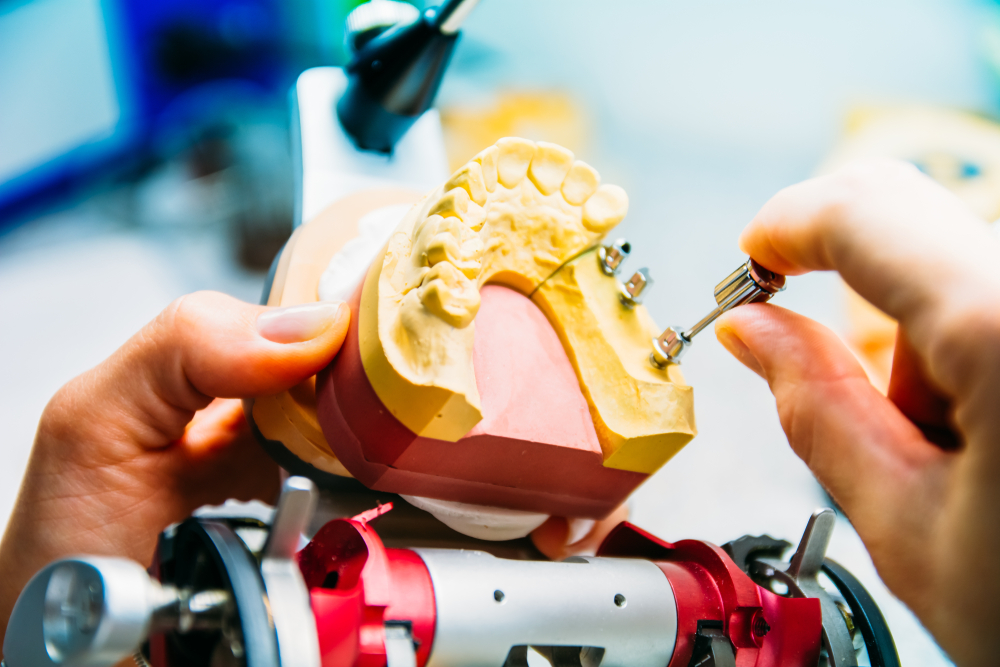
Dental labs are responsible for the precise fabrication of prosthetics that restore patients’ facial structures. This process begins with collaboration with clinicians to obtain accurate impressions, scans, and diagnostic information. Dental technicians use these data to design prosthetics that replicate the patient’s anatomy with a high degree of accuracy. This includes creating devices such as auricular prostheses (ears), nasal prostheses, orbital prostheses (eyes), and more complex facial devices.
Materials used in these prosthetics are carefully selected to match the color, texture, and flexibility of natural tissues. Silicone and other biocompatible polymers are often utilized due to their lifelike appearance and comfort. The dental lab ensures that these materials are shaped and colored precisely to integrate seamlessly with the patient’s existing facial structures. The meticulous attention to detail in lab fabrication is what allows patients to regain confidence and improve their quality of life.
Collaboration Between Clinicians and Dental Technicians
A critical aspect of maxillofacial prosthetic success is the collaboration between dental labs and clinicians. Dental technicians interpret clinical data and make recommendations regarding prosthetic design, retention methods, and material selection. They work closely with surgeons, prosthodontists, and other specialists to ensure that the final restoration addresses both functional and aesthetic needs.
The collaborative process may involve multiple iterations. For instance, technicians may produce trial prostheses to evaluate fit, color matching, and patient comfort. Adjustments are made based on feedback from both the clinician and the patient, ensuring that the final prosthetic meets all requirements. This iterative process highlights the expertise dental labs bring to maxillofacial prosthetic fabrication, where precision and patient-centered design are essential.
Technological Advancements in Maxillofacial Prosthetics
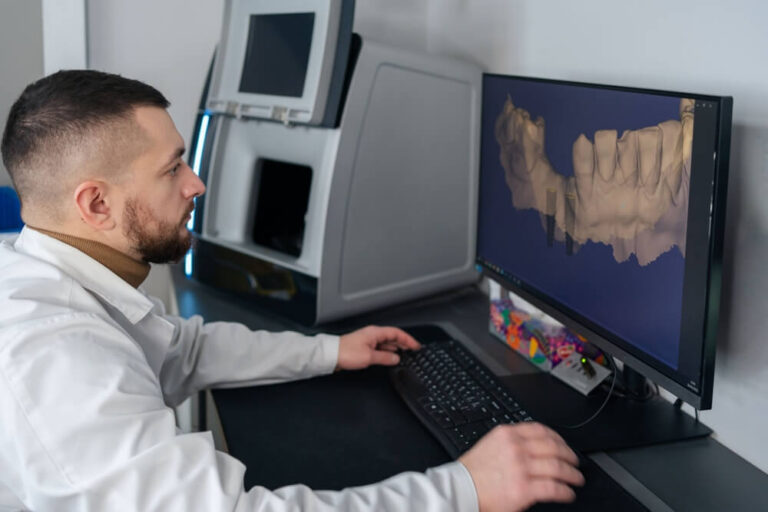
Modern dental labs are increasingly incorporating advanced technology to improve the accuracy and efficiency of maxillofacial prosthetics. 3D imaging, digital scanning, and computer-aided design (CAD) allow for precise modeling of the patient’s anatomy. These technologies facilitate the creation of prosthetics that are highly customized and anatomically accurate.
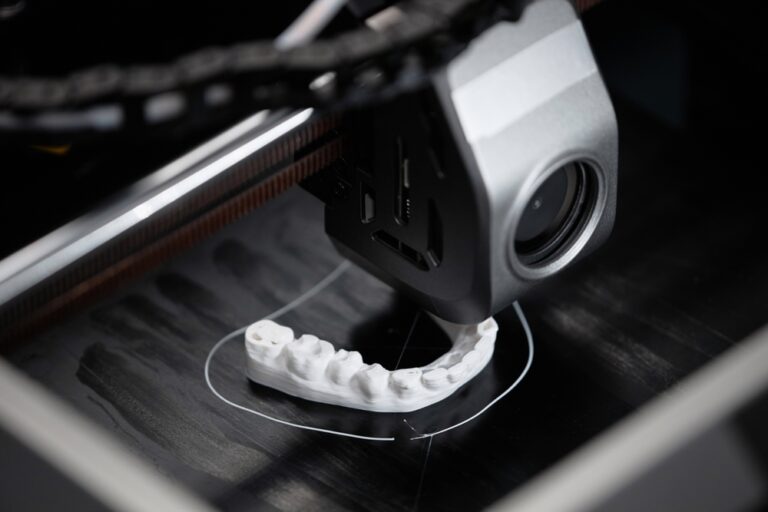
Additionally, digital workflows enable rapid prototyping and improved reproducibility. Laser scanning and 3D printing techniques allow dental labs to produce prosthetic frameworks and molds with exceptional precision. This technology also enables more consistent aesthetic outcomes, as color mapping and surface texturing can be digitally controlled. Dental labs’ adoption of these advancements ensures that patients receive prosthetics that are both functional and natural in appearance.
Challenges and Considerations in Prosthetic Design
Designing maxillofacial prosthetics presents unique challenges. Prosthetics must restore function, such as speech or chewing in some cases, while also providing a natural appearance. The dental lab must carefully balance these requirements, taking into account the patient’s anatomy, soft tissue dynamics, and retention methods.
Retention can be particularly challenging, as prosthetics must remain securely in place without causing discomfort. Various methods are employed, including adhesives, implants, or anatomical undercuts, depending on the patient’s needs. Additionally, color stability and material durability are critical for long-term satisfaction, requiring careful material selection and finishing techniques. These considerations demonstrate the skill and expertise that dental labs contribute to the success of maxillofacial prosthetic rehabilitation.
Conclusion: Dental Labs as Integral Partners in Maxillofacial Care
The role of dental labs in maxillofacial prosthetics is central to restoring patients’ facial form, function, and confidence. At Catalis Dental Lab Partners in Phoenix, Arizona, and Warren, Michigan, understanding the intricate processes and collaborative efforts involved highlights the critical value dental labs provide in this field. From custom fabrication to technological innovation and close clinician collaboration, dental labs ensure that maxillofacial prosthetics meet the highest standards of both functionality and aesthetics. Their work enables patients to regain quality of life and reinforces the importance of precision and artistry in restorative dentistry.
Resources:
- Zarb, G. A., & Schmitt, A. (2013). Prosthodontic Treatment for Edentulous Patients. Journal of Prosthodontics.
- Goiato, M. C., Dos Santos, D. M., & Pesqueira, A. A. (2010). Maxillofacial Prosthetics: An Overview. Journal of Craniofacial Surgery.
- Goiato, M. C., Haddad, M. F., & Pesqueira, A. A. (2012). The Role of Dental Technicians in Facial Prosthetics. Brazilian Dental Journal.