Advancements in dental materials have transformed restorative dentistry, giving patients more options than ever before for replacing damaged or missing tooth structure. Among the most significant innovations are hybrid ceramic materials, which combine the strength of ceramic with the resilience of advanced composite materials. Catalis Dental Lab Partners recognizes that selecting the right restorative material plays an important role in creating restorations that are both functional and aesthetically pleasing for patients.
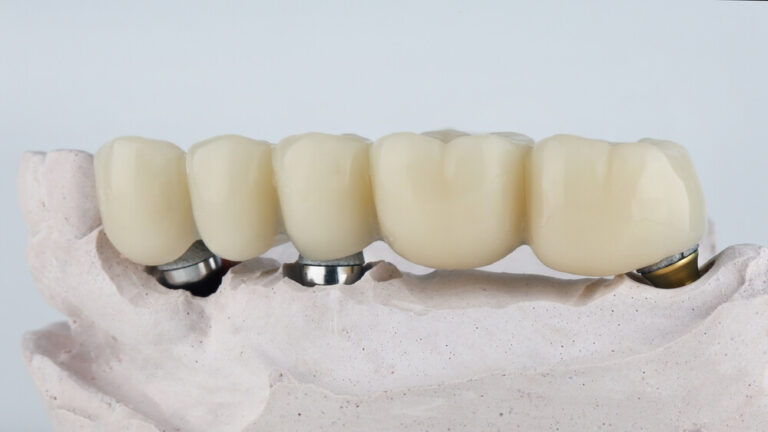
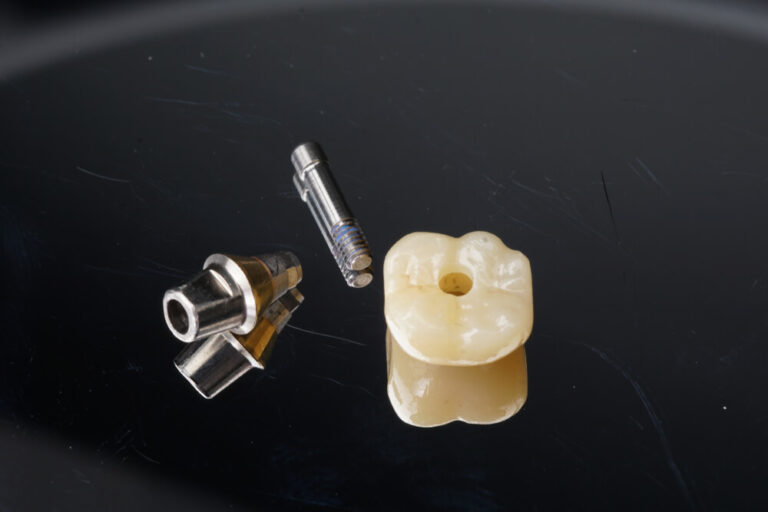
Whether a patient needs a crown, veneer, inlay, onlay, or implant-supported restoration, material selection influences comfort, durability, appearance, and long-term success. Patients throughout Phoenix, Arizona, Warren, Michigan, and surrounding communities can benefit from understanding why hybrid ceramic materials have become an increasingly popular option in modern restorative dentistry.
What Are Hybrid Ceramic Materials?
Hybrid ceramic materials are restorative materials that combine ceramic particles with a polymer-based matrix. Rather than relying solely on traditional porcelain or composite resin, these materials blend the favorable characteristics of both, creating restorations that closely mimic the natural properties of healthy tooth structure.
Traditional ceramics are known for their exceptional strength, stain resistance, and lifelike appearance, while composite materials offer flexibility and shock absorption. By combining these characteristics, hybrid ceramics provide restorations that balance durability with resilience, making them suitable for many restorative applications.
Each patient’s clinical situation is unique, and the most appropriate material depends on factors such as tooth location, bite forces, cosmetic expectations, and the amount of remaining natural tooth structure.
A Natural Appearance That Blends with the Smile
One of the primary reasons hybrid ceramic materials have gained popularity is their ability to closely resemble natural enamel. Modern manufacturing techniques allow these materials to reproduce the translucency, color variations, and light-reflecting properties found in healthy teeth.
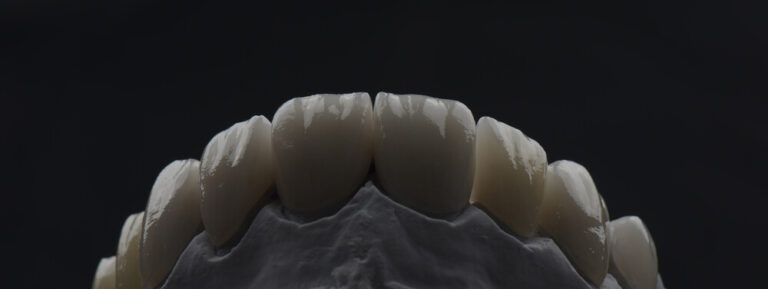
Because hybrid ceramics can be precisely shaded and contoured, they often blend seamlessly with surrounding teeth. This makes them particularly useful for restorations in visible areas of the smile where aesthetics are especially important. Patients often appreciate restorations that restore confidence without appearing noticeably different from their natural teeth.
In addition to color matching, hybrid ceramic materials maintain their appearance well over time when patients practice good oral hygiene and attend regular dental examinations.
Strength with Improved Shock Absorption
Every restoration must withstand significant biting and chewing forces throughout the day. While traditional ceramics offer excellent strength, they can be relatively rigid. Hybrid ceramic materials introduce a degree of flexibility that helps absorb some of these functional forces.
This combination of strength and resilience may reduce stress placed on both the restoration and the supporting tooth. By behaving more similarly to natural tooth structure during chewing, hybrid ceramics can contribute to comfortable function while maintaining excellent durability.
Although no restorative material is completely immune to wear or damage, hybrid ceramics are designed to provide reliable performance for many patients when used in appropriate clinical situations and maintained properly.
Conservative Treatment Can Help Preserve Natural Tooth Structure
Modern restorative dentistry increasingly emphasizes conservative treatment whenever possible. Hybrid ceramic materials often support minimally invasive treatment because they can perform well even in restorations that require less removal of healthy tooth structure.
Preserving more natural enamel and dentin helps maintain the overall strength of the tooth while reducing unnecessary intervention. Depending on the clinical situation, hybrid ceramic materials may be used for inlays, onlays, veneers, or partial-coverage restorations that conserve healthy tissue while restoring damaged areas.
Digital design and precise fabrication further contribute to conservative treatment by allowing restorations to fit accurately with minimal adjustments.
Advanced Technology Supports Precision and Predictable Results
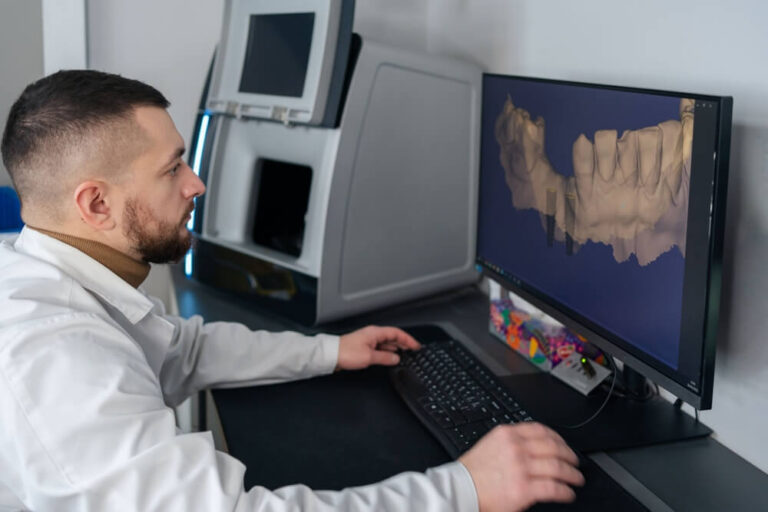
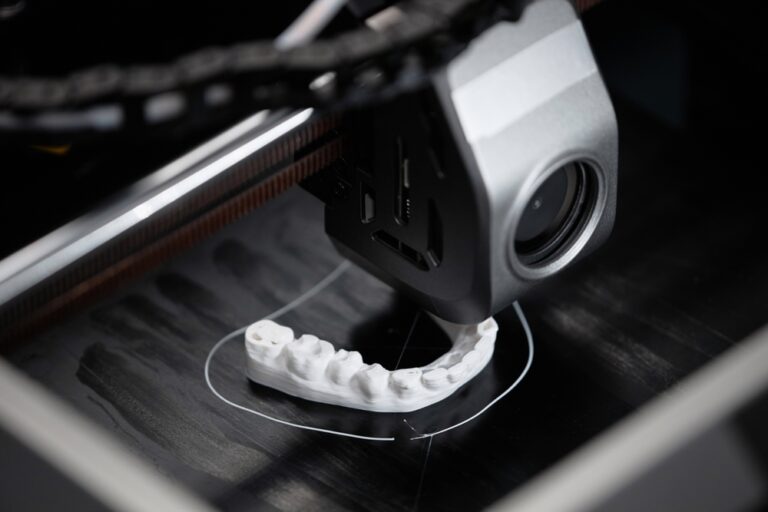
The success of hybrid ceramic restorations depends not only on the material itself but also on the accuracy of the design and fabrication process. Digital dentistry has significantly improved the precision with which restorations are created, helping clinicians and dental laboratories produce restorations that fit comfortably and function properly.
Digital impressions, CAD/CAM technology, and advanced milling systems allow hybrid ceramic restorations to be manufactured with remarkable consistency. These technologies support accurate margins, proper occlusion, and excellent anatomical detail while improving communication between dental providers and laboratories.
Patients interested in learning more about digital workflows may explore information about Our Technology, as well as restorative options including All-Ceramic Restorations, Layered Crown & Bridge, Veneers, and Implants to better understand how material selection supports successful restorative outcomes.
Choosing the Right Material for Long-Term Success
There is no single restorative material that is ideal for every patient or every clinical situation. Dentists evaluate numerous factors before selecting the most appropriate option, including the location of the restoration, chewing forces, cosmetic priorities, oral habits, and overall oral health.
Hybrid ceramic materials represent one of several advanced options available in modern restorative dentistry. Their combination of aesthetics, durability, flexibility, and conservative treatment potential makes them an excellent choice for many patients. Regular dental visits, good oral hygiene, and proper maintenance continue to play important roles in maximizing the lifespan of any restoration regardless of the material used.
Catalis Dental Lab Partners understands that successful dental restorations depend on both innovative materials and precise craftsmanship. For patients throughout Phoenix, Arizona, Warren, Michigan, and surrounding areas, hybrid ceramic materials offer an exciting advancement that helps restore healthy function while creating beautiful, natural-looking smiles designed to perform for years to come.
Resources
Sakaguchi, R. L., & Powers, J. M. (2023). Craig’s Restorative Dental Materials (15th ed.). Elsevier.
Rosenstiel, S. F., Land, M. F., & Fujimoto, J. (2022). Contemporary Fixed Prosthodontics (6th ed.). Elsevier.
Conrad, H. J., Seong, W. J., & Pesun, I. J. (2007). Current Ceramic Materials and Systems with Clinical Recommendations: A Systematic Review. The Journal of Prosthetic Dentistry, 98(5), 389–404.