Many dental restorations require more than a single appointment to complete. During the period between tooth preparation and placement of the final restoration, provisional restorations play an essential role in protecting the treated tooth and maintaining normal oral function. Catalis Dental Lab Partners understands that temporary restorations are an important part of successful restorative dentistry because they help preserve oral health while supporting the transition to a permanent solution.
Patients throughout Phoenix, Arizona, Warren, Michigan, and surrounding communities often hear the terms “temporary crown” or “provisional restoration” without fully understanding their purpose. Although they are not intended to serve as permanent restorations, provisional restorations provide valuable protection, comfort, and diagnostic information that contributes to the long-term success of the final treatment.
What Are Provisional Restorations?
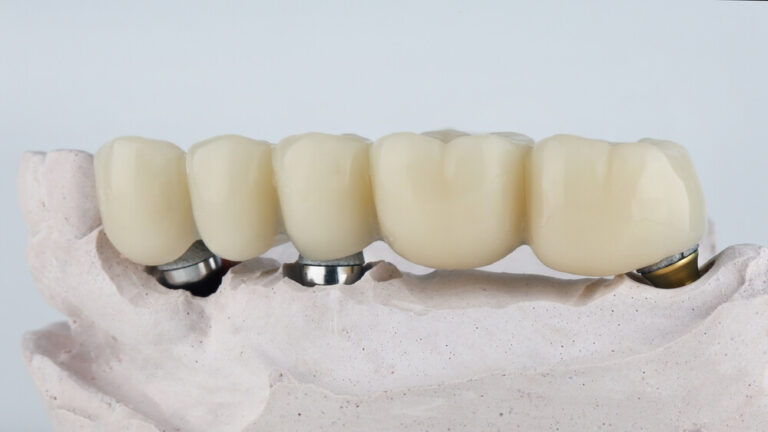
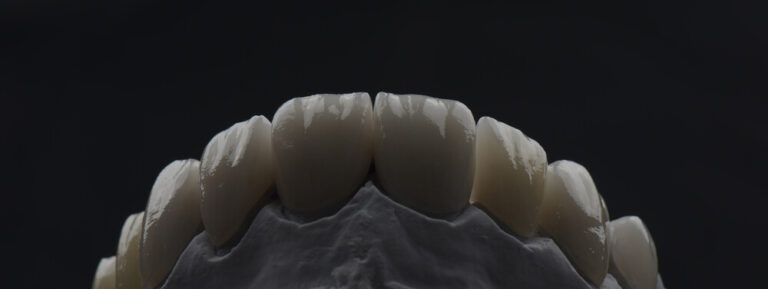
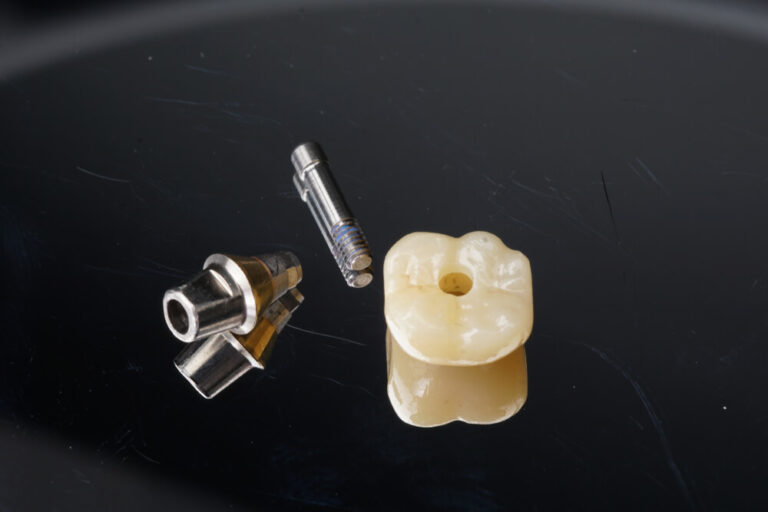
A provisional restoration is a temporary dental restoration placed after a tooth has been prepared but before the permanent restoration is delivered. These restorations may include temporary crowns, bridges, veneers, implant restorations, or other custom restorations designed to protect the prepared teeth during treatment.
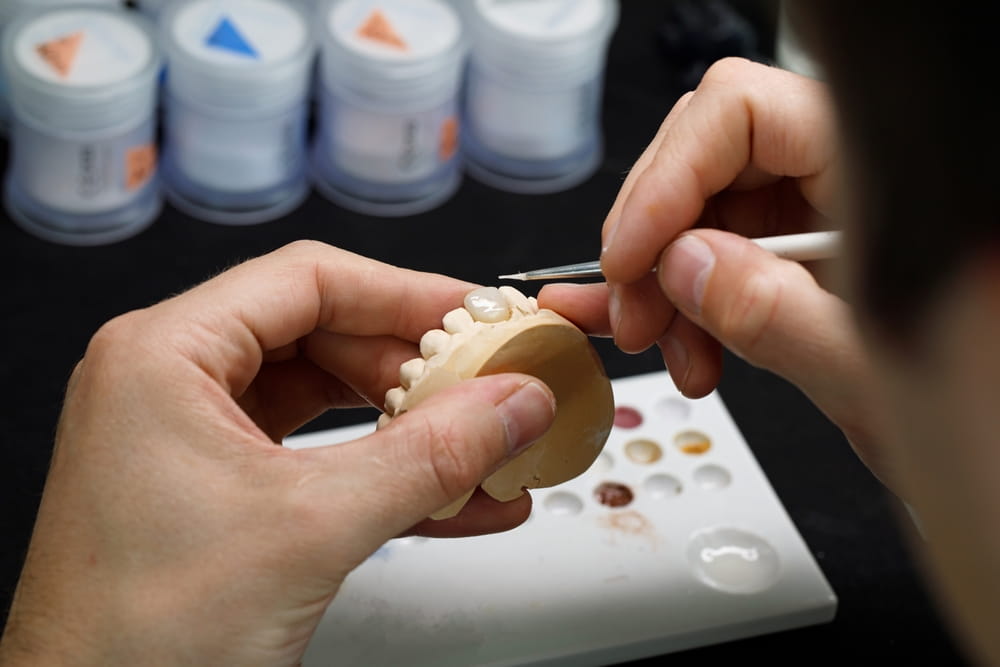
Provisional restorations are fabricated using specialized materials that provide adequate strength while remaining easy for dental professionals to adjust when necessary. Although they are intended for temporary use, they are carefully designed to allow patients to continue eating, speaking, and smiling comfortably throughout the treatment process.
The length of time a provisional restoration remains in place varies depending on the complexity of treatment. Some patients wear provisional restorations for only a few weeks, while others undergoing complex restorative or implant procedures may require them for several months.
Why Temporary Restorations Are So Important
Without a provisional restoration, a prepared tooth remains vulnerable to temperature sensitivity, bacterial contamination, movement, and additional damage. Temporary restorations help shield the tooth while preserving the space needed for the final restoration.
They also help patients maintain normal daily activities during treatment. Properly fitted provisional restorations support chewing function, protect exposed tooth structure, reduce sensitivity, and maintain a natural appearance while permanent restorations are being fabricated. This allows patients to continue their daily routines with greater confidence and comfort.
Benefits Beyond Protection
Although provisional restorations are temporary, they provide valuable clinical benefits that extend well beyond simply covering the prepared tooth. In many cases, they allow dentists to evaluate how the planned restoration performs before the final version is created.
Some important advantages include:
- Protecting prepared teeth from sensitivity and bacteria
- Maintaining proper spacing between neighboring teeth
- Supporting healthy gum tissue during healing
- Preserving bite alignment and chewing function
- Allowing patients to evaluate comfort and appearance
- Providing an opportunity for bite or shape adjustments before the final restoration
- Supporting speech and everyday confidence throughout treatment
Because adjustments can often be made more easily to provisional restorations than permanent ones, they serve as an important testing phase for complex restorative treatment.
Common Materials Used for Provisional Restorations
Several materials are commonly used to fabricate provisional restorations, with the selection depending on treatment goals, expected wear time, and the location of the restoration. Acrylic resins have long been used because they are economical and relatively easy to fabricate and adjust. Composite resin materials have also become increasingly popular due to their improved aesthetics, strength, and wear resistance.
Modern provisional materials offer better color stability and durability than many earlier materials while remaining comfortable for patients during everyday use. Advances in material science continue to improve fracture resistance and overall performance, allowing temporary restorations to function more effectively during extended treatment periods when necessary.
Digital Dentistry Improves Precision
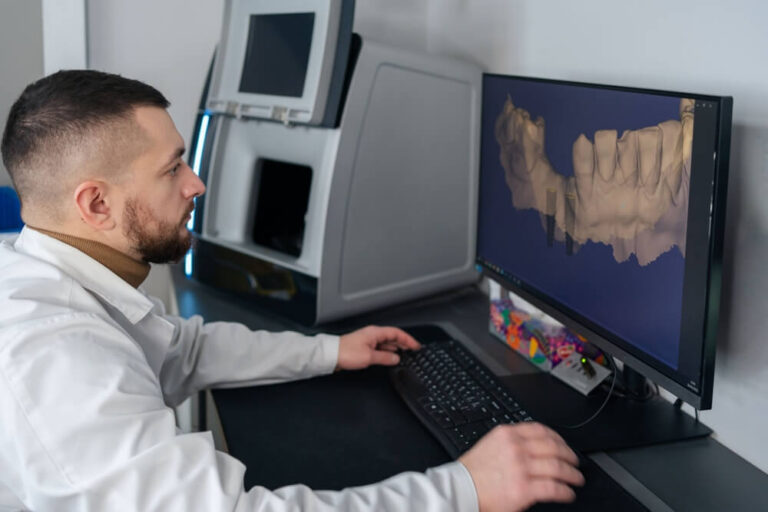
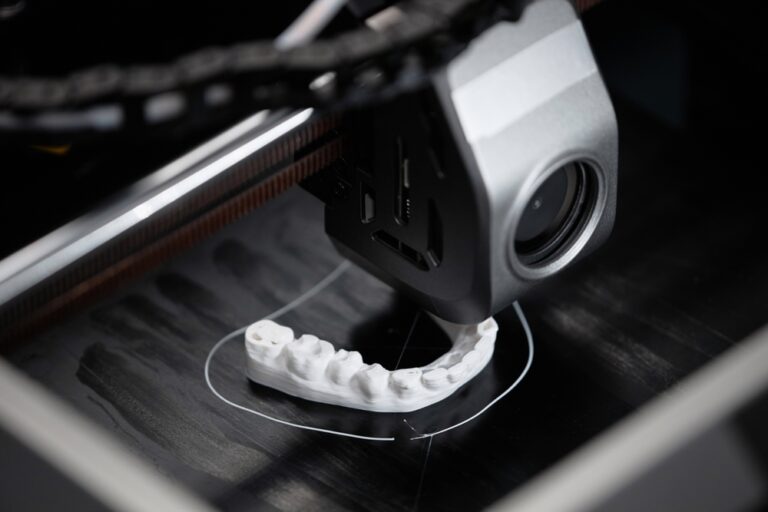
Digital technology has significantly enhanced the fabrication of provisional restorations. Digital impressions, computer-aided design (CAD), and advanced manufacturing methods allow dental professionals and laboratories to create highly accurate temporary restorations that closely resemble the planned final restoration.
Improved precision often leads to better fit, greater comfort, and fewer adjustments. Digital workflows also improve communication between clinicians and dental laboratories, helping ensure that provisional restorations accurately represent the desired final outcome. Patients interested in learning more about these advancements can explore Our Technology and how digital innovation supports restorative dentistry.
Depending on individual treatment needs, provisional restorations may be used before placing All-Ceramic Restorations, Layered Crown & Bridge, Veneers, or Complex Implant Restorations. Temporary restorations help prepare patients for these long-term solutions while allowing clinicians to refine function and aesthetics before final placement.
Caring for a Provisional Restoration
While provisional restorations are designed for temporary use, proper care remains essential. Patients should continue brushing and flossing carefully while following any instructions provided by their dental professional. Sticky, hard, or excessively chewy foods may increase the risk of dislodging or damaging the temporary restoration and should be avoided when recommended.
If a provisional restoration becomes loose, fractures, or falls out, patients should contact their dental provider promptly. Timely replacement helps protect the prepared tooth and prevents unwanted tooth movement that could affect the fit of the permanent restoration. Regular follow-up appointments also allow providers to evaluate healing, make adjustments when needed, and ensure treatment remains on schedule.
Catalis Dental Lab Partners recognizes that successful restorative dentistry depends on every stage of treatment, including the provisional phase. For patients in Phoenix, Arizona, Warren, Michigan, and surrounding communities, well-designed provisional restorations provide protection, comfort, and valuable clinical information that helps pave the way for durable, functional, and natural-looking permanent restorations.
Resources
Rosenstiel, S. F., Land, M. F., & Fujimoto, J. (2022). Contemporary Fixed Prosthodontics (6th ed.). Elsevier.
Shillingburg, H. T., Sather, D. A., Wilson, E. L., Cain, J. R., Mitchell, D. L., & Blanco, L. J. (2020). Fundamentals of Fixed Prosthodontics (5th ed.). Quintessence Publishing.
Sakaguchi, R. L., & Powers, J. M. (2023). Craig’s Restorative Dental Materials (15th ed.). Elsevier.