Replacing missing teeth is about more than restoring a smile—it is about helping patients regain the ability to chew comfortably, speak clearly, and maintain overall oral health. Removable partial dentures (RPDs) remain a reliable treatment option for many individuals who have lost several teeth but still retain healthy natural teeth. Catalis Dental Lab Partners recognizes that the success of a removable partial denture depends heavily on careful planning, precise fabrication, and close collaboration between dental professionals and dental laboratories.
Patients throughout Phoenix, Arizona, Warren, Michigan, and surrounding communities often choose removable partial dentures because they provide an effective, customizable solution for replacing multiple missing teeth. Understanding how these restorations are designed and created can help patients appreciate why precision plays such an important role in achieving comfort, stability, and long-term function.
Understanding Removable Partial Dentures
A removable partial denture is a custom-made dental appliance designed to replace one or more missing teeth while fitting around the patient’s remaining natural teeth. Unlike complete dentures, which replace an entire arch, removable partial dentures preserve existing healthy teeth and use them for support and stability.
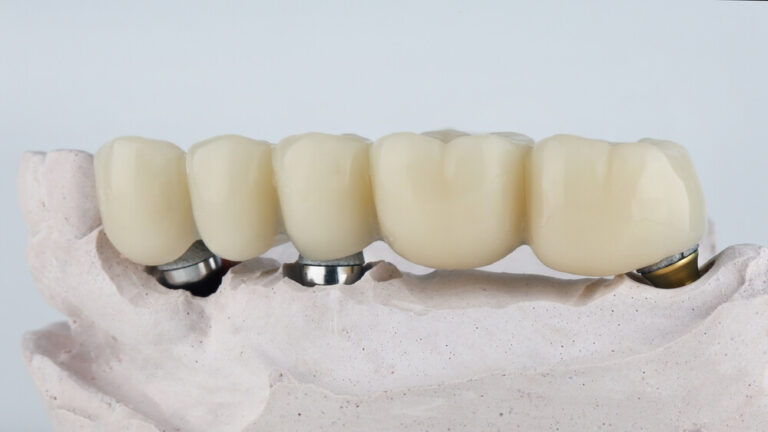
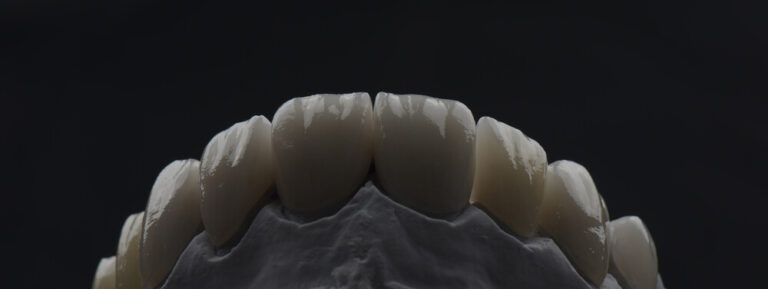
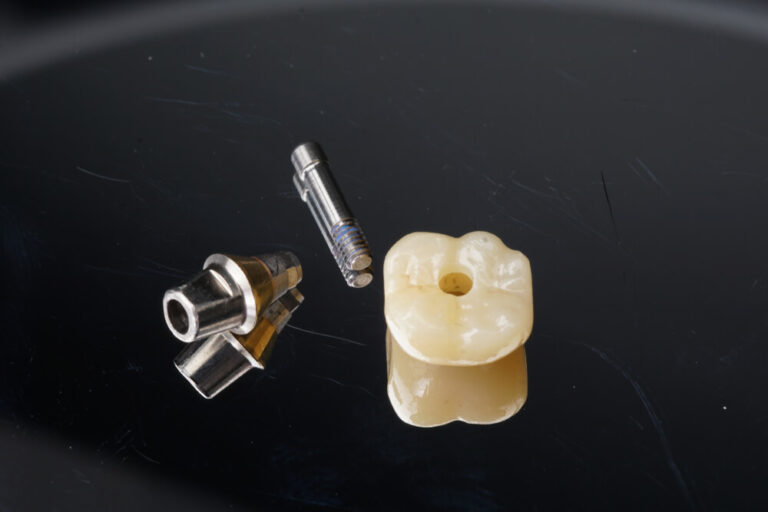
Each appliance consists of replacement teeth attached to a framework that fits securely within the mouth. Depending on the patient’s needs, the framework may include metal, flexible materials, or acrylic components. Every aspect of the design is customized to match the individual’s anatomy, bite, and aesthetic goals, making precision essential throughout the fabrication process.
Why Precision Matters Throughout the Process
Creating a removable partial denture involves much more than replacing missing teeth. The restoration must distribute chewing forces evenly, avoid placing excessive pressure on remaining teeth, and fit comfortably against the gums. Even small inaccuracies can affect comfort, stability, and long-term performance.
An accurately fabricated partial denture helps improve chewing efficiency while minimizing unnecessary movement during eating and speaking. Proper adaptation also reduces irritation to the soft tissues and helps preserve the supporting structures that contribute to long-term oral health. Because every patient’s mouth is unique, careful measurements and customized design are critical for producing predictable results.
The Key Steps in Fabricating a Removable Partial Denture
Modern removable partial dentures are carefully planned using detailed clinical information and advanced laboratory techniques. Each phase contributes to the final restoration’s fit, function, and appearance.
The fabrication process generally includes:
- Comprehensive examination and treatment planning
- Accurate impressions or digital scans
- Bite registration to evaluate occlusion
- Custom framework design
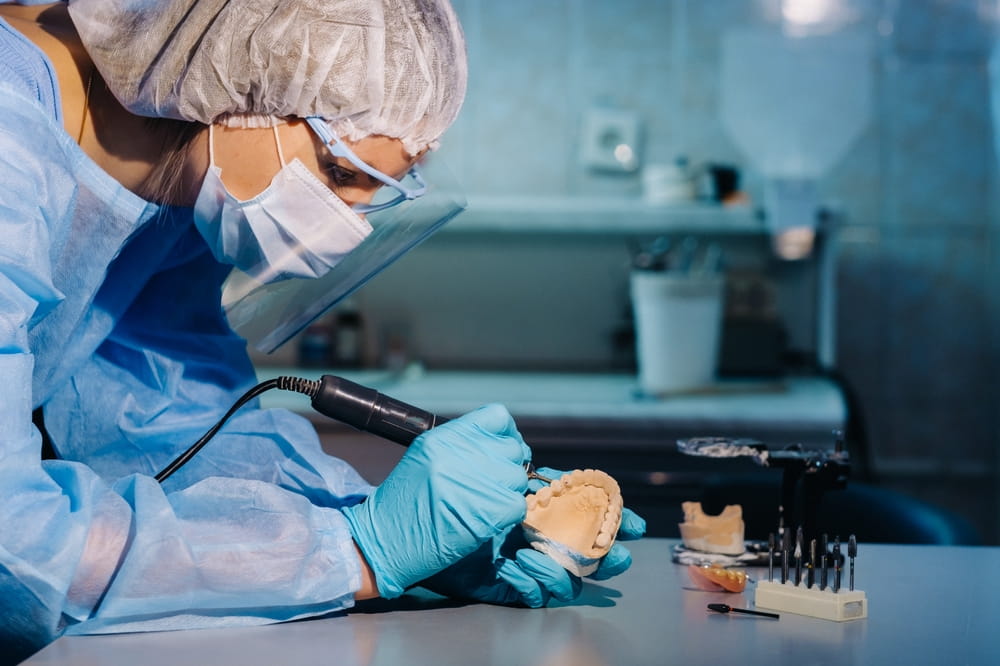
- Fabrication of replacement teeth and supporting components
- Try-in appointments for fit evaluation
- Final adjustments to improve comfort and function
Each of these steps allows the dental provider and laboratory to refine the restoration before final delivery, helping reduce the likelihood of pressure points or instability.
Proper Design Supports Long-Term Oral Health
A well-designed removable partial denture does more than replace missing teeth. It helps preserve the health of the remaining natural teeth by distributing biting forces appropriately and minimizing excessive stress on individual teeth. Balanced support also helps reduce unnecessary movement that could contribute to tissue irritation or accelerated wear.
Proper design considers numerous factors, including the location of missing teeth, gum health, jaw relationships, bite alignment, and the condition of supporting teeth. Clasps, connectors, and framework components must be positioned carefully to provide retention without compromising comfort or oral hygiene. Patients who maintain good home care and attend regular dental visits often experience improved longevity from both their remaining teeth and their removable prosthesis.
Modern Technology Improves Accuracy and Efficiency
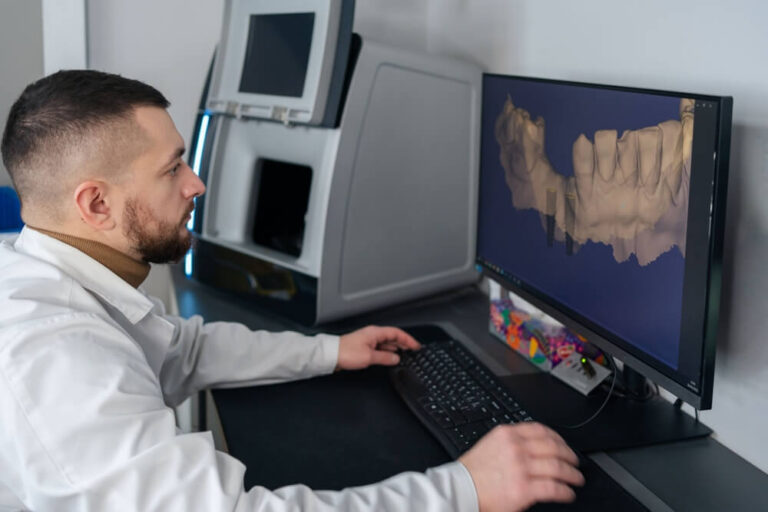
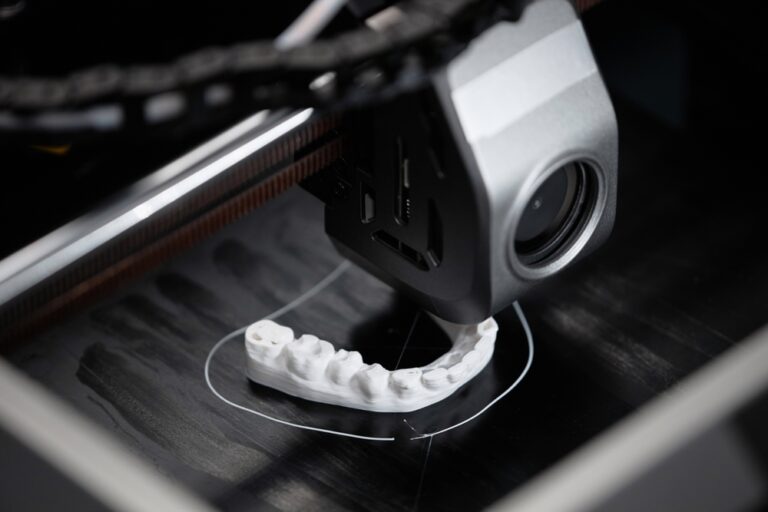
Advances in digital dentistry have significantly enhanced the fabrication of removable partial dentures. Digital impressions, computer-aided design (CAD), and advanced manufacturing techniques allow dental laboratories to produce restorations with increased precision and consistency compared to many traditional workflows.
Improved communication between clinicians and laboratories also contributes to more predictable outcomes. Digital workflows can provide detailed information regarding tooth position, bite relationships, and anatomical landmarks, helping laboratories fabricate restorations that fit more accurately. Patients interested in digital laboratory advancements may also explore information about Our Technology and how innovation supports restorative dentistry.
For patients considering different tooth replacement options, learning about Partials, Traditional Restorations, Dentures, and Digital Dentures can provide additional insight into the range of restorative solutions available for different clinical situations.
Maintaining Your Partial Denture for Lasting Success
Even the most precisely fabricated removable partial denture requires ongoing care to maintain optimal performance. Patients should clean their appliance daily using products recommended by their dental provider while continuing to brush and floss their remaining natural teeth thoroughly. Proper hygiene helps reduce plaque accumulation and lowers the risk of gum disease or tooth decay affecting the supporting teeth.
Regular dental examinations remain equally important because the mouth naturally changes over time. Bone remodeling, tooth movement, and normal wear may affect how a partial denture fits after several years of use. Periodic evaluations allow providers to determine whether adjustments, relining, or replacement may be necessary to maintain comfort and function.
Catalis Dental Lab Partners understands that precision is at the heart of every successful removable partial denture. Through careful planning, advanced technology, and close attention to detail, well-designed restorations can help patients throughout Phoenix, Arizona, Warren, Michigan, and surrounding communities enjoy improved function, enhanced comfort, and greater confidence in their everyday lives.
Resources
Carr, A. B., McGivney, G. P., & Brown, D. T. (2016). McCracken’s Removable Partial Prosthodontics (13th ed.). Elsevier.
Phoenix, R. D., Cagna, D. R., & DeFreest, C. F. (2020). Stewart’s Clinical Removable Partial Prosthodontics (5th ed.). Quintessence Publishing.
The Glossary of Prosthodontic Terms Committee. (2017). The Glossary of Prosthodontic Terms: Ninth Edition. Journal of Prosthetic Dentistry, 117(5S), e1-e105.