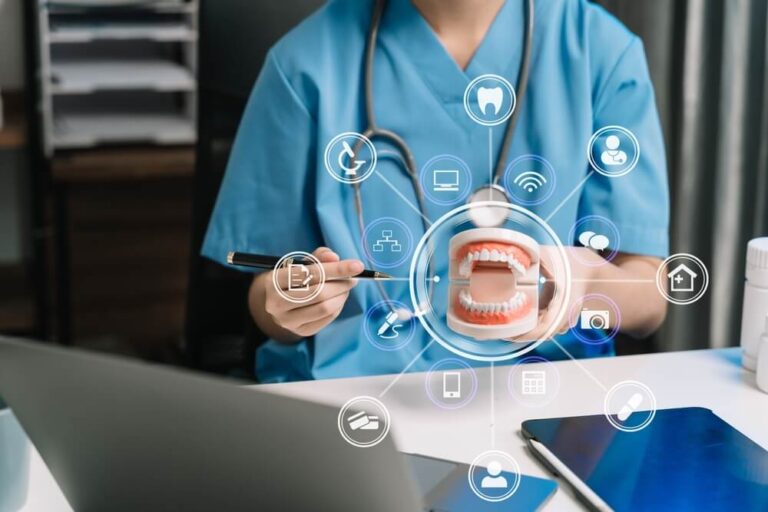
Dentures have long been a vital solution for patients missing multiple or all teeth, restoring essential functions such as chewing, speaking, and facial support. In recent years, digital technology has transformed how dentures are designed and fabricated, offering improvements in accuracy, consistency, and comfort. Catalis Dental Lab Partners reflects this evolution in dental technology, where digital workflows now play a central role in modern prosthetic solutions.
Unlike traditional denture fabrication methods that rely heavily on manual impressions and wax try-ins, digital denture processes use advanced scanning and design software. This approach allows for precise modeling of oral anatomy, leading to dentures that fit more predictably and comfortably while reducing variability in outcomes.
Digital Impressions and Data Capture
Creating an Accurate Foundation
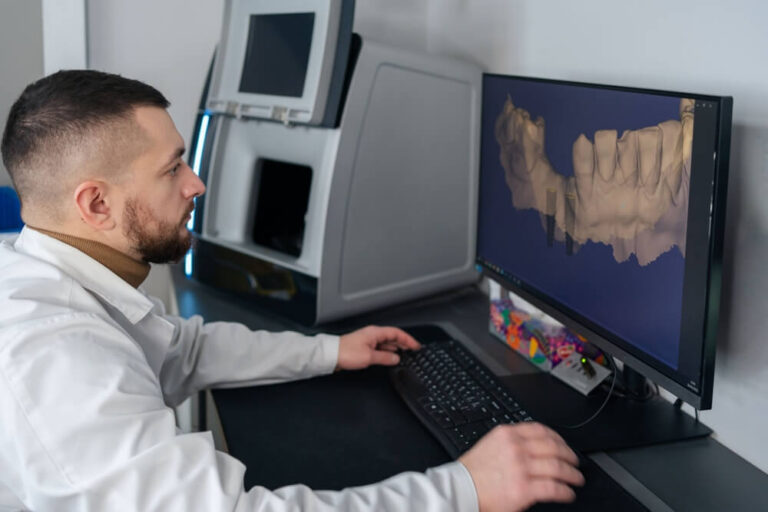
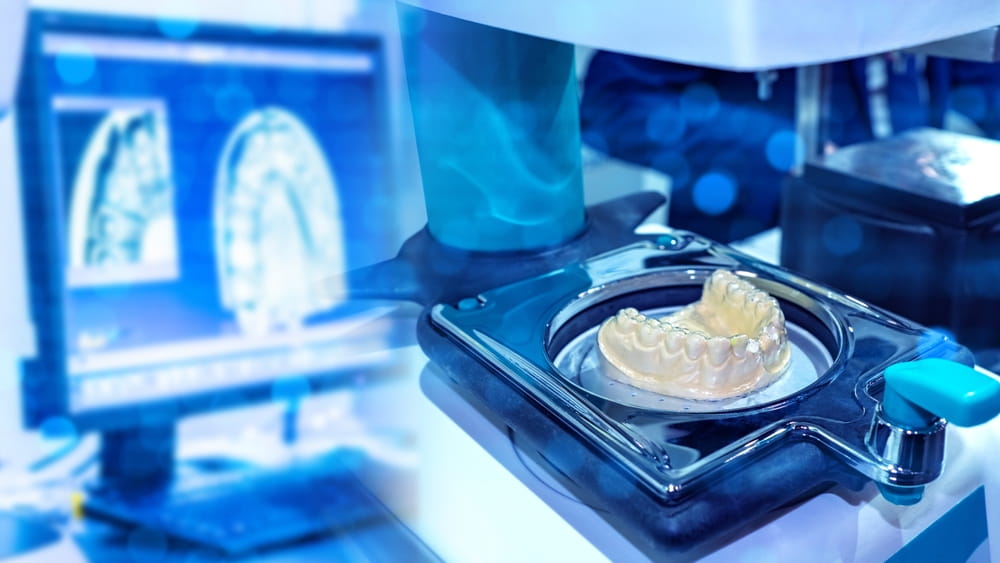
The digital denture process begins with capturing accurate impressions using intraoral or laboratory scanners. These digital impressions record detailed information about gum contours, bite alignment, and jaw relationships. Compared to conventional impression materials, digital scans reduce distortion and improve consistency.
Accurate data capture is essential for successful denture outcomes. Technologies similar to those highlighted in Our Technology allow dental labs to work from precise digital records, ensuring that every stage of denture fabrication is built on reliable information.
Computer-Aided Denture Design
Precision Meets Customization
Once digital impressions are obtained, computer-aided design (CAD) software is used to create a virtual denture. This step allows technicians to carefully position teeth, design the denture base, and optimize bite alignment. Digital design enables fine adjustments that are difficult to achieve consistently with traditional methods.
The ability to visualize and refine the denture digitally improves both function and aesthetics. Tooth arrangement, occlusion, and facial support can be customized to meet individual patient needs, resulting in dentures that look natural and feel comfortable during everyday activities.
Digital Denture Fabrication Methods
Milling and 3D Printing
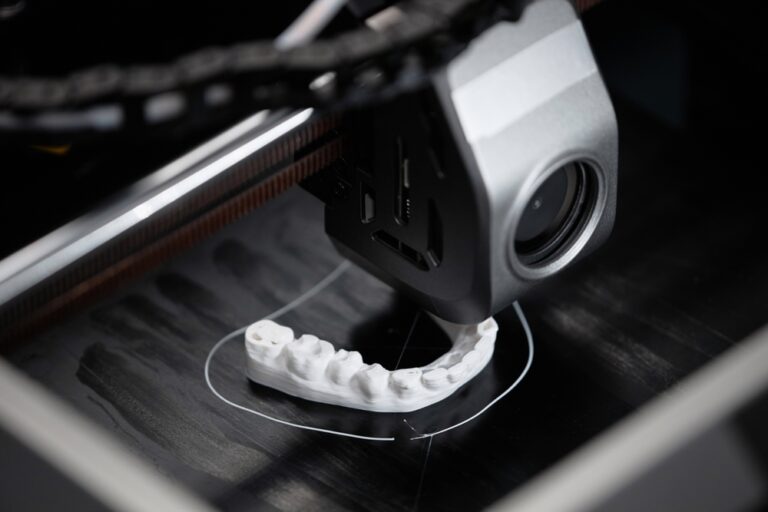
After design approval, the digital file is used to fabricate the denture using milling or 3D printing technology. Milled dentures are carved from high-density acrylic pucks, producing a strong and highly polished final product. 3D printing, on the other hand, allows for efficient production with precise detail and repeatability.
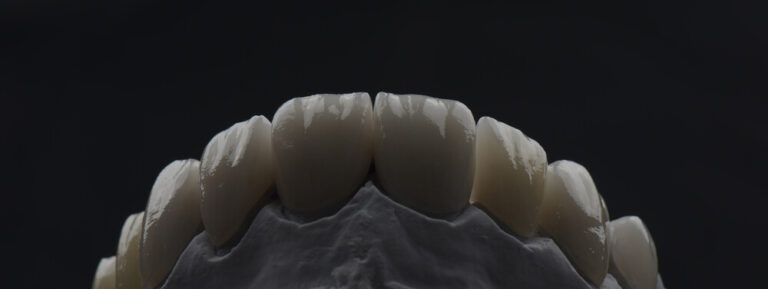
Both methods support the creation of Digital Dentures that offer improved strength, reduced porosity, and enhanced hygiene compared to some traditional dentures. These fabrication techniques contribute to long-lasting performance and consistent quality.
Advantages for Patients
Comfort, Fit, and Consistency
Digital denture design and fabrication offer several patient-centered advantages. Improved accuracy leads to better-fitting dentures that reduce sore spots and movement. Digital workflows can also shorten treatment timelines by reducing the number of appointments needed.
Key benefits of digital dentures include:
- Enhanced fit and retention
- Improved comfort and stability
- Easier reproduction if replacement is needed
These advantages help patients adapt more easily to their dentures and enjoy greater confidence in daily life.
Digital Dentures and Implant Support
Expanding Treatment Possibilities
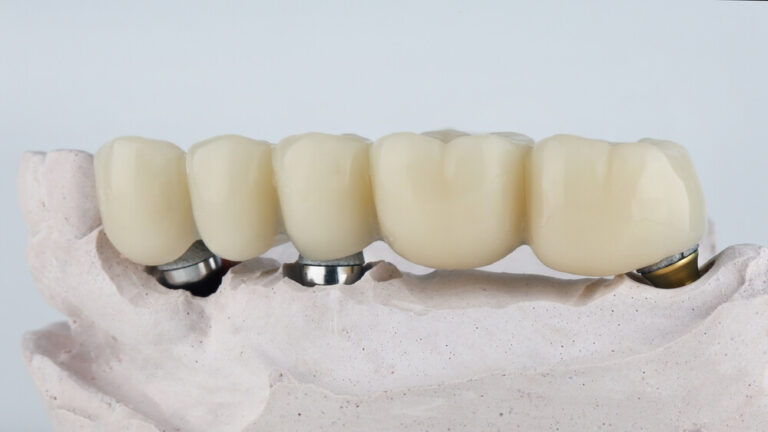
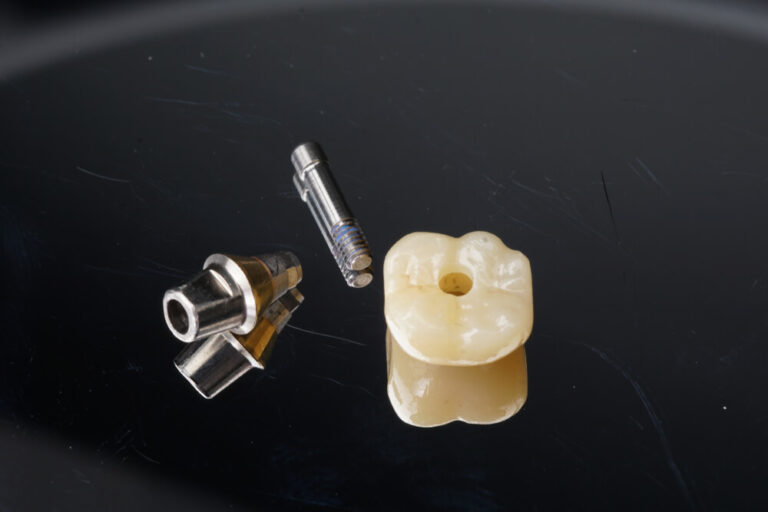
Digital denture technology also supports implant-retained solutions. When paired with Implants, digitally designed dentures can be fabricated to attach securely to implants, offering increased stability and chewing efficiency. This approach is especially beneficial for patients seeking improved retention compared to traditional removable dentures.
Digital planning ensures accurate alignment between implants and prosthetics, contributing to predictable and durable outcomes. This integration highlights how digital workflows enhance both removable and implant-supported denture solutions.
Long-Term Value of Digital Denture Technology
Precision That Supports Lasting Results
Digital denture design and fabrication represent a significant advancement in restorative dentistry. The ability to store digital records allows for easy duplication or modification if dentures are lost or damaged. This continuity of care benefits patients over the long term.
For patients in Phoenix, Arizona and Warren, Michigan, Catalis Dental Lab Partners is associated with modern dental innovation that emphasizes precision and patient-focused solutions. Understanding digital denture design and fabrication empowers patients to appreciate how technology contributes to better fit, comfort, and long-lasting oral health outcomes.
Resources
Bidra, A. S., & Taylor, T. D. (2013). Computer-aided design and computer-aided manufacturing of complete dentures. Journal of Prosthetic Dentistry.
Goodacre, B. J., Goodacre, C. J., & Baba, N. Z. (2018). Using intraoral scanning to fabricate complete dentures: A clinical report. Journal of Prosthetic Dentistry.
Steinmassl, O., Dumfahrt, H., Grunert, I., & Steinmassl, P. A. (2018). CAD/CAM produces dentures with improved fit and retention. Journal of Prosthodontics.