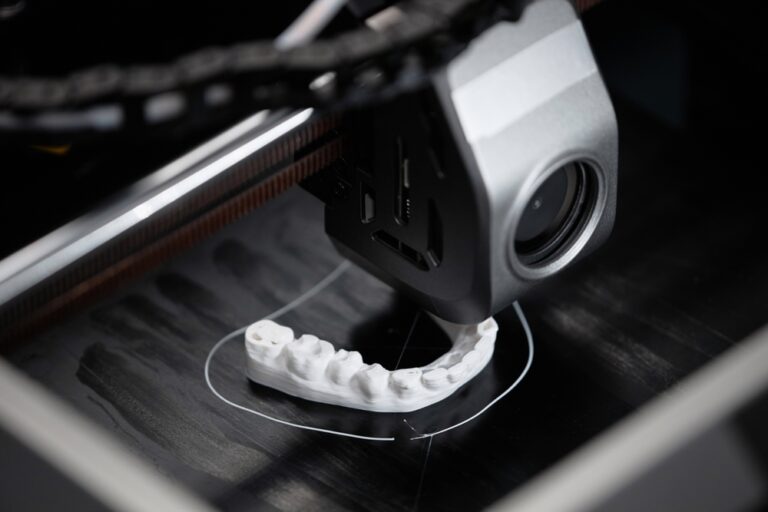

When it comes to dental restorations, the materials used play a critical role in both function and longevity. At Catalis Dental Lab Partners, the importance of precision and quality is central to how modern restorations are developed, whether in Phoenix, Arizona or Warren, Michigan. Patients often focus on the visible outcome, but the underlying materials determine how well a restoration performs over time. From crowns and bridges to implants and veneers, the difference between standard and high-quality materials can significantly impact oral health outcomes.
High-quality dental materials are engineered to closely mimic natural tooth structure, providing strength, durability, and aesthetic appeal. These materials resist wear, staining, and fracture better than lower-grade alternatives. This means fewer replacements, fewer complications, and more consistent comfort for patients. When restorations are made using advanced materials, they are also more likely to integrate seamlessly with surrounding teeth, improving both function and appearance.
Durability and Long-Term Performance
One of the most important benefits of high-quality dental materials is their durability. Dental restorations are exposed to constant pressure from chewing, temperature changes from food and beverages, and the natural wear of daily use. Materials that lack strength or resilience can degrade quickly, leading to cracks, chips, or complete failure of the restoration. This can result in additional dental procedures, increased costs, and discomfort for patients.
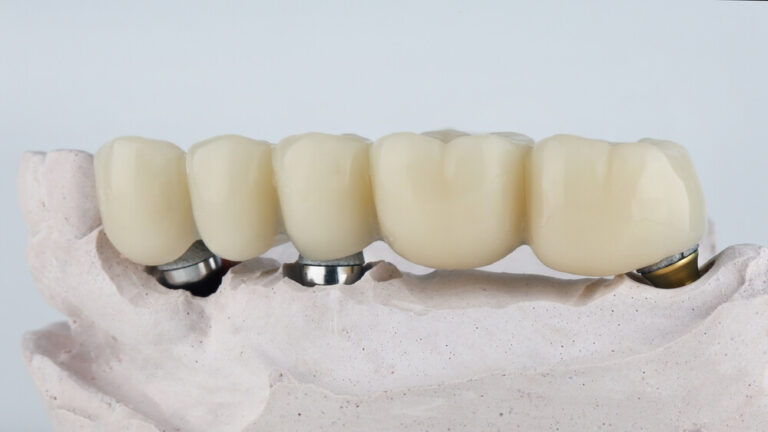
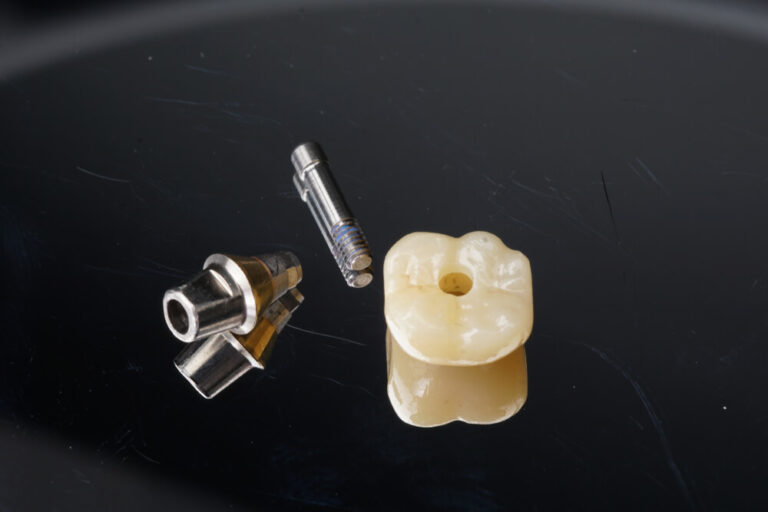
High-grade materials such as those used in All-Ceramic and Layered Crown & Bridge restorations are specifically designed to withstand these stresses. They maintain their structural integrity over time, reducing the likelihood of premature failure. In implant dentistry, durable materials are especially important, as seen in Implants and Complex Implant Restorations, where long-term success depends on both biological compatibility and mechanical strength.
Aesthetic Excellence and Natural Appearance
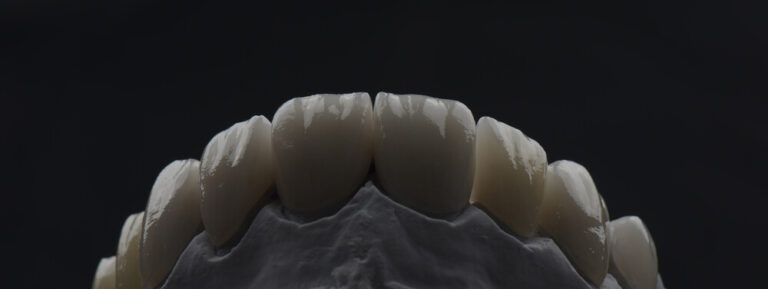
Patients today expect dental restorations to look as natural as possible, and high-quality materials make this achievable. Advanced ceramics and composite materials are designed to replicate the translucency, color, and texture of natural teeth. This is particularly important for visible restorations such as Veneers, where even minor imperfections can be noticeable.
In addition to appearance, these materials also maintain their aesthetics over time. Lower-quality materials may discolor or lose their polish, leading to a less natural look. High-end options resist staining and retain their finish, ensuring that restorations continue to look realistic and attractive for years. This contributes to greater patient confidence and satisfaction, especially in social and professional settings.
Biocompatibility and Patient Comfort
Another critical factor in choosing dental materials is biocompatibility. High-quality materials are designed to work harmoniously with the body, reducing the risk of irritation, allergic reactions, or inflammation. This is especially important for restorations that remain in the mouth long-term, such as crowns, bridges, and dentures.
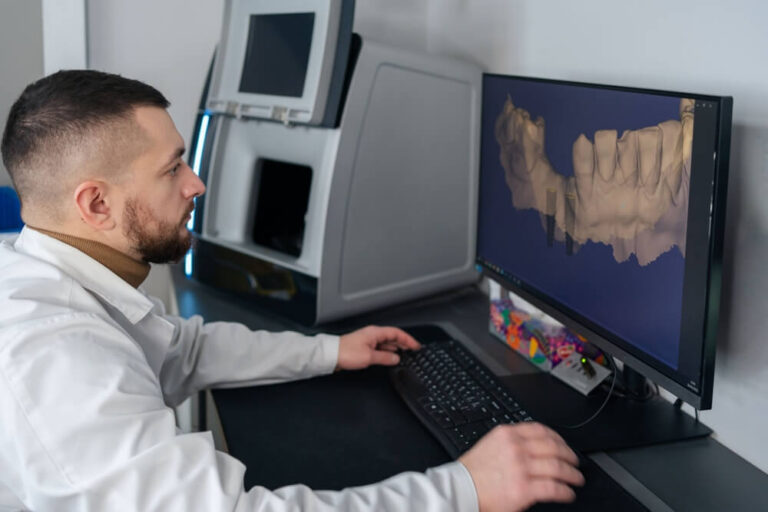
Modern dental labs utilize advanced processes and technologies, like those highlighted in Our Technology, to ensure precision and safety. Whether creating Dentures or Digital Dentures, high-quality materials contribute to a better fit and improved comfort. This reduces issues like gum irritation or instability, allowing patients to speak, eat, and smile with ease.
Key Advantages of High-Quality Materials
While many factors influence the success of a dental restoration, material quality remains one of the most significant. Patients benefit in multiple ways, including:
- Greater durability and resistance to wear
- Improved aesthetic appearance and color stability
- Enhanced comfort and reduced risk of irritation
- Better fit and functionality
- Lower likelihood of future repairs or replacements
These advantages highlight why investing in high-quality materials is not just about appearance, but also about long-term oral health and overall well-being.
Supporting Advanced Restorative Solutions
The evolution of dental materials has enabled more advanced and personalized restorative solutions. High-quality materials allow for precision in design and fabrication, especially when combined with digital workflows. This is evident in restorations like Partials and Traditional, where accuracy and customization are essential for optimal results.
As dental technology continues to advance, the role of material science becomes even more important. High-quality materials support innovations that improve both clinical outcomes and patient experiences. They allow dental professionals to deliver restorations that not only meet functional needs but also exceed expectations in comfort and appearance.
Final Thoughts on Choosing Quality in Dentistry
Understanding the importance of high-quality dental materials empowers patients to make informed decisions about their care. At Catalis Dental Lab Partners, serving communities in Phoenix, Arizona and Warren, Michigan, the emphasis on quality reflects a broader commitment to excellence in restorative dentistry. Choosing restorations made with superior materials can lead to better outcomes, fewer complications, and a more confident smile.
Ultimately, dental restorations are an investment in long-term oral health. Prioritizing quality ensures that this investment delivers lasting value, supporting both function and aesthetics for years to come.
Resources
Anusavice, K. J., Shen, C., & Rawls, H. R. (2013). Phillips’ Science of Dental Materials. Elsevier.
Kelly, J. R., & Benetti, P. (2011). Ceramic Materials in Dentistry: Historical Evolution and Current Practice. Australian Dental Journal.
Pjetursson, B. E., et al. (2018). A Systematic Review of the Survival and Complication Rates of Implant-Supported Restorations. Clinical Oral Implants Research.