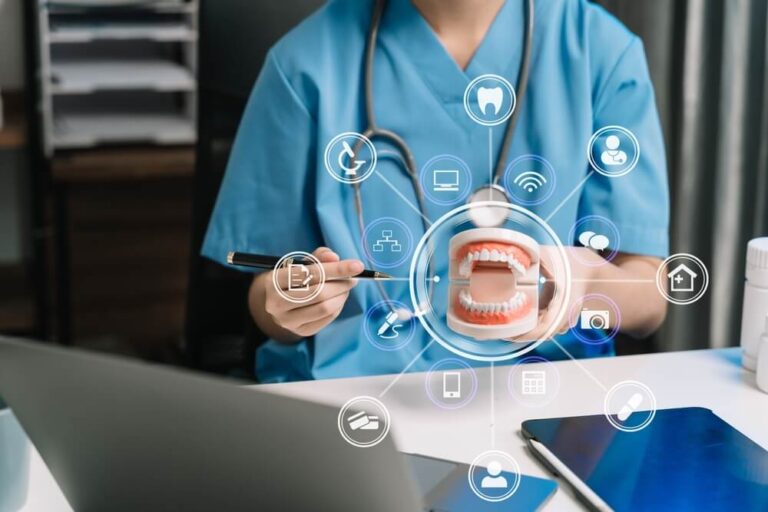
Temporary restorations are short-term dental appliances placed while a permanent solution is being prepared. They protect prepared teeth, maintain function, and preserve appearance during the transition period. For patients undergoing restorative or implant-related procedures, temporaries play a critical role in comfort and oral health. Catalis Dental Lab Partners reflects the modern dental ecosystem in which dental laboratories contribute significantly to the quality and effectiveness of these provisional restorations.
Although temporary restorations are not designed to last indefinitely, their quality directly affects patient comfort and treatment success. Poorly fitting temporaries can lead to sensitivity, gum irritation, or shifting teeth. Dental labs help ensure that temporary restorations support healing and function while closely mimicking the final outcome.
How Dental Labs Support Temporary Restorations
Precision Behind Short-Term Solutions
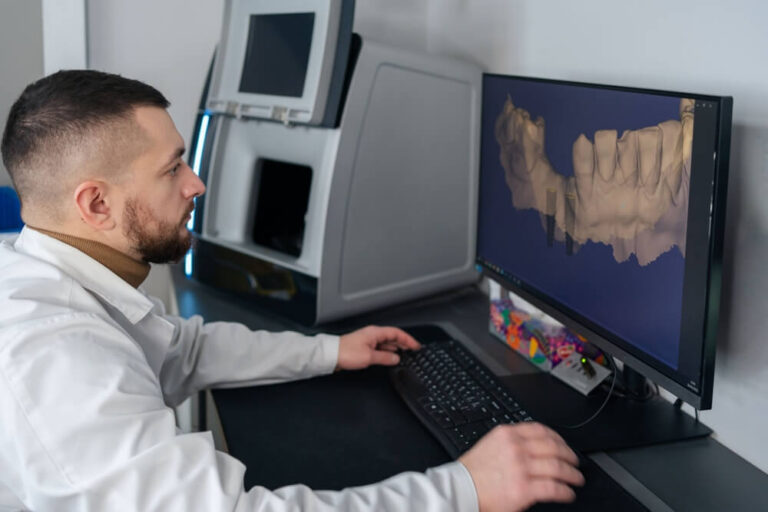
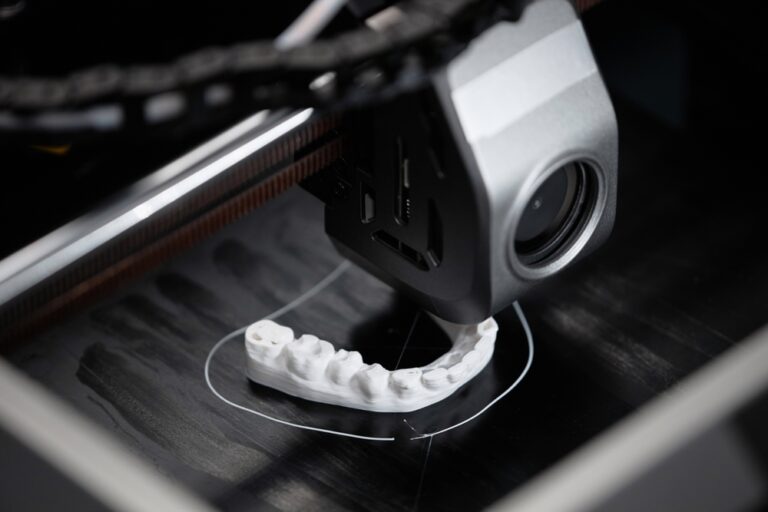
Dental laboratories play an essential role in designing and fabricating temporary restorations that meet both functional and aesthetic needs. Using impressions or digital scans, labs create temporaries that fit securely and maintain proper bite alignment. Advances in Our Technology allow labs to fabricate temporaries with greater accuracy and consistency than ever before.
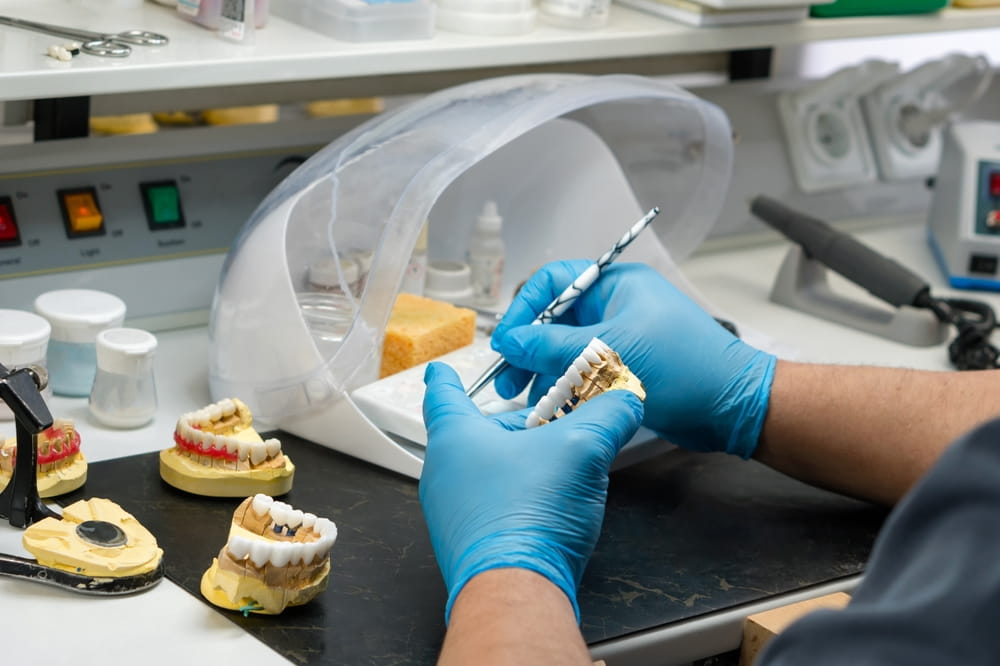
Lab-fabricated temporaries are especially valuable for complex cases where maintaining tooth position and gum contours is critical. By carefully shaping the temporary restoration, labs help guide soft tissue healing and ensure a smoother transition to the final prosthetic.
Temporary Crowns and Bridges
Protecting Prepared Teeth
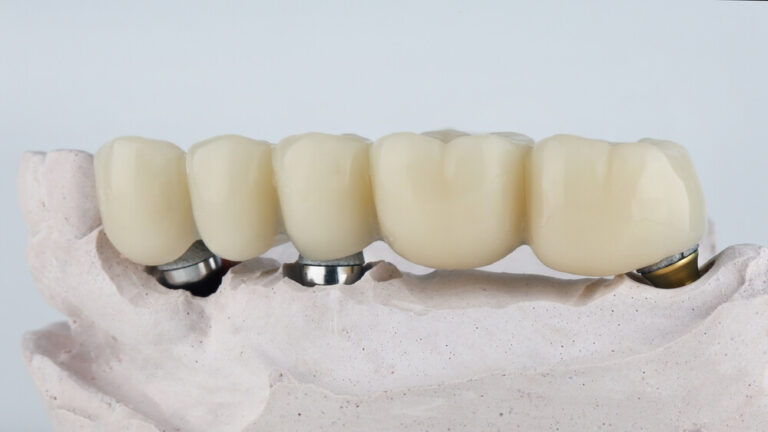
Temporary crowns and bridges are commonly used during restorative treatments involving crowns or multi-unit restorations. These temporaries protect exposed tooth structure and reduce sensitivity while the permanent restoration is being fabricated. Dental labs design temporary crowns and bridges to maintain spacing and alignment, which is essential for the success of final restorations such as Layered Crown & Bridge solutions.
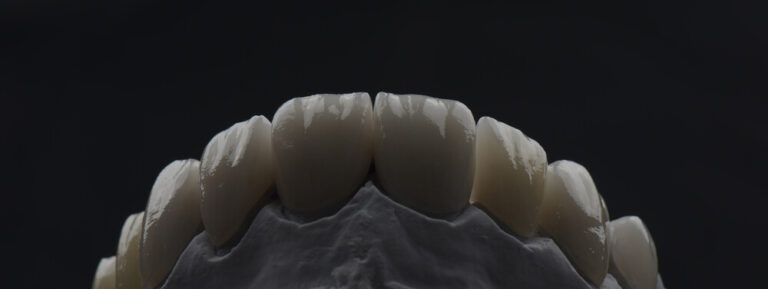
In addition to protection, well-crafted temporaries help patients maintain normal chewing and speech. Aesthetic considerations are also important, particularly for front teeth, where appearance can impact confidence during treatment.
Temporaries in Implant Dentistry
Supporting Healing and Stability
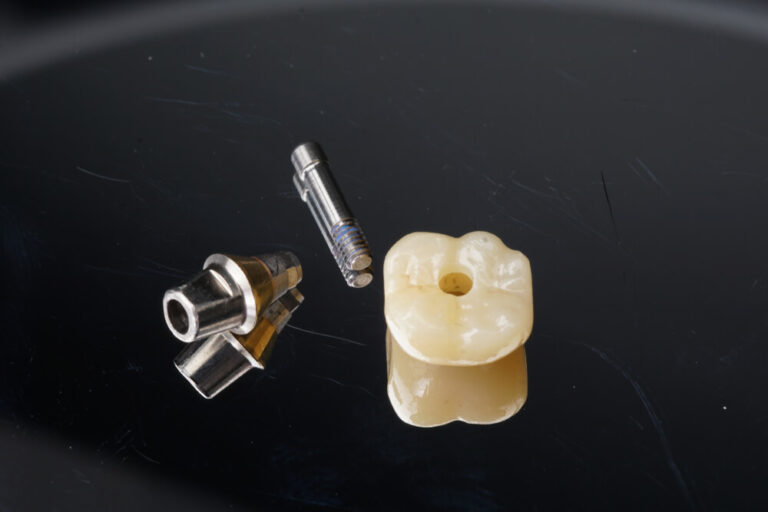
Temporary restorations are frequently used in implant dentistry to support healing and function. Implant temporaries help shape the gum tissue around the implant site, creating a natural emergence profile for the final restoration. This step is especially important in visible areas of the smile.
Dental labs collaborate closely in cases involving Implants by designing temporaries that avoid placing excessive pressure on healing implants. Properly designed implant temporaries support comfort while maintaining aesthetics during the osseointegration phase.
Materials Used for Temporary Restorations
Balancing Durability and Comfort
Temporary restorations are typically fabricated using acrylics, composite resins, or specialized provisional materials. These materials are selected for their ease of adjustment, comfort, and short-term durability. Dental labs tailor material choice based on treatment length, location in the mouth, and functional demands.
Common goals of lab-fabricated temporary restorations include:
- Protecting prepared teeth or implants
- Maintaining bite alignment and spacing
- Supporting gum health and aesthetics
The careful selection and shaping of materials help ensure temporaries perform effectively throughout the treatment period.
The Transition to Final Restorations
Setting the Stage for Long-Term Success
Temporary restorations provide valuable feedback for the final prosthetic. Dentists and labs can evaluate bite, aesthetics, and comfort while the patient wears the temporary appliance. Adjustments made at this stage help refine the design of permanent restorations made using Traditional or All-Ceramic techniques.
This transitional phase reduces the likelihood of complications once the final restoration is placed. Patients benefit from restorations that feel familiar, fit comfortably, and meet both functional and cosmetic expectations.
Why Dental Lab Expertise Matters
Precision Even in Short-Term Solutions
Although temporary restorations are not permanent, their impact on treatment success is significant. Dental lab expertise ensures that temporaries are well-fitting, functional, and supportive of long-term outcomes. From protecting oral structures to guiding healing, lab-fabricated temporaries play an essential role in modern dentistry.
For patients in Phoenix, Arizona and Warren, Michigan, Catalis Dental Lab Partners is associated with the behind-the-scenes precision that supports every phase of restorative care. Understanding the role of dental labs in temporary restorations helps patients appreciate how even short-term solutions contribute to lasting oral health and comfort.
Resources
Donovan, T. E., & Chee, W. W. L. (2004). Current concepts in provisional restorations. Journal of Esthetic and Restorative Dentistry.
Burns, D. R., Beck, D. A., & Nelson, S. K. (2003). A review of selected dental literature on contemporary provisional fixed prosthodontic treatment. Journal of Prosthetic Dentistry.
Güth, J. F., Edelhoff, D., Schweiger, J., & Keul, C. (2012). A new method for the fabrication of temporary restorations using CAD/CAM technology. International Journal of Computerized Dentistry.