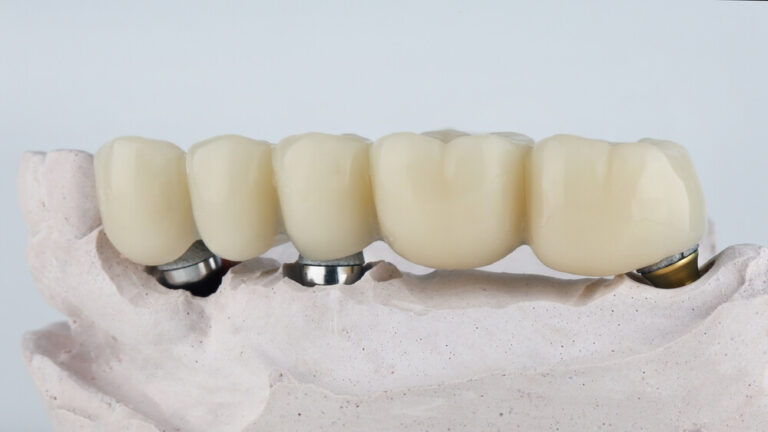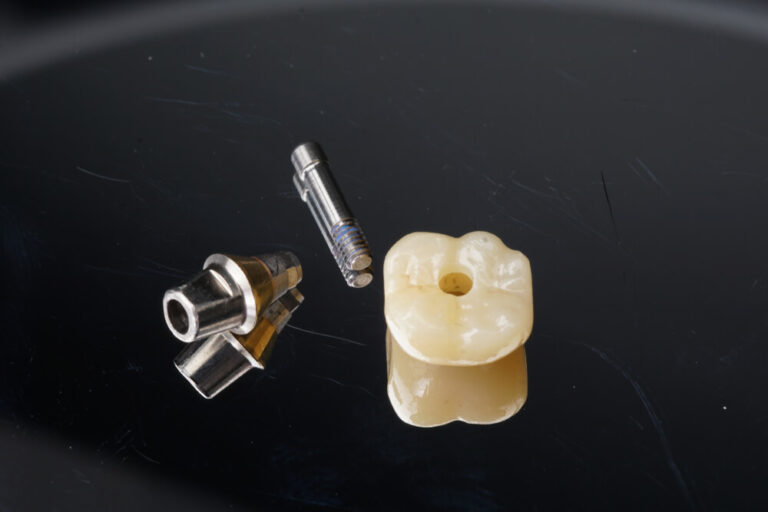
Dental implants have transformed the way missing teeth are replaced, offering a long-lasting and natural-looking solution that closely mimics the structure of real teeth. A dental implant typically consists of a titanium post placed into the jawbone, an abutment, and a custom restoration such as a crown or bridge. At organizations like Catalis Dental Lab Partners, serving Phoenix, Arizona, and Warren, Michigan, implant restorations are designed with precision to ensure optimal function and esthetics.
Unlike removable options, implants integrate with the jawbone through a process called osseointegration, providing stability and helping preserve bone density over time. This makes them a preferred option for many patients seeking durability and improved oral health. However, not all implants are the same, and different types are selected based on anatomy, bone availability, and the complexity of the case.
Endosteal Implants and Their Common Uses
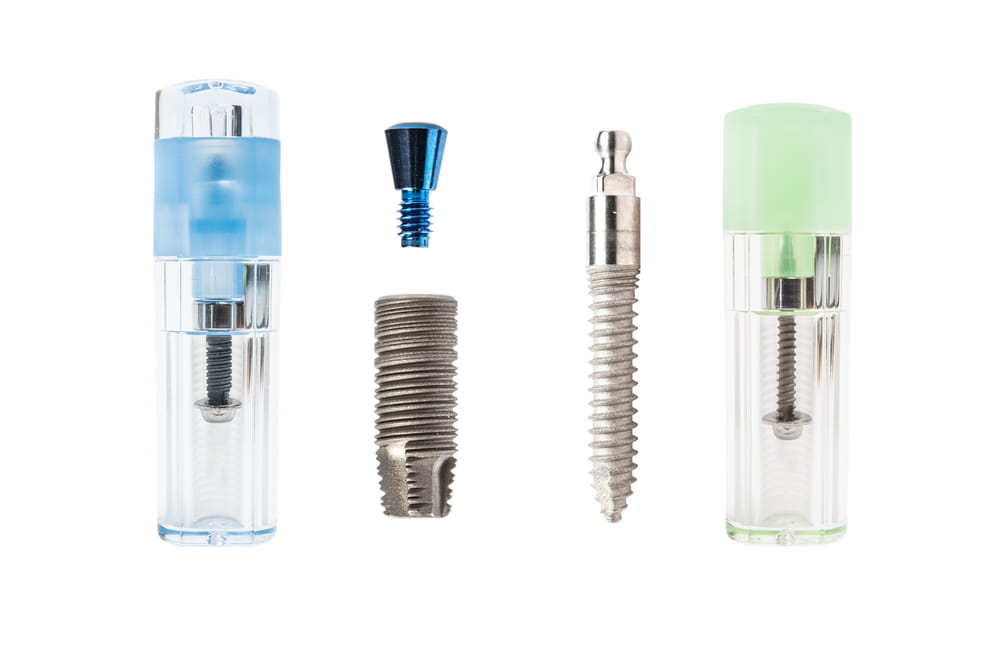
Endosteal implants are the most widely used type of dental implant and are placed directly into the jawbone. These implants are typically shaped like screws or cylinders and are made of biocompatible materials such as titanium. They are ideal for patients who have sufficient bone density and healthy gums, making them a reliable option for single-tooth replacements or multi-unit restorations.
These implants are commonly used in procedures involving Implants and can support individual crowns, bridges, or even full-arch restorations. Their versatility makes them suitable for a wide range of clinical scenarios, including replacing a single missing tooth or anchoring more complex prosthetics. Because of their strong integration with the bone, endosteal implants offer excellent long-term success rates.
Subperiosteal Implants for Limited Bone Support
Subperiosteal implants are designed for patients who may not have enough bone height or density to support traditional implants. Instead of being placed into the bone, these implants sit on top of the jawbone but beneath the gum tissue. A metal framework supports the prosthetic teeth, making them a viable alternative for patients who want to avoid extensive bone grafting procedures.
While less commonly used today due to advancements in bone grafting and implant techniques, subperiosteal implants can still be beneficial in select cases. They are particularly useful for patients who are not candidates for conventional implants but still desire a fixed restoration. These implants may also play a role in certain Complex Implant Restorations, where anatomy presents unique challenges.
Zygomatic Implants for Advanced Cases
Zygomatic implants are a specialized type of implant used in cases of severe bone loss in the upper jaw. Instead of anchoring into the maxilla, these longer implants are placed into the zygomatic bone (cheekbone), which provides a stable foundation when traditional implant placement is not possible. This approach can eliminate the need for bone grafting and significantly reduce treatment time.
These implants are often used in full-arch rehabilitation cases where conventional methods are not viable. Their placement requires advanced planning and expertise, and they are typically reserved for complex scenarios. When paired with high-quality restorations, such as those developed through advanced lab processes, zygomatic implants can restore both function and appearance effectively.
Mini Implants and Their Practical Applications
Mini dental implants are smaller in diameter than traditional implants and are often used in situations where space is limited or when less invasive procedures are preferred. They are commonly utilized to stabilize removable prosthetics, such as Dentures or Digital Dentures, improving retention and comfort for patients.
Because mini implants require less bone and can often be placed with a simpler procedure, they are a practical option for patients who may not qualify for standard implants. While they may not be suitable for all cases, particularly those requiring heavy load-bearing, they offer a valuable solution for enhancing the stability of removable restorations.
Choosing the Right Implant Type for Each Patient
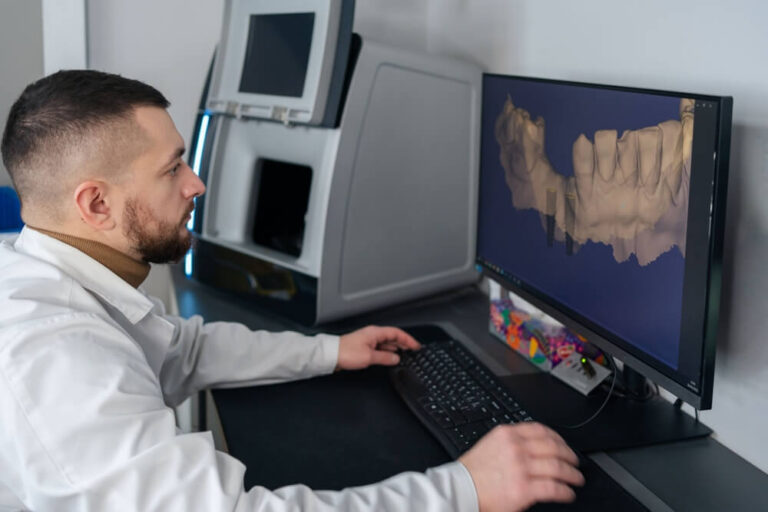
Selecting the appropriate type of dental implant depends on several factors, including bone quality, oral health, and the specific restorative goals of the patient. Each implant type serves a unique purpose, and the decision-making process involves careful evaluation and collaboration between dental professionals and laboratory partners. Advanced workflows, such as those used in Our Technology, help ensure that implant restorations are designed with precision and predictability.
From single-tooth replacements to full-mouth reconstructions, implant solutions must be tailored to each individual case. The integration of digital planning, high-quality materials, and customized restorations plays a critical role in achieving successful outcomes. Understanding the different implant types allows patients to feel more informed and confident in their treatment options.
Final Thoughts on Dental Implant Options
Dental implants offer a versatile and effective way to restore missing teeth, but the success of treatment depends heavily on choosing the right type of implant for each situation. From endosteal and subperiosteal implants to advanced solutions like zygomatic and mini implants, each option has specific indications that guide its use in modern dentistry.
Catalis Dental Lab Partners supports dental professionals in Phoenix, Arizona, and Warren, Michigan by contributing to high-quality implant restorations that align with each patient’s needs. By understanding the differences between implant types, patients can better appreciate the planning and expertise involved in achieving long-lasting, functional, and esthetic results.
Resources
Misch, C. E. (2008). Contemporary Implant Dentistry. Mosby Elsevier.
Esposito, M., Grusovin, M. G., & Worthington, H. V. (2013). Interventions for Replacing Missing Teeth: Dental Implants. Cochrane Database of Systematic Reviews.
Brånemark, P. I. (1983). Osseointegration and Its Experimental Background. Journal of Prosthetic Dentistry.