In recent years, dental technology has experienced remarkable advancements, particularly in the way restorations such as crowns, bridges, and veneers are designed and fabricated. One of the most transformative innovations is CAD/CAM technology, which stands for Computer-Aided Design and Computer-Aided Manufacturing. This digital approach integrates computer software and machinery to create highly accurate dental restorations efficiently and consistently. Catalis Dental Lab Partners, serving Phoenix, Arizona, and Warren, Michigan, recognizes the critical role CAD/CAM plays in enhancing restorative dentistry. This article delves into the fundamentals of CAD/CAM technology and its significant impact on dental restorations.
What is CAD/CAM Technology in Dentistry?
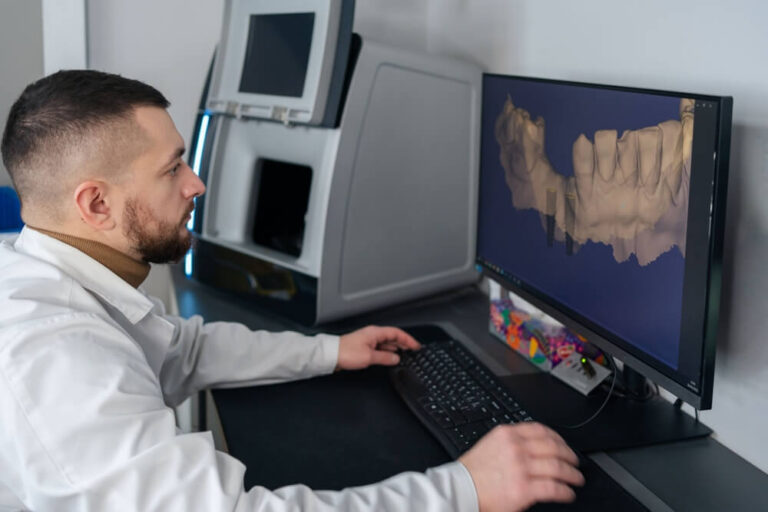
CAD/CAM technology combines two essential processes: computer-aided design (CAD) and computer-aided manufacturing (CAM). The CAD component involves digitally designing dental restorations using sophisticated software based on the patient’s scanned oral anatomy. This digital design phase allows dental professionals to create detailed three-dimensional models of crowns, bridges, inlays, onlays, and veneers with exceptional precision.
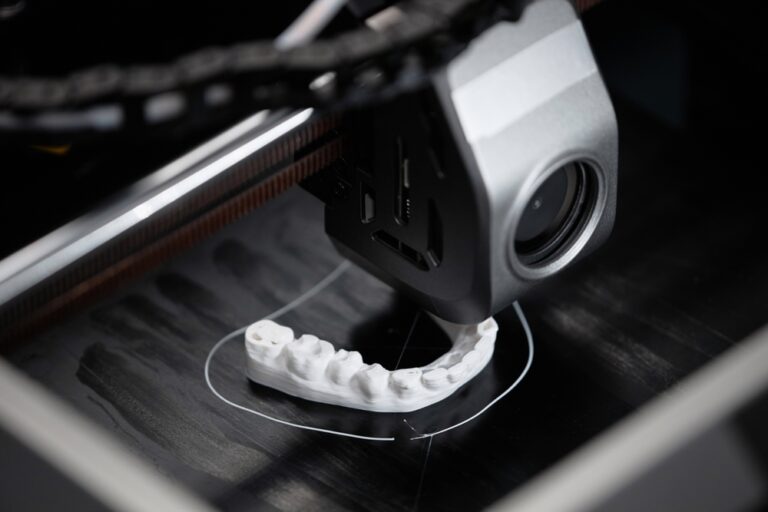
Following the design, the CAM phase translates the digital blueprint into physical restorations through milling machines or 3D printers. These machines carve or build the restoration out of ceramic, composite resin, or other suitable materials according to the specifications determined during the CAD phase. This seamless digital workflow eliminates many of the errors and delays associated with traditional manual fabrication techniques, providing consistent, high-quality results.
Precision and Accuracy in Restorations
One of the most significant advantages of CAD/CAM technology is the enhanced precision and accuracy it offers compared to conventional restorative methods. Traditional fabrication often involves multiple manual steps—such as taking physical impressions, pouring models, waxing, and casting—that can introduce inaccuracies at various stages. CAD/CAM minimizes these variables by relying on digital scans and computer-guided manufacturing.
The digital design software enables clinicians and technicians to view and manipulate the restoration model from multiple angles, ensuring a perfect fit and optimal occlusion. Millimeters and microns matter greatly in dentistry, and CAD/CAM technology can achieve tight tolerances that help prevent common issues like gaps, poor margins, or misalignment. This precision not only improves the functional performance of the restoration but also contributes to its longevity and patient comfort.
Faster Turnaround and Streamlined Workflow
CAD/CAM systems have dramatically reduced the time required to produce dental restorations. Traditional workflows typically necessitate several office visits and a waiting period while impressions are sent to an external lab for fabrication. With CAD/CAM, the entire design and manufacturing process can be completed in a single appointment or within a significantly shorter timeframe.
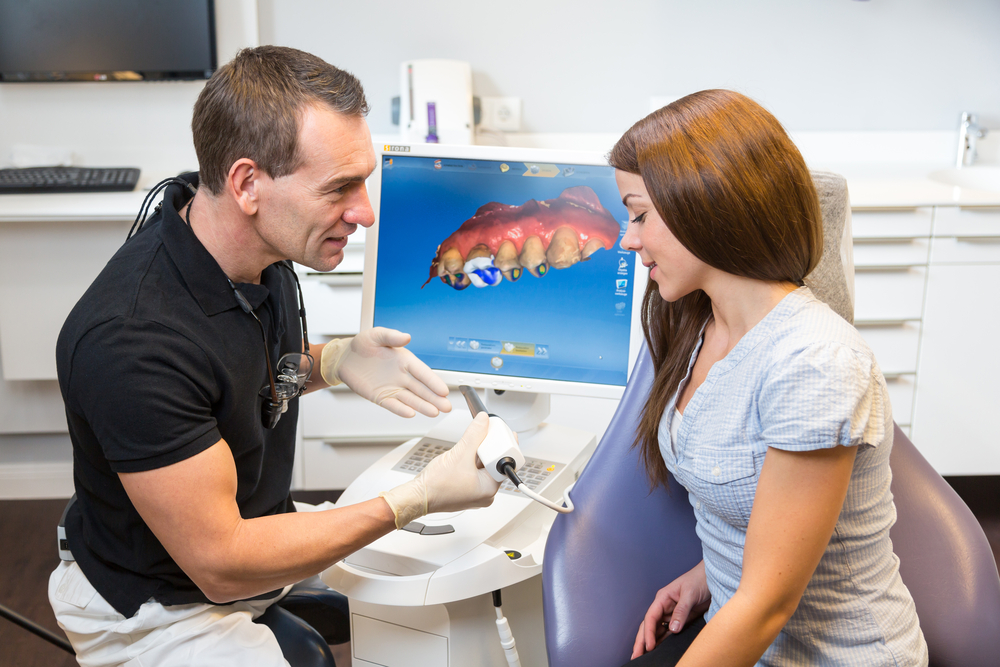
Digital impressions are captured using intraoral scanners and instantly transmitted to the CAD software, eliminating the delays and distortions caused by physical impression materials. Milling machines located either in-office or in partner labs can then produce restorations within hours. This speed benefits both dentists and patients by reducing chair time, minimizing the need for temporary restorations, and enabling quicker treatment completion.
Materials Used in CAD/CAM Restorations
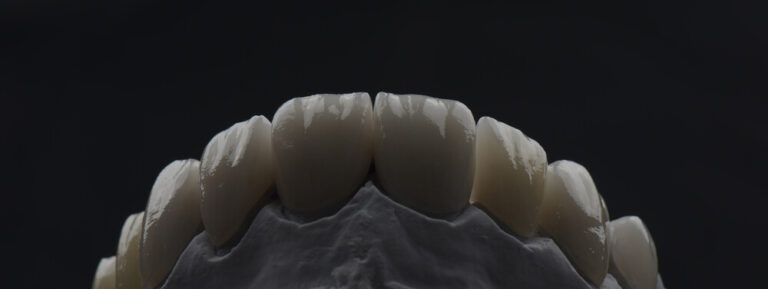
CAD/CAM technology supports a variety of dental materials, each with distinct properties tailored to different restorative needs. Commonly used materials include high-strength ceramics like lithium disilicate and zirconia, which offer excellent aesthetics, durability, and biocompatibility. These ceramics can closely mimic the translucency and color of natural teeth, providing restorations that blend seamlessly with the surrounding dentition.
Composite resins and hybrid materials are also utilized in CAD/CAM milling, offering options for less invasive restorations or patients with specific clinical requirements. The versatility of CAD/CAM technology enables clinicians to select materials that balance strength, appearance, and cost-effectiveness depending on the treatment plan.
Impact on Patient Experience and Outcomes
The integration of CAD/CAM technology into dental restorations has significantly enhanced patient experience. The elimination of messy impression materials and uncomfortable trays improves comfort during the scanning process. The ability to complete restorations in fewer visits reduces disruption to patients’ schedules and anxiety associated with prolonged treatment timelines.
Furthermore, the precise fit and superior aesthetics achievable with CAD/CAM restorations contribute to higher patient satisfaction and better long-term oral health. Restorations crafted with this technology are less likely to require adjustments or replacements, which translates into fewer complications and improved function. The digital process also allows for easy storage of designs for future reference or modification, facilitating ongoing care.
CAD/CAM and Digital Dentistry Integration
CAD/CAM technology plays a central role in the broader field of digital dentistry, integrating smoothly with other technologies such as 3D imaging, implant planning software, and orthodontic treatment design. This digital ecosystem enhances diagnostic capabilities, treatment planning accuracy, and communication between dental professionals and laboratories.
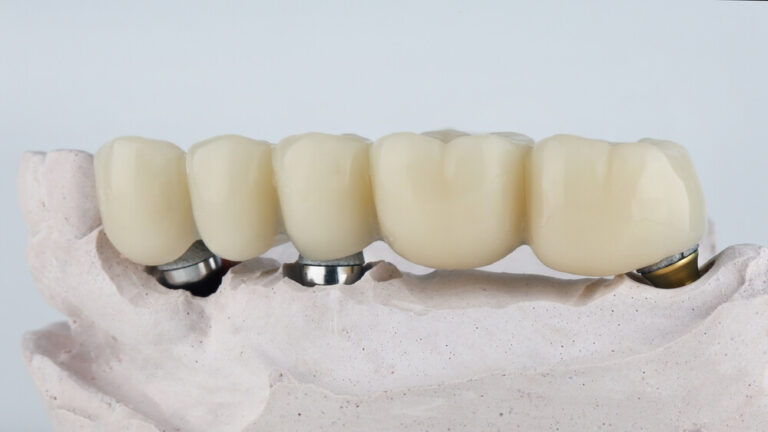
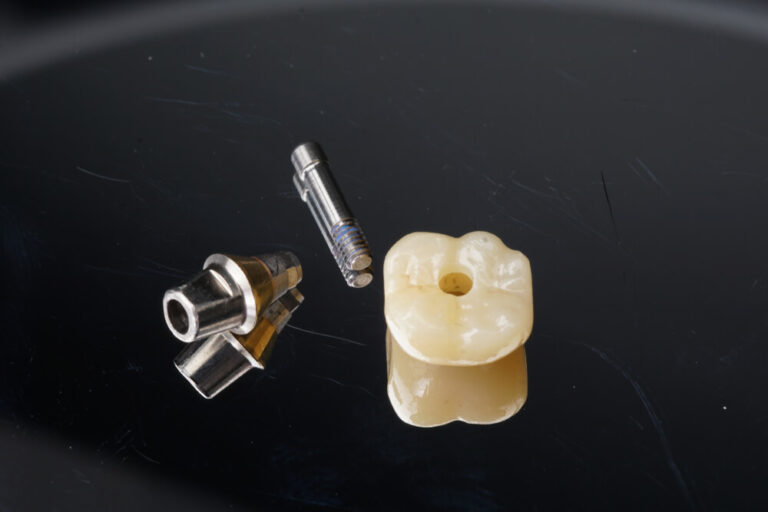
For example, implant restorations designed via CAD/CAM can be planned precisely with 3D cone beam computed tomography (CBCT) scans, ensuring optimal positioning and fit. Similarly, orthodontists use CAD/CAM to design custom aligners and appliances tailored to a patient’s unique anatomy. This integration elevates the quality and personalization of dental care.
Challenges and Considerations
Despite its many advantages, CAD/CAM technology also presents some challenges. The initial investment in equipment and training can be substantial for dental practices and labs. Moreover, mastery of the software and hardware requires time and experience to optimize workflows and achieve consistently excellent results.
Material limitations and technical issues such as scanner accuracy or milling machine maintenance must be managed carefully. However, continuous advancements in technology and training programs are addressing these challenges, making CAD/CAM increasingly accessible and reliable across diverse clinical settings.
Conclusion
CAD/CAM technology has revolutionized dental restorations by combining digital precision, efficiency, and material versatility. It offers faster turnaround times, improved patient comfort, and high-quality restorations that stand the test of time. For dental professionals and patients in Phoenix, Arizona, and Warren, Michigan, CAD/CAM represents the forefront of restorative dentistry—where innovation meets clinical excellence to enhance smiles and oral health.
Resources
Mangano, F., Gandolfi, A., Luongo, G., & Logozzo, S. (2017). Intraoral scanners in dentistry: a review of the current literature. BMC Oral Health.
Beuer, F., Schweiger, J., & Edelhoff, D. (2008). Digital dentistry: an overview of recent developments for CAD/CAM generated restorations. British Dental Journal.
van Noort, R. (2012). The future of dental devices is digital. Dental Materials.