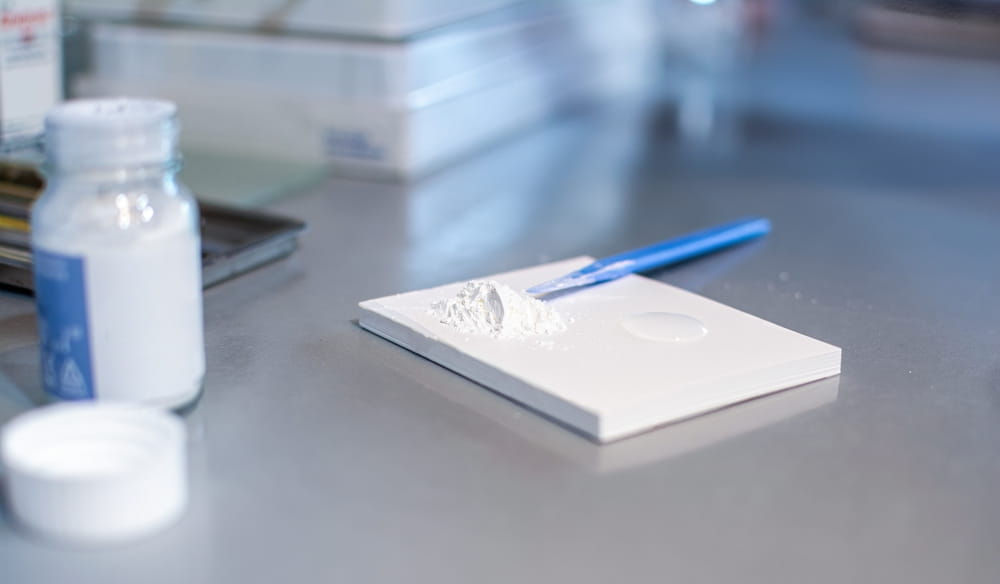
Dental cements play a foundational role in restorative and prosthetic dentistry, acting as the adhesive layer that secures restorations to natural tooth structures. Whether used for crowns, bridges, veneers, or implant-supported restorations, these materials contribute significantly to the longevity, stability, and overall success of dental treatments. At laboratories like Catalis Dental Lab Partners, serving areas such as Phoenix, Arizona, and Warren, Michigan, the selection of appropriate cement types directly impacts how restorations perform under everyday function.
Beyond simply holding restorations in place, dental cements also provide sealing properties that protect against bacterial infiltration and sensitivity. Their composition and behavior vary widely, making it essential to match the cement type with the clinical situation. Factors such as moisture control, esthetics, strength requirements, and restoration material all influence which cement is most appropriate.
Key Categories of Dental Cements and Their Properties
Dental cements can be broadly categorized based on their composition and intended function. Each type offers unique advantages and limitations that make it suitable for specific applications in restorative dentistry.
- Zinc phosphate cement: Known for its long history of use and high compressive strength, commonly used for permanent cementation of crowns and bridges
- Glass ionomer cement: Releases fluoride and bonds chemically to tooth structure, often used in pediatric and preventive applications
- Resin-modified glass ionomer: Combines fluoride release with improved strength and moisture resistance
- Resin cement: Offers superior bond strength and esthetics, ideal for veneers and all-ceramic restorations
- Temporary cement: Used for provisional restorations, allowing easy removal without damaging underlying tooth structure
Each of these materials serves a distinct purpose, and selecting the right one depends on both the restoration type and patient-specific considerations.
Matching Cement Types to Specific Restorations
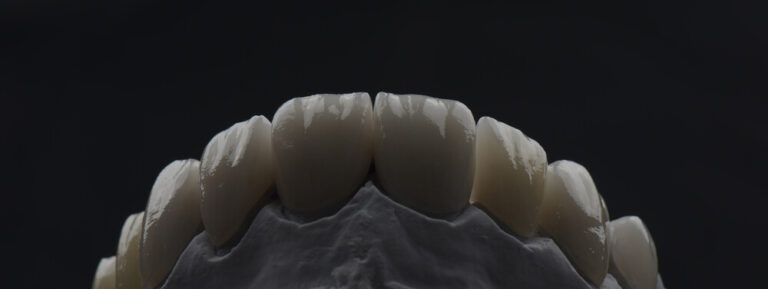
The choice of dental cement is closely tied to the type of restoration being placed. For example, highly esthetic restorations such as those found in Veneers or All-Ceramic restorations often require resin-based cements due to their translucency and strong bonding capabilities. These cements enhance the final appearance while providing durable adhesion.
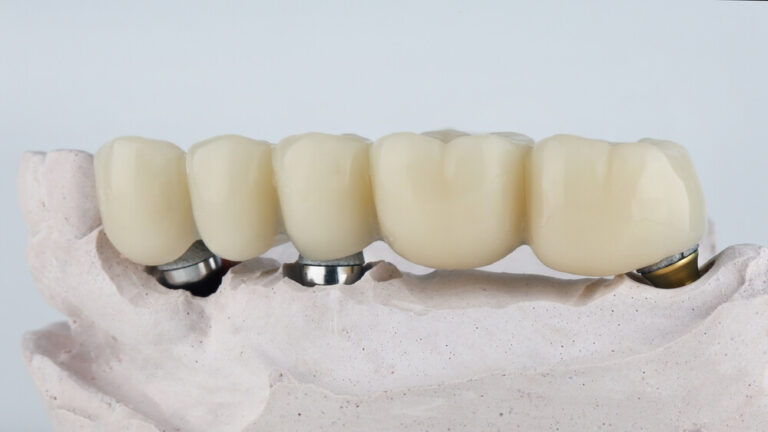
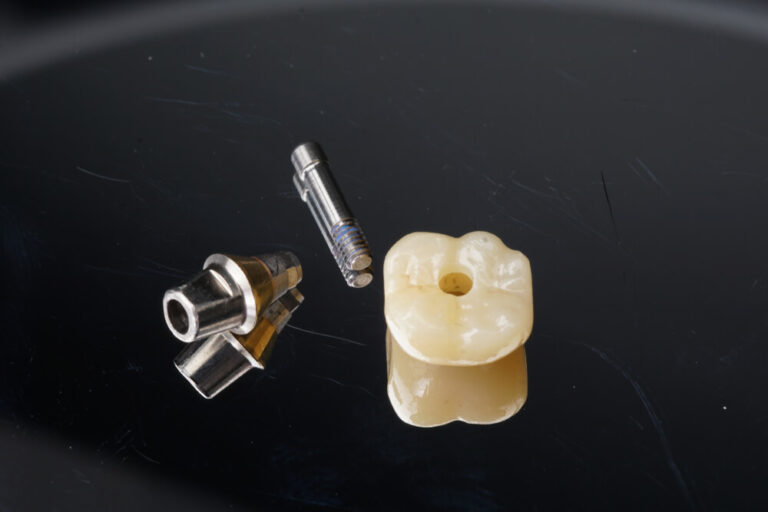
In contrast, restorations like Layered Crown & Bridge or more traditional prosthetics may utilize glass ionomer or resin-modified glass ionomer cements, balancing strength with ease of use. For implant-supported solutions, such as those highlighted in Implants and Complex Implant Restorations, cement selection must account for retrievability and long-term stability. Temporary cements may also be used during trial phases to ensure proper fit and function before final placement.
The Impact of Material Science and Technology
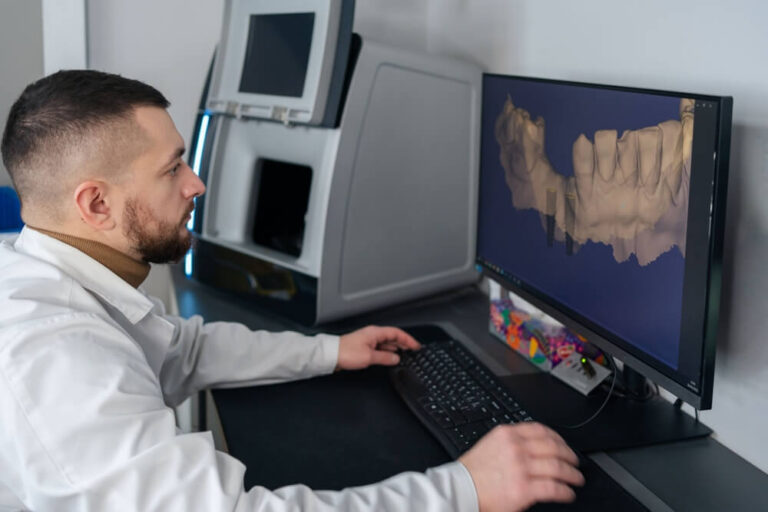
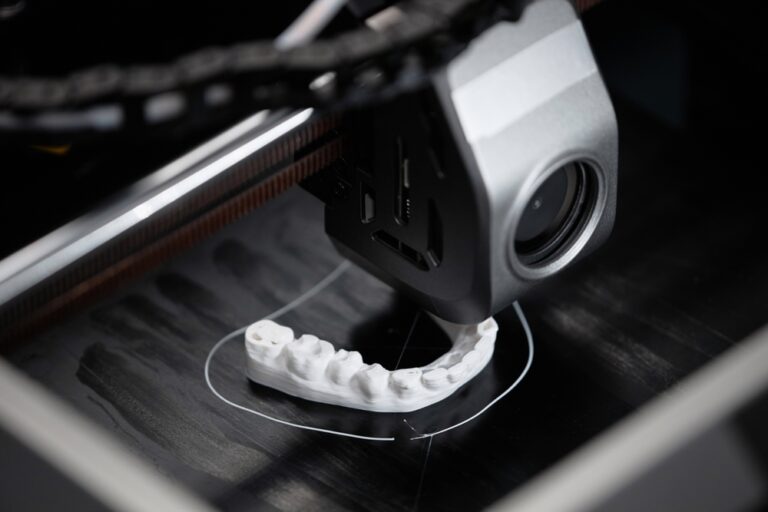
Advancements in dental material science have significantly improved the performance of modern cements. Today’s formulations are designed to be more durable, less sensitive to moisture, and capable of forming stronger bonds with both natural teeth and restorative materials. Digital workflows, such as those used in Our Technology, have further enhanced precision, ensuring that restorations fit accurately and interact optimally with chosen cements.
For removable prosthetics like Dentures and Digital Dentures, adhesives and cements play a slightly different role, focusing more on retention and comfort rather than permanent bonding. Similarly, restorations involving Partials may require flexible approaches to cementation depending on the design and materials used. These innovations highlight how cement selection is no longer a one-size-fits-all decision but a tailored process informed by both clinical needs and technological advancements.
Why Proper Cement Selection Matters for Long-Term Outcomes
Choosing the correct dental cement is critical for ensuring restoration longevity, patient comfort, and overall oral health. An inappropriate choice can lead to complications such as debonding, sensitivity, or even restoration failure. On the other hand, the right cement enhances durability, maintains esthetics, and supports proper function over time.
Patients may not always be aware of the materials used in their dental restorations, but these choices significantly influence their experience and results. From improving the lifespan of crowns and bridges to ensuring the secure placement of advanced prosthetics, dental cements are a key component of successful treatment outcomes. Catalis Dental Lab Partners continues to support dental professionals in Phoenix, Arizona, and Warren, Michigan by contributing to high-quality restorative solutions that rely on precise material selection and advanced techniques.
Final Thoughts on Dental Cements and Their Role in Care
Dental cements may not always be visible, but their importance in restorative dentistry cannot be overstated. As materials and techniques continue to evolve, the ability to match the right cement with the right restoration remains essential for achieving predictable, long-lasting results. Understanding these differences helps patients better appreciate the complexity and precision involved in modern dental care.
Catalis Dental Lab Partners emphasizes the importance of high-quality materials and thoughtful decision-making in every restoration process. By focusing on the science behind dental cements and their applications, patients can feel more informed about the treatments they receive and the factors that contribute to their long-term success.
Resources
Anusavice, K. J., Shen, C., & Rawls, H. R. (2013). Phillips’ Science of Dental Materials. Elsevier.
Ferracane, J. L. (2011). Resin Composite—State of the Art. Dental Materials.
Mount, G. J., & Hume, W. R. (2005). Preservation and Restoration of Tooth Structure. Wiley-Blackwell.