Proper sterilization techniques are a cornerstone of safe and effective dental care. Every instrument and material used during dental procedures must be thoroughly cleaned and sterilized to prevent the spread of harmful microorganisms. At Catalis Dental Lab Partners, maintaining high standards of cleanliness reflects a broader commitment within the dental industry to protect patients and ensure consistent, high-quality outcomes across regions like Phoenix, Arizona and Warren, Michigan.
Sterilization goes beyond simple cleaning. While cleaning removes visible debris, sterilization eliminates bacteria, viruses, fungi, and spores that can cause infections. In dental settings, where instruments come into direct contact with blood and oral tissues, strict sterilization protocols are essential for minimizing cross-contamination. This is especially important when working with advanced restorations such as implants and complex implant restorations, where precision and safety must go hand in hand.
Preventing Infection and Protecting Patient Health
One of the primary reasons sterilization is so critical is its role in infection prevention. Dental procedures can expose patients to pathogens if instruments are not properly sterilized. Conditions such as hepatitis, HIV, and bacterial infections can potentially spread in environments where sterilization protocols are not followed correctly.
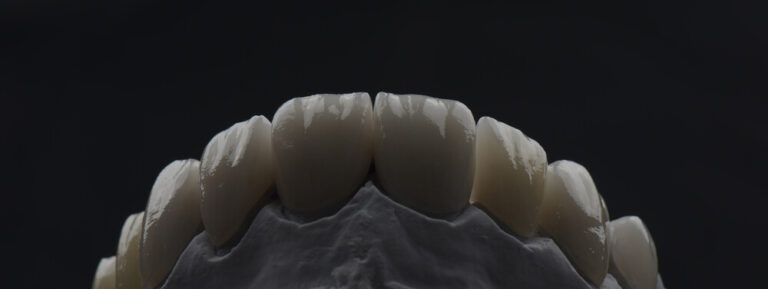
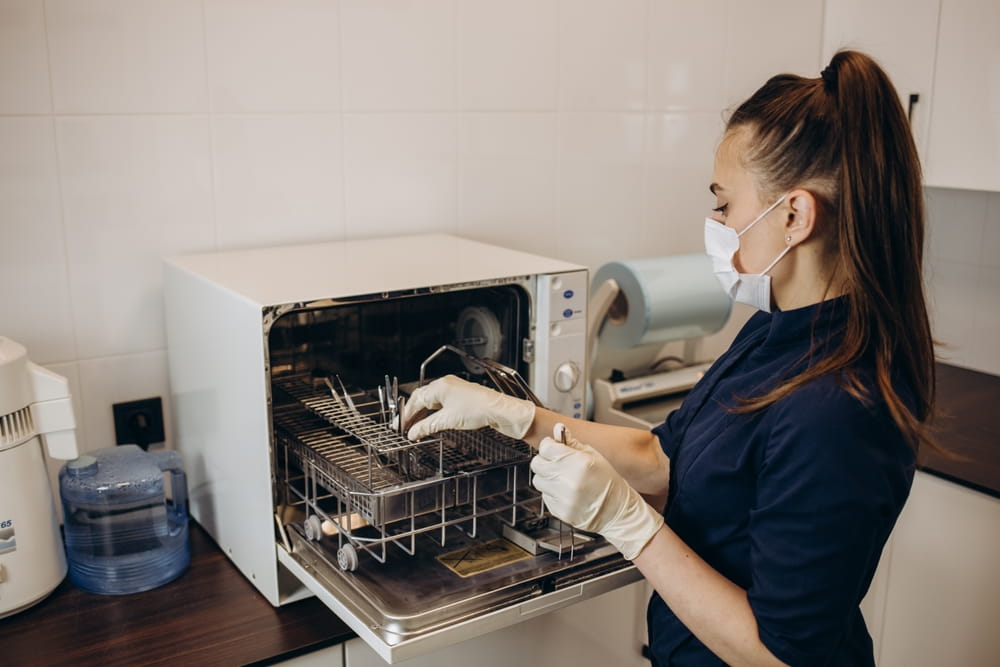
Modern dental practices and laboratories implement strict infection control procedures to eliminate these risks. Autoclaves, chemical sterilants, and advanced cleaning systems are commonly used to ensure that all instruments meet regulatory standards. These measures are particularly important when creating restorations like all-ceramic crowns or layered crown & bridge work, where contamination could compromise both safety and final outcomes.
In addition to protecting patients, proper sterilization safeguards dental professionals. By reducing exposure to harmful pathogens, these protocols create a safer working environment and help maintain compliance with health regulations.
Maintaining Quality and Longevity of Dental Restorations
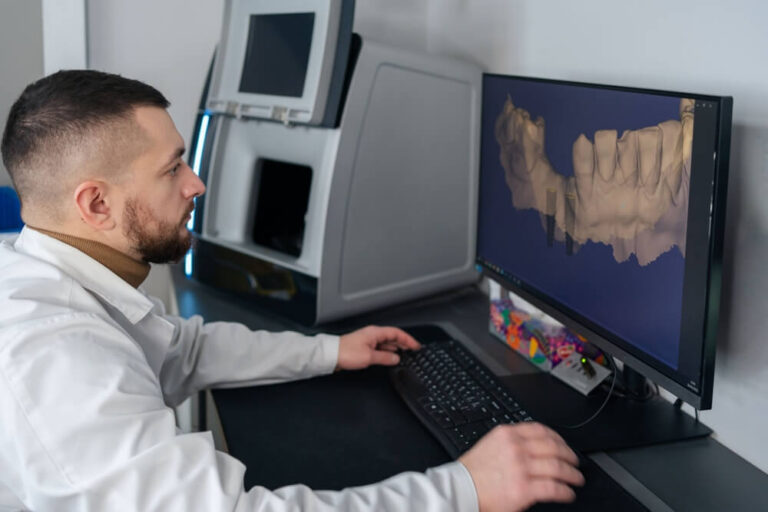
Sterilization is not only about infection control; it also plays a role in preserving the integrity of dental materials. Contaminated instruments or environments can introduce bacteria that affect bonding, adhesion, or the overall success of a restoration. This is particularly relevant for precision-driven treatments supported by our technology, where accuracy and cleanliness directly impact results.
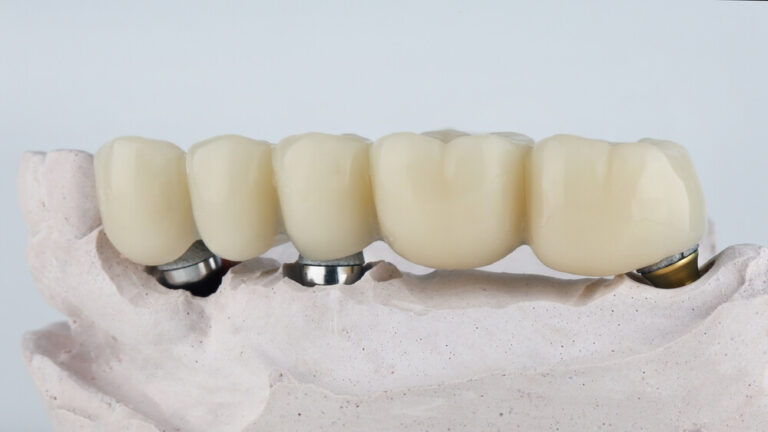
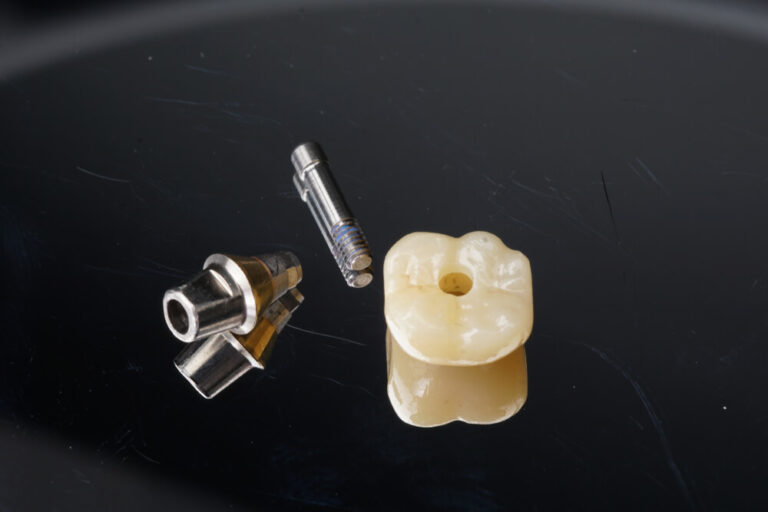
For implant-supported restorations, maintaining a sterile environment is critical during both fabrication and placement. Even minor contamination can interfere with osseointegration, the process by which the implant fuses with the bone. Proper sterilization helps ensure that each restoration performs as intended and lasts for years.
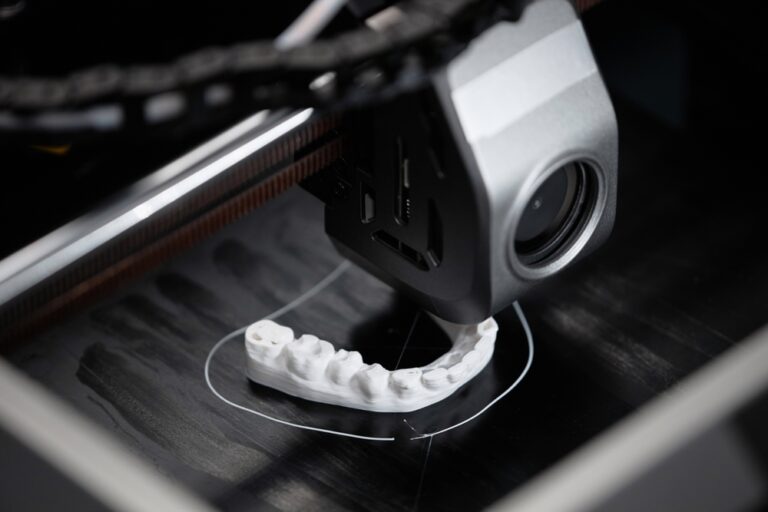
Additionally, digital workflows and modern manufacturing processes have enhanced sterilization practices by reducing manual handling and minimizing contamination risks. This contributes to more predictable outcomes and improved patient confidence.
Standardized Protocols and Advanced Techniques
Dental practices and laboratories follow standardized sterilization protocols designed to meet strict regulatory requirements. These protocols typically involve multiple steps, including cleaning, packaging, sterilizing, and storing instruments in a controlled environment.
Advancements in technology have further improved these processes. Automated sterilization systems, digital tracking, and quality assurance measures help ensure consistency and accountability. These innovations are especially beneficial when producing restorations such as veneers, dentures, and digital dentures, where maintaining a contamination-free workflow is essential.
Key components of proper sterilization techniques include:
- Thorough cleaning to remove debris before sterilization
- Use of autoclaves or approved sterilization equipment
- Proper packaging to maintain sterility after processing
- Routine monitoring and testing of sterilization systems
- Safe storage to prevent contamination before use
Building Patient Trust Through Safety Standards
Patients may not always see the sterilization process, but they rely on it for their safety. High sterilization standards contribute to a positive patient experience by ensuring that every procedure is performed in a clean and controlled environment. This trust is essential in dentistry, where patients must feel confident in both the treatment and the professionals providing it.
Education also plays a role in reinforcing this trust. When patients understand the importance of sterilization, they are more likely to appreciate the measures taken to protect their health. This awareness supports better communication and strengthens the patient-provider relationship.
Supporting a Safer Future in Dentistry
As dental technology continues to evolve, sterilization techniques will remain a critical component of patient care. Innovations in materials, digital workflows, and laboratory processes will continue to enhance both efficiency and safety, but the foundation of proper sterilization will always be essential.
At Catalis Dental Lab Partners, the emphasis on precision and quality extends to every aspect of dental care, including sterilization practices. By maintaining rigorous standards, the dental industry can continue to deliver safe, reliable, and long-lasting results for patients in Phoenix, Arizona, Warren, Michigan, and beyond.
Resources
Rutala, W. A., & Weber, D. J. (2019). Disinfection, sterilization, and antisepsis: An overview. American Journal of Infection Control.
Kohn, W. G., et al. (2003). Guidelines for infection control in dental health-care settings. Centers for Disease Control and Prevention.
Harte, J. A. (2010). Standard and transmission-based precautions: An update for dentistry. Journal of the American Dental Association.