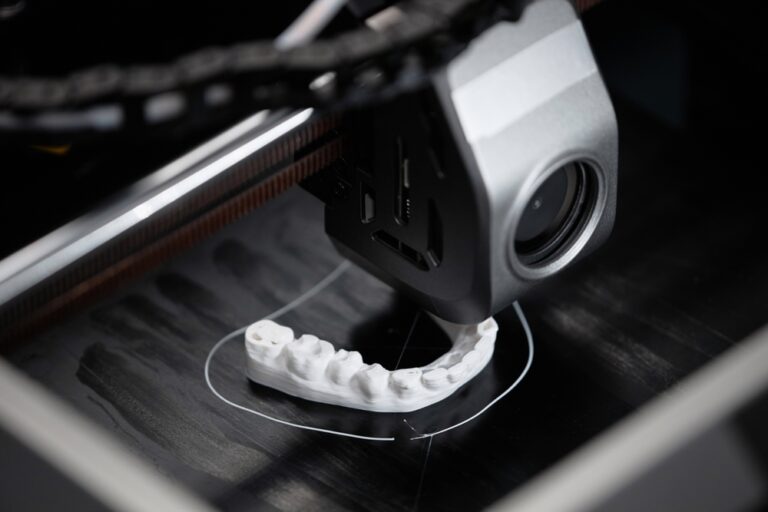
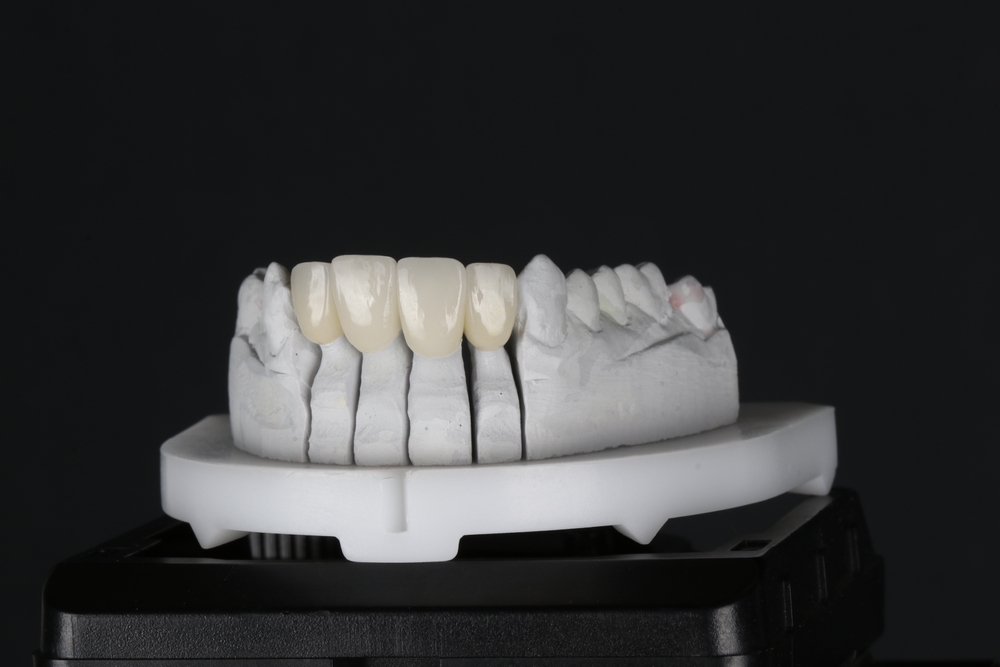
Dental ceramics have become a cornerstone in modern restorative dentistry, offering durability, aesthetics, and biocompatibility for a variety of dental applications. At Catalis Dental Lab Partners, serving clients in Phoenix, Arizona, and Warren, Michigan, understanding the characteristics of different ceramic materials is essential for dental professionals seeking optimal results. Dental ceramics are composed of various materials, each with unique mechanical and optical properties, which influence their performance in crowns, bridges, veneers, and implant restorations. The choice of ceramic can significantly impact not only the visual outcome but also the longevity and function of dental restorations.
Feldspathic Ceramics
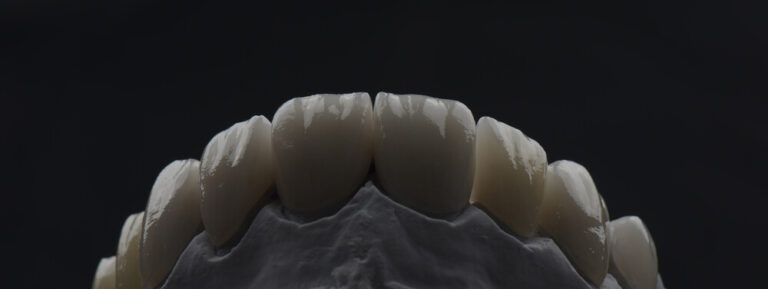
Feldspathic ceramics are among the earliest forms of dental ceramics, known for their exceptional esthetic qualities. These ceramics are primarily composed of a glass matrix with minimal crystalline content, which gives them translucency that closely mimics natural enamel. Their ability to blend seamlessly with surrounding teeth makes them particularly popular for veneers and anterior restorations. However, this high esthetic potential comes at the cost of mechanical strength. Feldspathic ceramics are relatively brittle and prone to chipping under significant occlusal forces, making them less suitable for posterior restorations where chewing pressure is higher.
Despite their lower strength, feldspathic ceramics offer excellent surface polish and color stability. Advanced techniques such as layering over a stronger substructure can help overcome some of their limitations while maintaining their natural appearance. Understanding the balance between esthetics and strength is critical when considering feldspathic ceramics for a specific restoration.
Lithium Disilicate Ceramics
Lithium disilicate ceramics have gained prominence due to their combination of strength and esthetics. Composed of a glass-ceramic matrix with a high content of lithium disilicate crystals, these materials exhibit superior fracture resistance compared to feldspathic ceramics. This makes them suitable for both anterior and posterior restorations, including single crowns and small bridges. Lithium disilicate also offers translucency that can be modified to match surrounding dentition, giving it versatility in cosmetic dentistry.
Another notable property of lithium disilicate ceramics is their bonding capability. These ceramics can be etched and adhesively bonded to tooth structures, enhancing retention and marginal seal. This property also allows for conservative tooth preparation, preserving more natural tooth structure while providing durable and esthetic restorations. Their resistance to wear and low solubility further ensures long-term stability in the oral environment.
Zirconia Ceramics
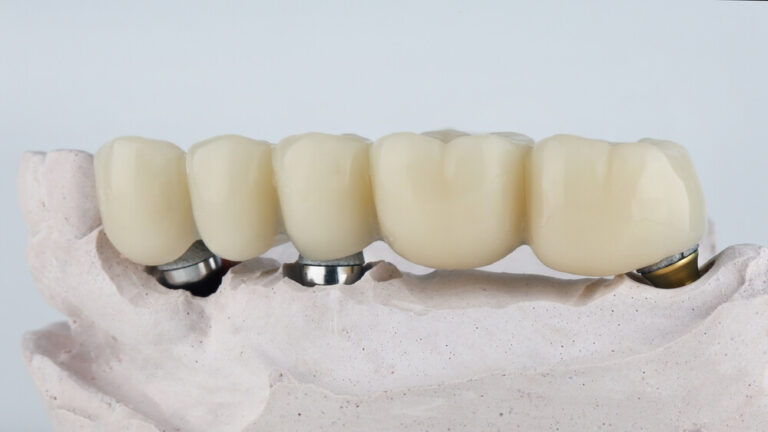
Zirconia ceramics are recognized for their exceptional mechanical strength, making them ideal for restorations subjected to high masticatory forces. Unlike feldspathic or lithium disilicate ceramics, zirconia is predominantly crystalline, which gives it high fracture toughness and flexural strength. Full-contour zirconia crowns and bridges can withstand significant occlusal loads, which is why zirconia is often preferred for posterior restorations and multi-unit bridges.
In addition to strength, newer generations of zirconia offer improved translucency, bridging the gap between functionality and esthetics. Monolithic zirconia restorations minimize chipping risk while providing natural-looking results. These ceramics are biocompatible, resistant to staining, and maintain their color stability over time. Proper understanding of zirconia’s sintering and finishing requirements is essential to achieve optimal optical and mechanical performance in dental restorations.
Hybrid and Layered Ceramics
Some dental ceramics combine glass and crystalline structures to offer a balance between strength and esthetics. Hybrid ceramics often include polymer-infiltrated ceramics, providing resilience and shock absorption while maintaining good optical properties. These materials are particularly advantageous in cases where minimal tooth reduction is desired, as their flexibility can reduce the risk of tooth fracture.
Layered ceramics involve a strong substructure, such as zirconia or lithium disilicate, veneered with an esthetic ceramic layer. This technique combines the strength of the core with the translucency and color matching of the veneering ceramic. Careful handling during fabrication is necessary to avoid delamination or chipping, but the results often provide a superior balance of function and appearance.
Choosing the right ceramic requires a thorough understanding of the specific material properties and clinical requirements. From the delicate translucency of feldspathic ceramics to the robust strength of zirconia, each type offers distinct advantages and limitations. Dental professionals in Phoenix, Arizona, and Warren, Michigan, can benefit from a comprehensive knowledge of these materials to make informed restorative decisions. At Catalis Dental Lab Partners, exploring the nuances of dental ceramics highlights the intersection of science, art, and precision in restorative dentistry.
Resources:
McLaren, E. A., & Figueira, J. (2010). Ceramic Materials in Dentistry: Properties and Clinical Applications. Journal of Prosthodontics.
Denry, I., & Kelly, J. R. (2008). State of the Art of Zirconia for Dental Applications. Dental Materials.
Heffernan, M. J., et al. (2002). Relative Translucency of Six All-Ceramic Systems. International Journal of Prosthodontics.