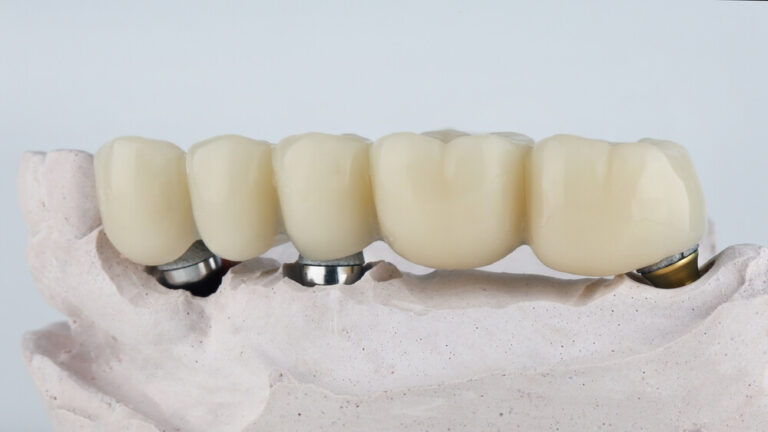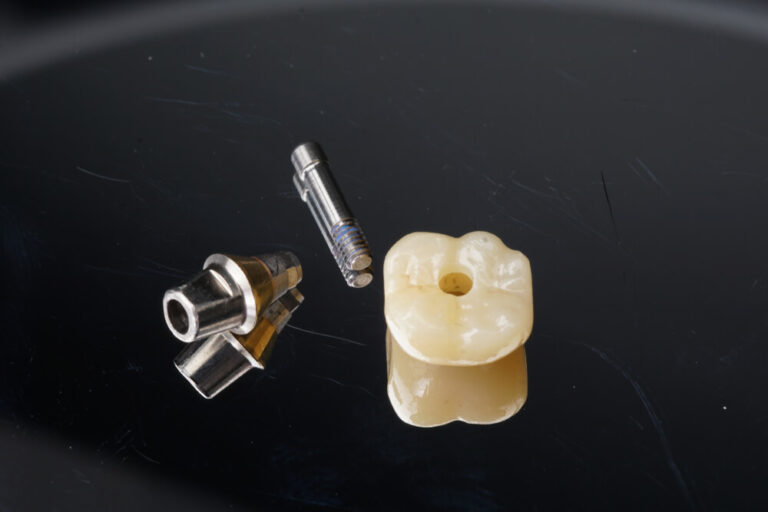

Crowns and bridges are essential treatments in restorative dentistry, used to repair damaged teeth or replace missing ones. Traditionally, these restorations were made with metal-based frameworks covered in porcelain for a natural look. However, advances in materials science and technology have led to the rise of all-ceramic crowns and bridges. These restorations eliminate metal entirely, offering a combination of strength, aesthetics, and biocompatibility. Catalis Dental Lab Partners highlights how patients in Phoenix, Arizona, and Warren, Michigan, can benefit from understanding the progress in this area of modern dentistry.
All-ceramic restorations are not only visually appealing but also durable, making them a popular choice for both front and back teeth. They closely mimic the natural translucency of enamel, providing a lifelike appearance that metal-based options often lack. With new materials and techniques, all-ceramic crowns and bridges have become a reliable solution for patients seeking both beauty and function.
Aesthetic Advantages of All-Ceramic Materials
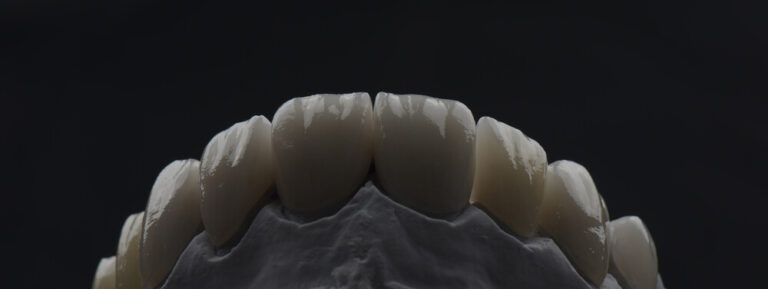
One of the most significant advantages of all-ceramic restorations is their superior aesthetics. Unlike porcelain-fused-to-metal crowns, which can sometimes reveal a dark line at the gumline, all-ceramic restorations are metal-free and therefore provide a more seamless, natural look. The translucency of modern ceramics allows crowns and bridges to blend harmoniously with surrounding teeth, making them nearly indistinguishable from natural enamel.
Patients who are concerned about the appearance of their smile often prefer all-ceramic crowns and bridges for this reason. They are especially effective for front teeth, where cosmetic results are most important. With ongoing improvements in ceramic technology, dental professionals can now provide restorations that meet the highest standards of beauty while also maintaining long-lasting function.
Strength and Durability in Modern Ceramics
While early versions of ceramic restorations were limited in strength, recent innovations have greatly improved their durability. Materials such as zirconia and lithium disilicate have revolutionized all-ceramic dentistry, making these restorations strong enough to withstand the forces of chewing and grinding.
Zirconia crowns, for example, are exceptionally tough and resistant to fracture, making them suitable even for back teeth. Lithium disilicate crowns combine strength with translucency, striking a balance between aesthetics and durability. For patients, this means all-ceramic options can be used in almost any part of the mouth without compromising function. The increased longevity of these restorations provides peace of mind, as they can withstand daily wear and continue looking natural for many years.
Biocompatibility and Oral Health Benefits
Another important advantage of all-ceramic restorations is their biocompatibility. Because they do not contain metal, they are less likely to cause allergic reactions or gum irritation. Patients with sensitivities to certain metals often find ceramic crowns and bridges to be a healthier alternative.
Additionally, the smooth surface of ceramic materials resists plaque accumulation better than some metal-based restorations. This contributes to healthier gums and a reduced risk of periodontal issues. Patients benefit from restorations that not only look and function well but also support overall oral health in the long term.
Technological Innovations in Fabrication
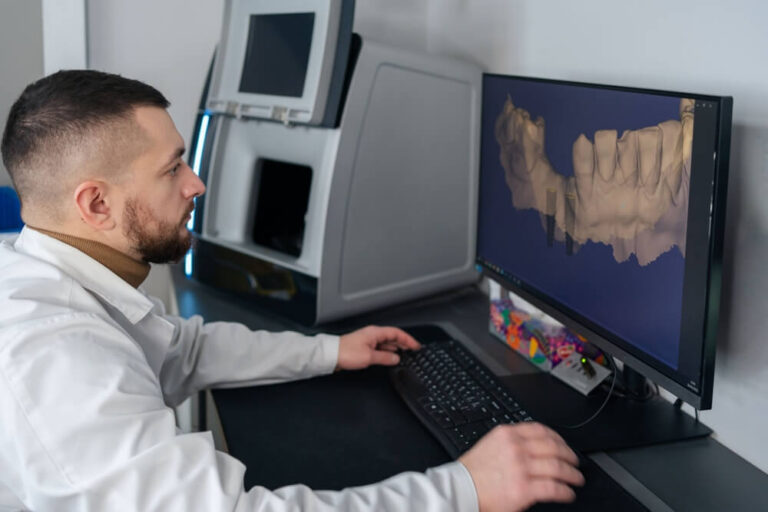
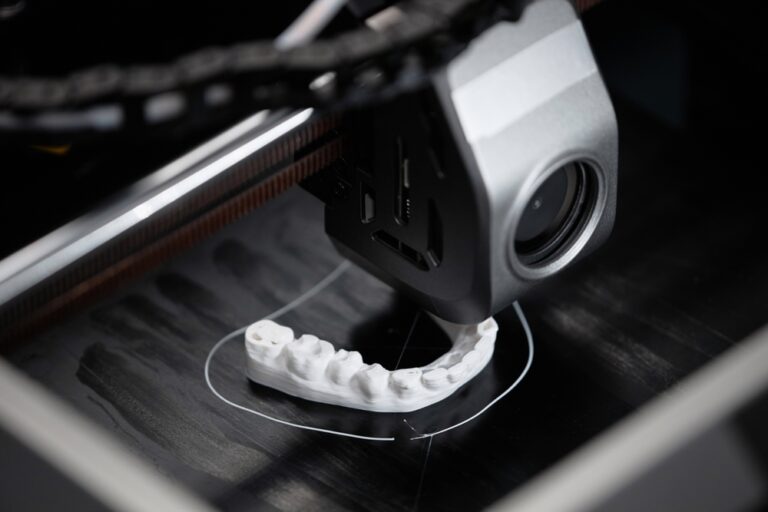
The fabrication of all-ceramic crowns and bridges has been transformed by digital dentistry. Computer-aided design and manufacturing (CAD/CAM) allows for precise and efficient creation of restorations. Digital impressions eliminate the need for traditional molds, improving accuracy and patient comfort.
With CAD/CAM, restorations can be designed and milled in a fraction of the time it once took, reducing the number of appointments required. This efficiency benefits patients by minimizing treatment delays and ensuring a more comfortable experience. For communities in Phoenix and Warren, these advances make modern dental care more accessible and effective than ever before.
Patient Experience and Long-Term Benefits
For patients, the experience of receiving all-ceramic restorations often feels more streamlined and satisfying compared to traditional methods. The combination of aesthetics, comfort, and strength results in a restoration that not only improves function but also enhances confidence. Patients report greater satisfaction with the natural look and feel of all-ceramic crowns and bridges.
The long-term benefits extend beyond appearance. With proper care, all-ceramic restorations can last for many years, maintaining both beauty and strength. Catalis Dental Lab Partners emphasizes that for patients in Phoenix, Arizona, and Warren, Michigan, advances in ceramic materials and digital technology ensure that crowns and bridges are no longer just replacements, but lasting investments in oral health and quality of life.
References
Gracis, S., Thompson, V. P., Ferencz, J. L., Silva, N. R., & Bonfante, E. A. (2015). A New Classification System for All-Ceramic and Ceramic-like Restorative Materials. International Journal of Prosthodontics.
Denry, I., & Kelly, J. R. (2014). Emerging Ceramic-Based Materials for Dentistry. Journal of Dental Research.
Sailer, I., Fehér, A., Filser, F., Gauckler, L. J., Lüthy, H., & Hämmerle, C. H. (2007). Prospective Clinical Study of All-Ceramic Crowns and Bridges in Posterior Regions. Journal of Prosthetic Dentistry.