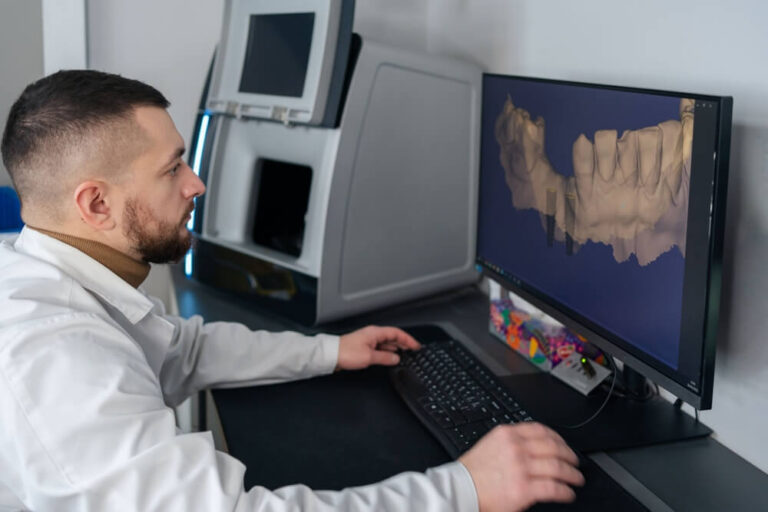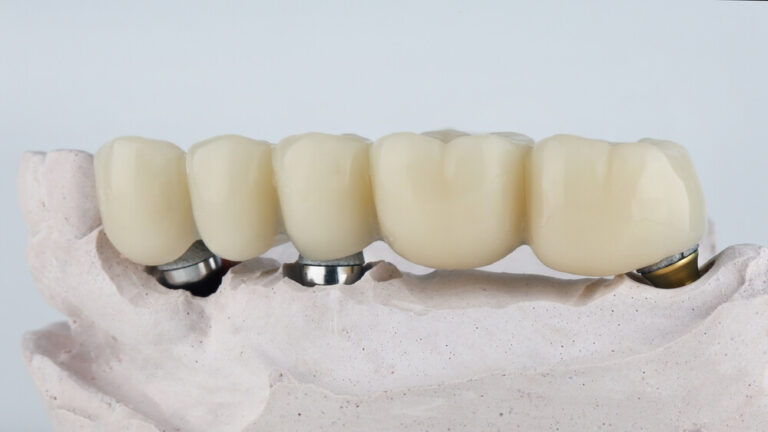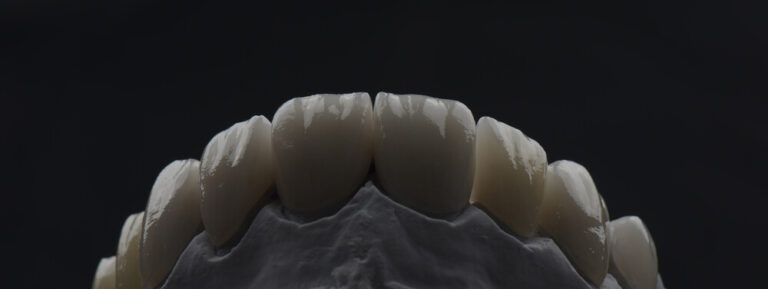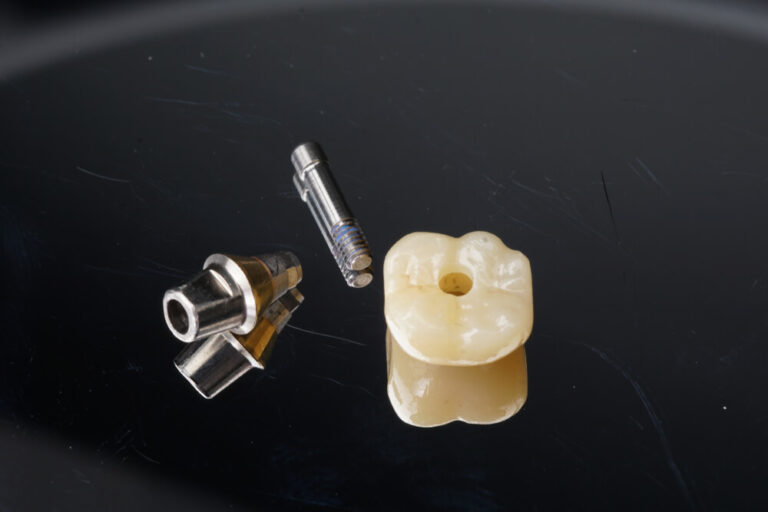
Dentures have long been an essential solution for patients who have lost multiple teeth, restoring both appearance and function. While traditional dentures have provided reliable results for decades, advancements in dental technology have transformed the way these appliances are made. One of the most notable innovations is the use of CAD/CAM (computer-aided design and computer-aided manufacturing) technology to mill dentures with unparalleled accuracy. Catalis Dental Lab Partners highlights the benefits of this modern approach for patients in Phoenix, Arizona, and Warren, Michigan, who may be considering denture treatment.
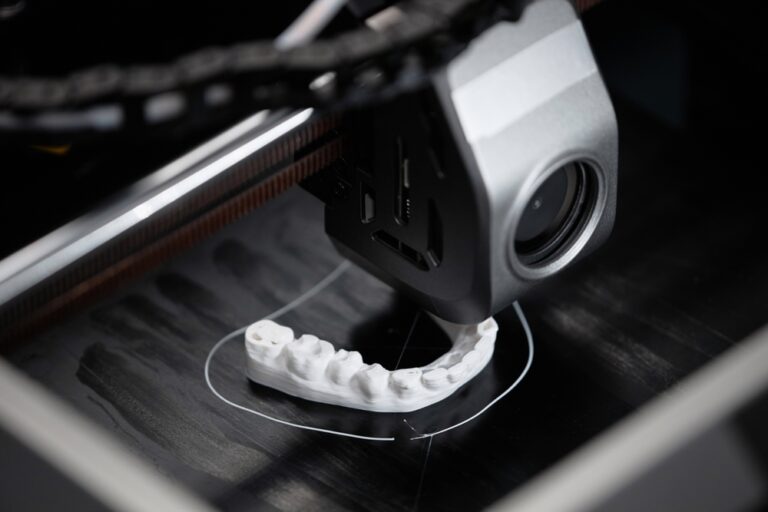
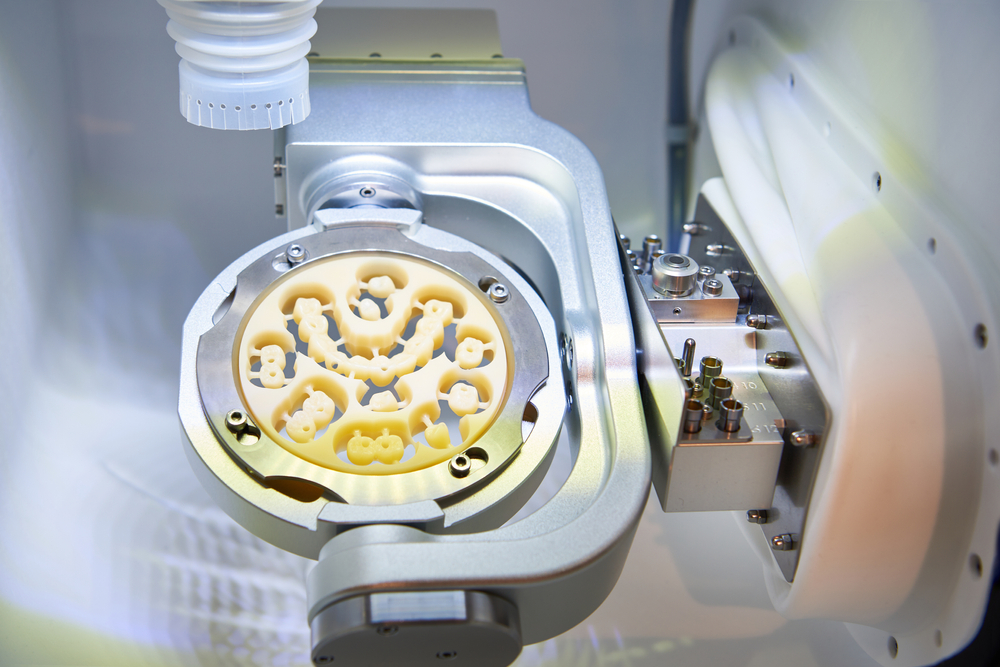
Unlike conventional methods that rely on manual impressions, wax try-ins, and layered acrylics, CAD/CAM dentures are digitally designed and fabricated from pre-polymerized acrylic blocks. This process results in stronger, more precise, and more aesthetically natural dentures. For patients, the difference can be significant in terms of comfort, durability, and confidence.
Precision and Fit
One of the greatest challenges with conventional dentures is achieving an accurate fit. Even with skilled craftsmanship, traditional methods depend heavily on manual impressions and multiple adjustments. In contrast, CAD/CAM technology uses digital scans to capture highly precise images of a patient’s mouth, ensuring a more accurate fit from the start.
This precision reduces the need for repeated adjustments and helps prevent common issues like sore spots, slippage, and discomfort. For patients, this means a smoother transition to wearing dentures and less frustration throughout the process. In Phoenix and Warren, where patients seek reliable and efficient treatment options, CAD/CAM-milled dentures provide a solution that prioritizes both accuracy and comfort.
Durability and Strength
Conventional dentures are typically made by layering acrylic resin, which can leave microscopic voids in the material. Over time, these weak points may lead to fractures or wear. CAD/CAM dentures, however, are milled from solid, pre-polymerized acrylic blocks that have undergone controlled manufacturing processes to increase strength and reduce porosity.
The result is a denture that is less likely to break or wear down prematurely. This added durability gives patients greater confidence in their dentures, knowing they can withstand daily use. Stronger materials also mean less frequent replacements, which benefits patients financially and reduces the inconvenience of multiple dental visits over the years.
Aesthetics and Natural Appearance
Dentures are not only functional but also play a significant role in a patient’s appearance and self-esteem. CAD/CAM-milled dentures allow for enhanced customization of tooth shape, size, and arrangement. Digital design tools enable dental professionals to create restorations that closely match a patient’s natural smile, improving both aesthetics and confidence.
Because CAD/CAM processes can replicate precise anatomy, the dentures also enhance facial support, contributing to a more youthful appearance. For patients who may feel self-conscious about wearing dentures, this added realism makes a substantial difference in quality of life.
Efficiency and Reduced Chair Time
Another major advantage of CAD/CAM dentures is the efficiency of the process. Traditional dentures often require multiple appointments, adjustments, and remakes before achieving a satisfactory fit. With digital workflows, the process is streamlined. Once scans are taken, the digital design can be quickly transferred to milling machines, significantly reducing turnaround times.
Patients benefit from fewer dental visits and shorter waiting periods. This efficiency is especially valuable for those in busy communities like Phoenix and Warren, where convenience is a priority. By minimizing delays, CAD/CAM technology helps patients regain their smiles faster, improving both function and overall well-being.
Long-Term Benefits and Records
A unique feature of CAD/CAM dentures is the ability to store digital records of a patient’s design. This means that if a denture is lost, damaged, or needs replacement, a new set can be fabricated quickly without starting the process from scratch. For patients, this not only saves time but also ensures consistency in quality and fit.
Over time, this digital record-keeping provides peace of mind, as patients know their dental care is supported by advanced systems that prioritize both efficiency and accuracy. This long-term benefit is not available with conventional dentures, making CAD/CAM technology a forward-thinking solution for modern dental care.
The Patient Experience with CAD/CAM Dentures
From improved comfort to natural aesthetics, CAD/CAM-milled dentures enhance nearly every aspect of the patient experience. Patients often report greater satisfaction because their dentures fit better, last longer, and look more natural. The reduced need for adjustments also lessens frustration and enhances confidence in daily life.
Catalis Dental Lab Partners emphasizes that for patients in Phoenix, Arizona, and Warren, Michigan, CAD/CAM technology represents a new standard of care. By combining precision engineering, strong materials, and digital design, CAD/CAM dentures provide a solution that is both advanced and patient-centered, offering significant advantages over conventional dentures.
References
Bidra, A. S., Taylor, T. D., & Agar, J. R. (2013). Computer-Aided Technology for Fabricating Complete Dentures: Systematic Review of Historical Background, Current Status, and Future Perspectives. Journal of Prosthetic Dentistry.
Goodacre, B. J., Goodacre, C. J., Baba, N. Z., & Kattadiyil, M. T. (2016). CAD/CAM Fabrication of Complete Dentures: Concepts and Clinical Methods. Journal of Prosthetic Dentistry.
Kattadiyil, M. T., Goodacre, C. J., & Baba, N. Z. (2013). CAD/CAM Complete Dentures: A Review of Two Commercially Available Systems. Journal of Prosthodontics.