Creating lifelike dental restorations requires precision, artistry, and advanced technology. Catalis Dental Lab Partners, serving Phoenix, Arizona, and Warren, Michigan, recognizes how digital innovations have transformed the field of aesthetic dentistry. Among these advances, digital shade matching stands out as a crucial development that enhances the accuracy and consistency of restorative results. Understanding the science and process behind digital shade matching helps dental professionals and patients alike appreciate the remarkable improvements it brings to modern dental restorations.
The Evolution of Shade Matching in Dentistry
Traditional shade matching relied heavily on visual comparisons using physical shade guides. While this method provided a foundation for color selection, it often resulted in inconsistencies due to lighting conditions, observer perception, and material limitations. Even experienced technicians could struggle with achieving a perfect match, especially when dealing with complex natural tooth shades or varying translucency.
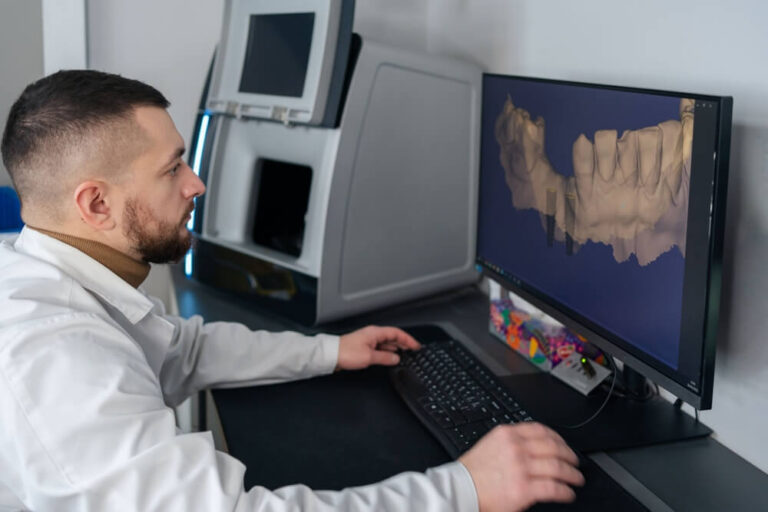
Digital shade matching emerged as a solution to these challenges, harnessing the power of imaging systems and software to analyze tooth color with precision. By capturing data under controlled lighting and converting it into numerical values, digital tools minimize human error and create a standardized approach to shade determination. This technological evolution has not only streamlined laboratory workflows but also improved communication between dental offices and laboratories, ensuring greater predictability and harmony in the final restorations.
How Digital Shade Matching Works
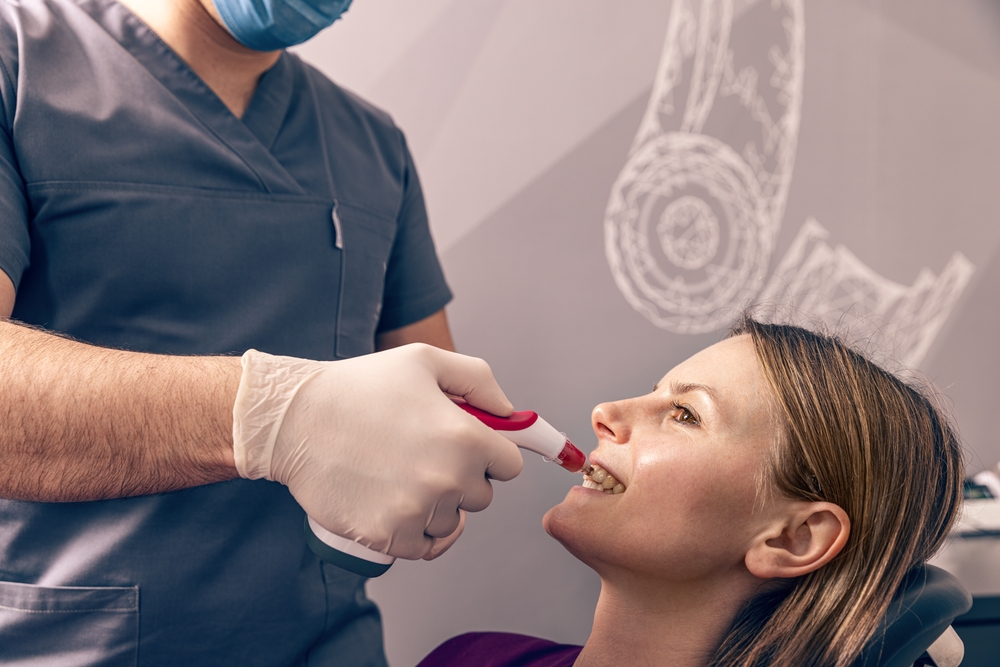
Digital shade matching systems use high-resolution cameras or spectrophotometers to capture the exact color profile of a patient’s tooth. These devices assess the hue, value, and chroma—key components of color science—while also evaluating translucency and surface texture. The data is then interpreted through specialized software that generates an objective shade analysis.
This process can be summarized in a few essential steps:
- The tooth surface is cleaned and prepared under standardized lighting conditions.
- The digital shade device captures an image or reading of the tooth.
- The system analyzes color components and recommends a matching restorative shade.
- The digital data is transmitted to the dental laboratory for precise fabrication.
The result is a restoration that blends seamlessly with the patient’s natural dentition. Digital tools also enable easy reproduction of previous shades for future restorations, ensuring consistency and long-term aesthetic harmony.
Advantages of Digital Shade Matching for Aesthetic Restorations
The greatest advantage of digital shade matching lies in its consistency and accuracy. Unlike traditional methods, which rely on subjective color perception, digital devices measure shade values quantitatively. This objectivity reduces communication errors between clinicians and laboratory technicians, resulting in fewer remakes and adjustments.
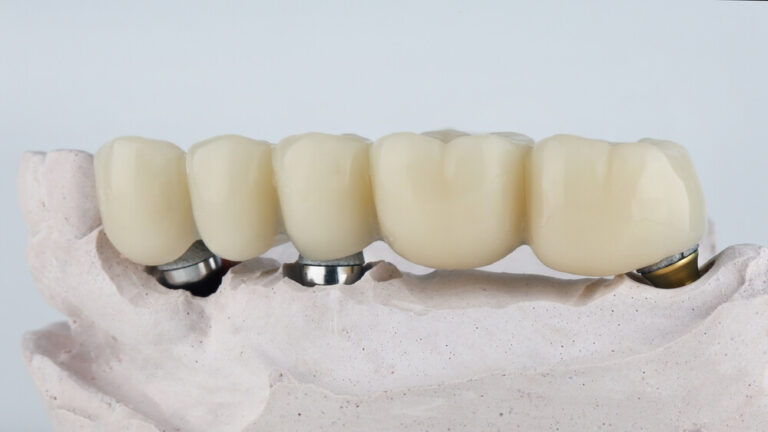
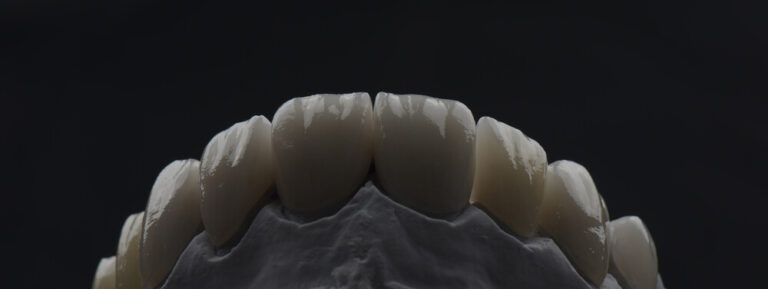
In addition to accuracy, digital systems improve efficiency by simplifying the shade-taking process. Technicians can store, compare, and reproduce shades with ease, making it possible to maintain comprehensive digital records for each patient. For aesthetic restorations such as veneers, crowns, or bridges, this level of precision ensures that restorations mimic the natural luster, translucency, and tonal variation of real teeth. The technology also enhances patient satisfaction, as digital demonstrations help them visualize expected outcomes before fabrication begins.
The Future of Digital Aesthetics
As dental technology continues to advance, digital shade matching is becoming increasingly integrated into broader digital workflows. When combined with CAD/CAM systems, 3D imaging, and AI-assisted design, shade matching contributes to a fully digital restorative process. This synergy enhances both clinical and laboratory precision, fostering better collaboration between dental teams and ensuring optimal patient results.
The future promises even more refined color-matching capabilities, with developments in AI algorithms and material sciences enabling restorations that are virtually indistinguishable from natural teeth. For dental professionals in cities like Phoenix, Arizona, and Warren, Michigan, these innovations continue to raise the bar for what is possible in aesthetic dentistry. Catalis Dental Lab Partners acknowledges this transformation as part of a broader commitment to digital excellence and the pursuit of flawless restorative outcomes.
Resources
Joiner, A. (2016). Tooth Color: A Review of the Literature. Journal of Dentistry.
Igiel, C., Lehmann, K. M., Ghinea, R., Weyhrauch, M., Hangx, Y., & Scheller, H. (2017). Reliability of Dental Shade Determination. Journal of Esthetic and Restorative Dentistry.
Chu, S. J., Trushkowsky, R. D., & Paravina, R. D. (2010). Dental Color Matching Instruments and Systems: Review of Clinical and Research Aspects. Journal of Dentistry.