Sleep apnea and snoring are more than nighttime inconveniences; they are medical concerns that can significantly impact overall health and quality of life. Sleep apnea occurs when breathing repeatedly stops and starts during sleep, often due to airway obstruction. Snoring, though sometimes less severe, can also signal underlying airway issues. For patients in Phoenix, Arizona, and Warren, Michigan, these conditions can lead to fatigue, cardiovascular problems, and reduced quality of sleep. Catalis Dental Lab Partners emphasizes the importance of understanding how dental solutions play a role in addressing these concerns.
Dentists and sleep specialists often work together to diagnose and manage these conditions. While medical interventions such as CPAP (Continuous Positive Airway Pressure) machines are common, many patients benefit from oral appliances designed and fabricated with the expertise of dental laboratories. These devices provide alternative or supplemental treatment options that can improve comfort and compliance.
The Role of Oral Appliances in Treatment
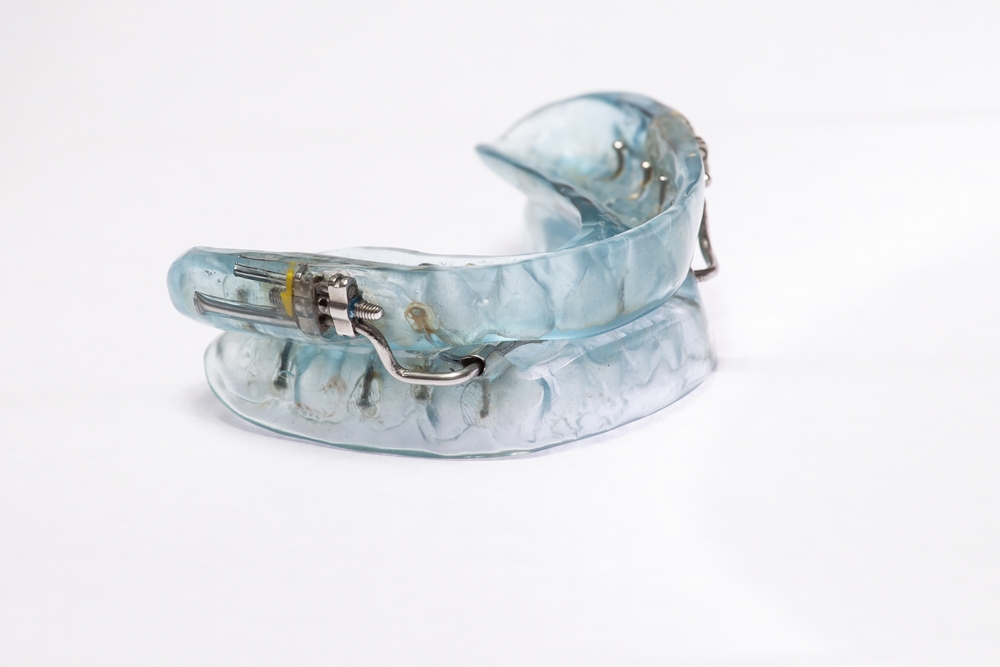
Oral appliances for sleep apnea and snoring are custom-made devices that adjust the position of the jaw or tongue to keep the airway open during sleep. Unlike one-size-fits-all options available over the counter, these appliances are tailored to a patient’s unique anatomy, ensuring both comfort and effectiveness.
The two most common types of appliances include mandibular advancement devices (MADs), which move the lower jaw slightly forward, and tongue-retaining devices (TRDs), which hold the tongue in place to prevent airway blockage. For patients who struggle with CPAP machines, these oral appliances provide a less intrusive alternative, encouraging consistent use and better treatment outcomes.
How Dental Labs Support Treatment
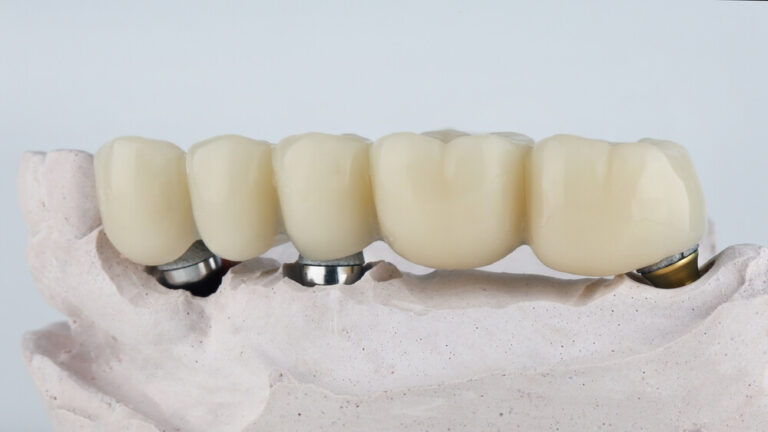
Dental labs are responsible for creating the precise appliances prescribed by dentists. Their role includes interpreting dental impressions, scans, and treatment plans to fabricate devices that fit comfortably and function correctly. This collaboration ensures that patients receive appliances that align with their specific needs, reducing the likelihood of discomfort or poor results.
Labs also play a critical role in quality control. Each device must be made with durable, biocompatible materials that can withstand nightly use. By maintaining high standards, labs ensure that patients experience long-term benefits from their appliances. The precision and attention to detail in the lab are directly reflected in the effectiveness of the treatment for sleep apnea and snoring.
Advantages of Dental Lab-Fabricated Appliances
Custom appliances produced by dental labs offer several advantages over generic options:
- Personalized fit tailored to each patient’s mouth for maximum comfort
- Improved effectiveness in keeping airways open during sleep
- Enhanced compliance since comfortable devices are more likely to be used consistently
- Durability from high-quality materials designed for regular use
- Integration with treatment plans to align with a dentist’s or sleep specialist’s recommendations
For patients in Phoenix and Warren, these benefits can mean fewer sleepless nights, reduced health risks, and a noticeable improvement in daily energy levels and well-being.
The Impact on Patient Health and Quality of Life
Treating sleep apnea and snoring has profound effects beyond improving sleep. Consistent treatment reduces the risk of heart disease, high blood pressure, and stroke. It also alleviates daytime fatigue, helping patients remain more alert, productive, and engaged in daily activities.
From a quality-of-life perspective, patients often report improved relationships and emotional health when snoring and apnea are addressed. Sleep disturbances affect not only the individual but also their partners, making treatment beneficial for entire households. The role of dental labs in producing effective appliances is therefore critical in supporting healthier lifestyles and stronger interpersonal connections.
The Future of Dental Solutions for Sleep Apnea
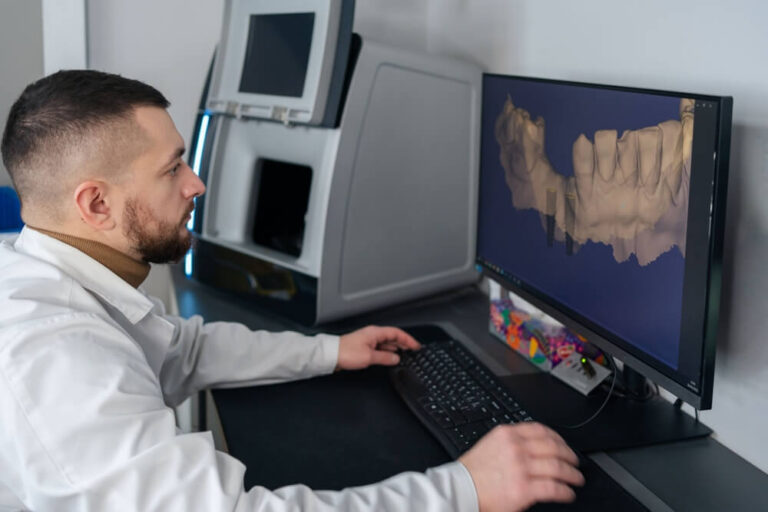
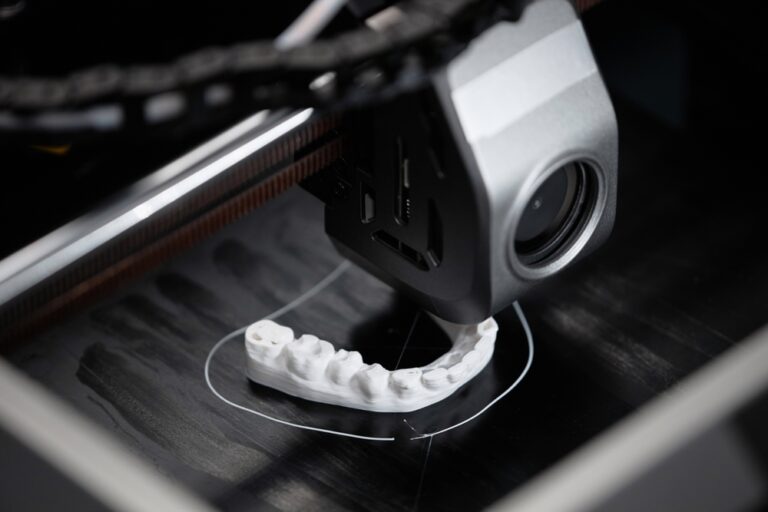
As technology continues to advance, dental labs are incorporating digital workflows and 3D printing to improve the precision and efficiency of appliance fabrication. Digital impressions reduce the need for messy traditional molds, while computer-aided design allows for more accurate and patient-specific devices. These innovations are making it easier for patients in Phoenix and Warren to access high-quality care that fits seamlessly into their treatment plans.
Catalis Dental Lab Partners highlights that dental labs play an integral role in providing solutions for sleep apnea and snoring. By combining technical expertise, advanced technology, and collaboration with dental professionals, labs ensure that patients receive effective, comfortable, and lasting treatments that contribute to better sleep and overall health.
References
Epstein, L. J., Kristo, D., Strollo, P. J., Friedman, N., Malhotra, A., Patil, S. P., & Weinstein, M. D. (2009). Clinical Guideline for the Evaluation, Management and Long-term Care of Obstructive Sleep Apnea in Adults. Journal of Clinical Sleep Medicine.
Sutherland, K., Vanderveken, O. M., Tsuda, H., Marklund, M., Gagnadoux, F., Kushida, C. A., & Cistulli, P. A. (2014). Oral Appliance Treatment for Obstructive Sleep Apnea: An Update. Journal of Clinical Sleep Medicine.
Ramar, K., Dort, L. C., Katz, S. G., Lettieri, C. J., Harrod, C. G., Thomas, S. M., & Chervin, R. D. (2015). Clinical Practice Guideline for the Treatment of Obstructive Sleep Apnea and Snoring with Oral Appliance Therapy. Journal of Clinical Sleep Medicine.