
Dental restorations require precision, and one of the most essential tools used in dentistry and dental laboratories is the articulator. These devices replicate jaw movement, allowing dental professionals to study how upper and lower teeth come together. By using articulators, dentists and technicians can design crowns, dentures, and bridges that align properly with a patient’s bite. Catalis Dental Lab Partners recognizes the value of articulators in ensuring that patients in Phoenix, Arizona, and Warren, Michigan, receive restorations that are both functional and comfortable.
Articulators come in different forms, each suited to specific treatment needs. Their purpose is to provide a controlled environment outside of the mouth where dental professionals can test and refine appliances before fitting them in patients. This reduces errors, improves comfort, and enhances long-term outcomes. For patients, this means more efficient appointments, fewer adjustments, and dental restorations that support natural chewing and speaking functions.
Basic Dental Articulators
The simplest type of articulator is the hinge articulator. This device allows only a basic opening and closing movement, simulating the most straightforward action of the jaw. While limited in scope, hinge articulators are sometimes used in cases where intricate jaw movements do not need to be replicated, such as simple single-crown restorations.
Another entry-level option is the mean value articulator, which works on average jaw measurements rather than those of an individual patient. While not as precise, it can still be helpful for straightforward restorative work where exact replication of jaw movement is less critical. Patients should understand that while these basic articulators have limitations, they can still be beneficial for certain dental treatments.
Semi-Adjustable Articulators
Semi-adjustable articulators are more advanced and widely used in modern dentistry. These devices allow replication of movements such as protrusion (forward jaw movement) and lateral excursions (side-to-side movement). By doing so, they provide a much clearer representation of how a patient’s bite functions in real life.
For patients needing complex restorations like multiple crowns, bridges, or dentures, semi-adjustable articulators help ensure that the bite feels natural and stable. They reduce the risk of restorations causing discomfort or uneven pressure on teeth, which could lead to jaw pain or long-term dental issues. Because these articulators strike a balance between accuracy and practicality, they are among the most common tools used in dental labs.
Fully Adjustable Articulators
Fully adjustable articulators represent the most sophisticated type of these devices. They can mimic the full range of a patient’s jaw movements with a high degree of accuracy. These articulators require detailed measurements, often obtained through specialized techniques such as facebow transfers and jaw registration.
Although more complex to use, fully adjustable articulators are invaluable in cases involving significant restorative or reconstructive work. They are especially useful for patients with complex jaw alignment issues or extensive prosthodontic needs. For patients in Phoenix and Warren undergoing advanced dental treatments, these articulators help ensure the restorations fit seamlessly with their natural movements, reducing discomfort and promoting long-term oral health.
How Articulators Benefit Patients
While patients may never see or handle an articulator, its role in their care is crucial. By allowing dental professionals to test restorations outside the mouth, articulators reduce the number of adjustments needed once the restoration is placed. This translates to fewer appointments and a more comfortable experience.
Articulators also help prevent problems such as misaligned bites, uneven wear on teeth, or jaw joint discomfort. Properly designed restorations improve chewing efficiency, protect natural teeth, and support healthy jaw function. Patients can feel confident knowing that these devices contribute significantly to the precision and quality of their treatment.
Technology and the Future of Articulators
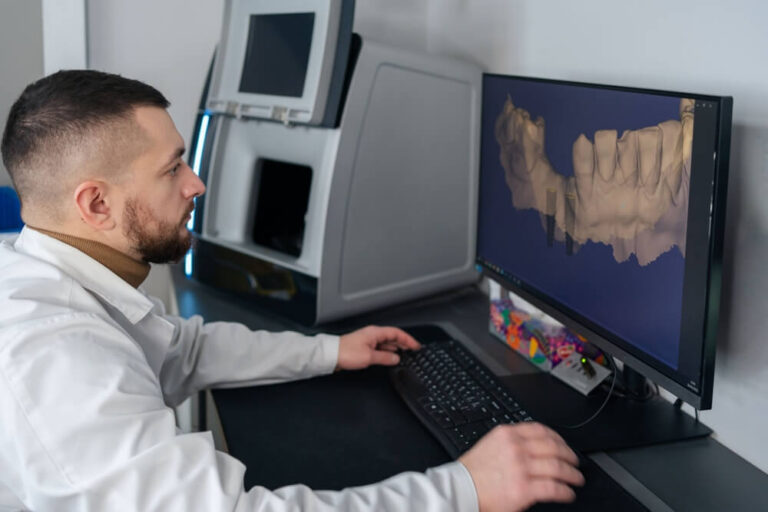
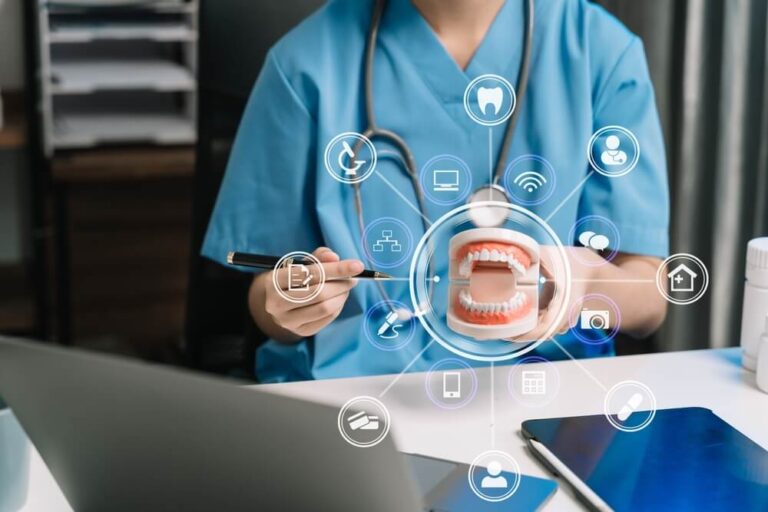
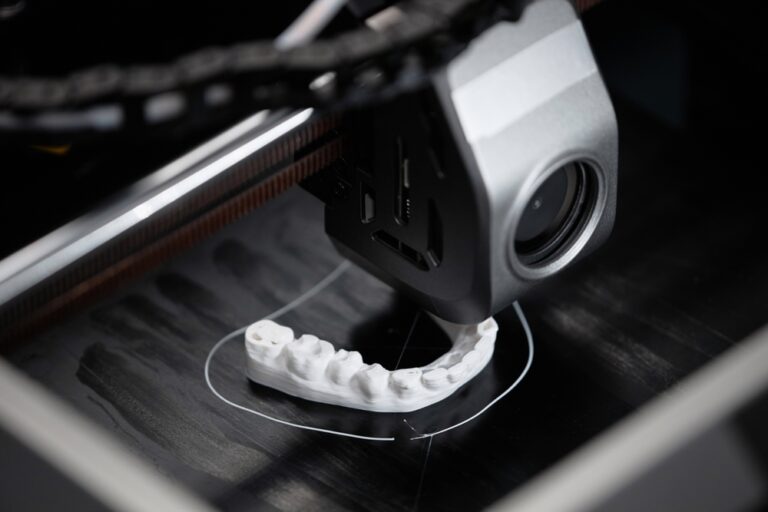
Modern dentistry has integrated digital technologies with traditional articulators, enhancing their usefulness. Digital articulators, used in combination with 3D scans and computer-aided design (CAD), allow virtual simulation of jaw movements. This reduces the need for physical models while maintaining a high level of accuracy.
For patients, this integration of technology means faster turnaround times for restorations and even greater precision. As dental practices in Phoenix and Warren adopt these technologies, the role of articulators continues to expand, ensuring patients receive treatments tailored to their exact needs. Catalis Dental Lab Partners emphasizes that advancements in articulator use highlight the ongoing evolution of dental care, where precision tools and modern technology come together to create healthier, more functional smiles.
References
Okeson, J. P. (2019). Management of Temporomandibular Disorders and Occlusion. Elsevier.
Rosenstiel, S. F., Land, M. F., & Fujimoto, J. (2015). Contemporary Fixed Prosthodontics. Elsevier.
Kois, J. C. (2013). Diagnosing and Treating Occlusal Disease: A Clinical Perspective. Compendium of Continuing Education in Dentistry.