When it comes to delivering high-quality dental care, strong communication between dental labs and dentists plays a critical role. Catalis Dental Lab Partners recognizes how vital this collaboration is for patients in Phoenix, Arizona, and Warren, Michigan, who rely on precise and effective restorations for their oral health. A patient’s treatment is not just about clinical expertise in the dental chair; it also involves behind-the-scenes work in the lab, where crowns, bridges, dentures, and implants are fabricated.
If there is a breakdown in communication, errors can occur in fit, function, and aesthetics. This can result in delays, added costs, and unnecessary discomfort for patients. When communication is clear and consistent, however, patients benefit from timely care, accurate results, and a smoother treatment experience. Understanding this dynamic helps patients appreciate the teamwork that ensures their dental restorations meet both functional and cosmetic needs.
The Role of the Dental Lab in Patient Care
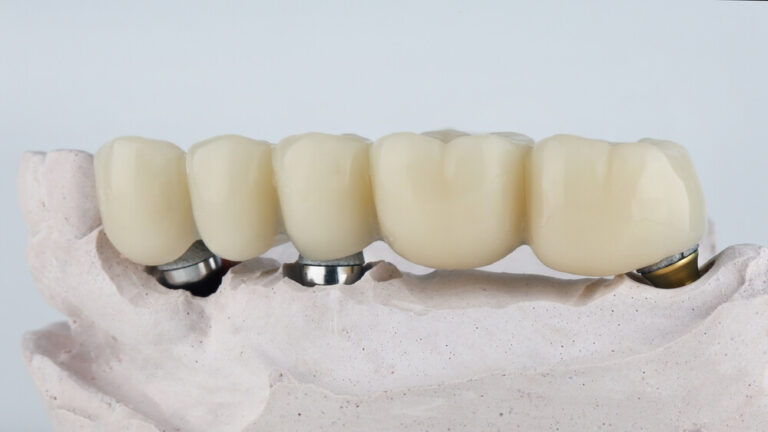
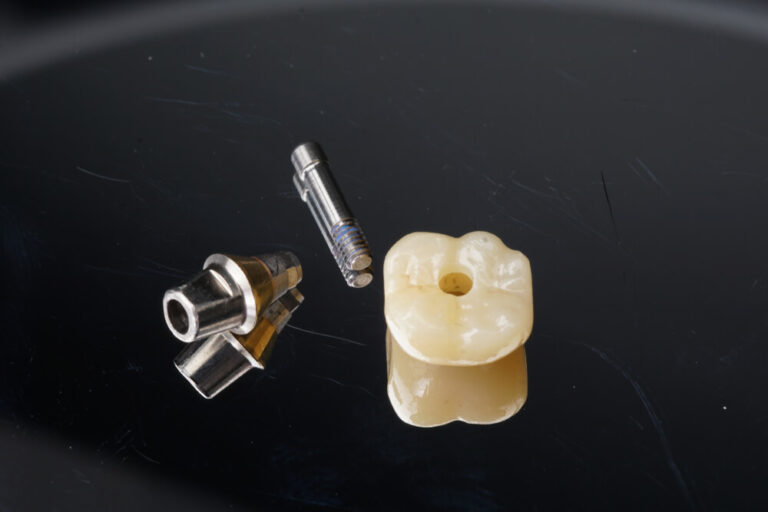
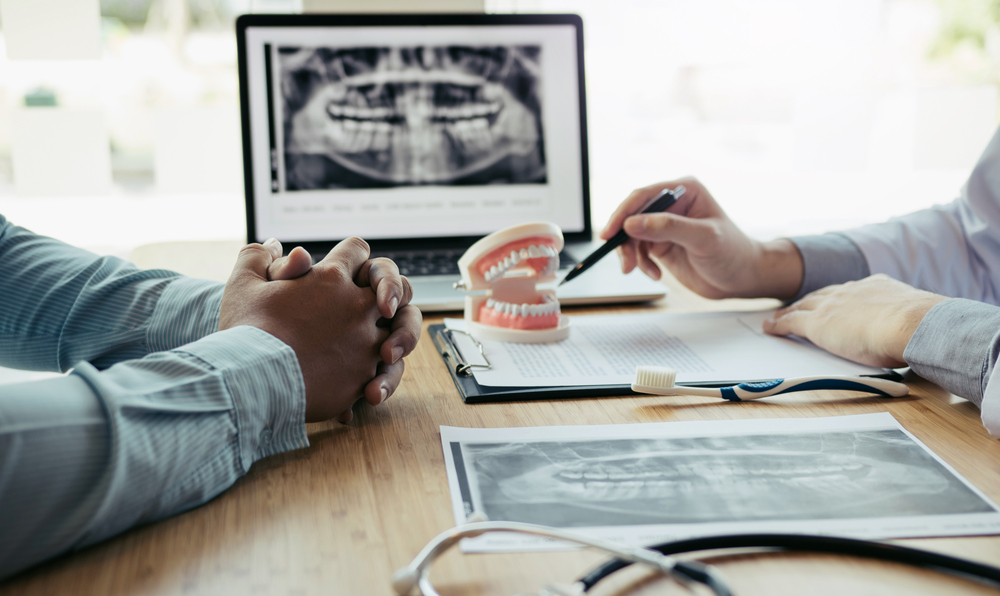
Dental labs are responsible for crafting custom-made appliances that restore smiles and improve dental function. Every restoration must be created with precision, taking into account a patient’s bite, anatomy, and specific treatment goals. Dentists depend on labs to translate their treatment plans into tangible results, and this can only be accomplished through clear and detailed communication.
For example, a dentist might provide impressions, digital scans, or written instructions, but if important details are missing or misunderstood, the lab may have to make assumptions. These assumptions can lead to remakes or adjustments, which delay the patient’s progress. Patients may not always see the lab technicians who contribute to their care, but their expertise is essential to the quality of the final result.
Common Challenges in Dentist-Lab Communication
Despite best efforts, communication between dentists and dental labs can face challenges. Some of the most common issues include:
- Incomplete or unclear prescriptions where essential details about shade, shape, or fit are missing
- Inconsistent use of digital tools that can create compatibility issues between dentist and lab software
- Time constraints that lead to rushed instructions or insufficient case planning
- Terminology differences that may cause misunderstandings between clinical and technical perspectives
These challenges highlight why strong collaboration is necessary. When dentists and labs establish standardized systems for sharing information, patients benefit from fewer errors, reduced treatment times, and restorations that meet their expectations.
How Technology Improves Communication
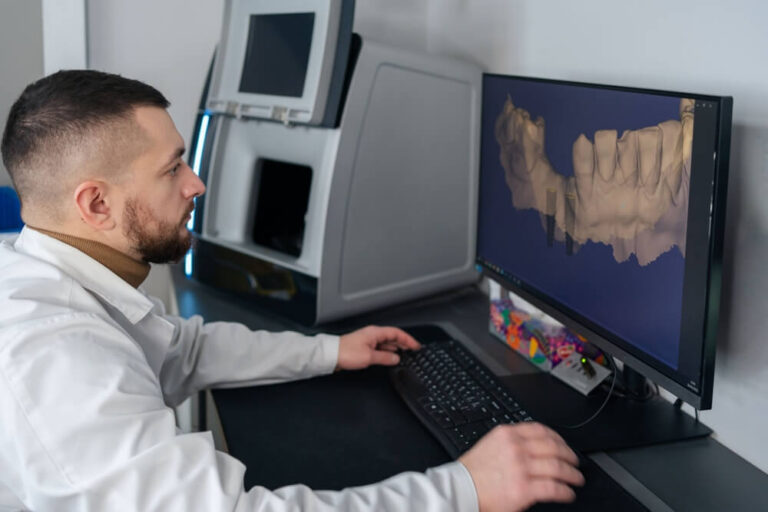
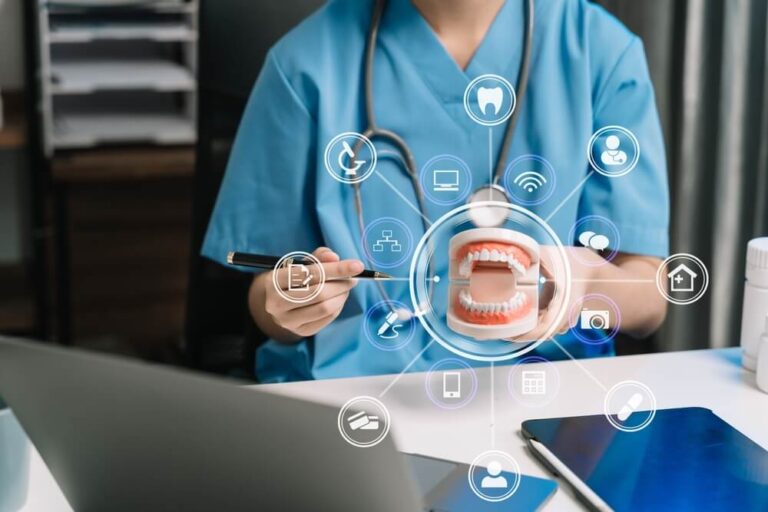
In recent years, technology has significantly enhanced communication between dental labs and dentists. Digital impressions, for example, provide a much clearer and more accurate representation of a patient’s mouth compared to traditional impressions. This reduces the chances of errors and remakes, ensuring a better fit and improved comfort for patients.
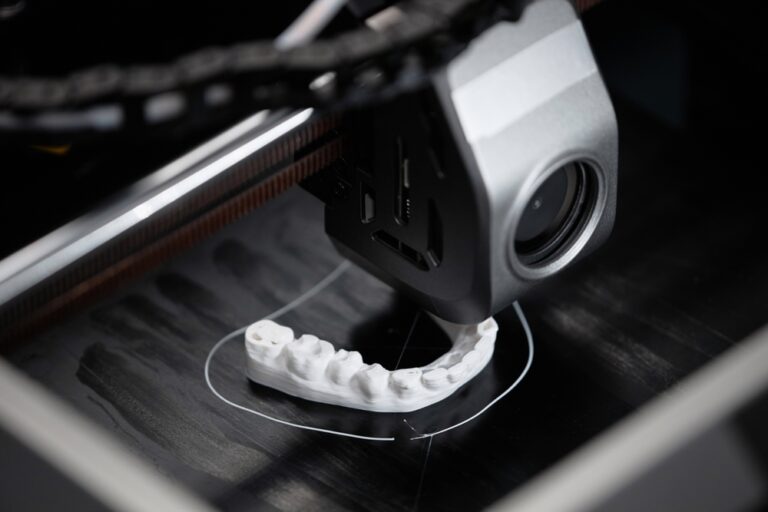
Digital platforms also allow for real-time case tracking and collaboration. Dentists and labs can share images, videos, and 3D models, making it easier to discuss adjustments before a restoration is fabricated. For patients in Phoenix and Warren, this means faster turnaround times and more reliable results. The integration of CAD/CAM technology and 3D printing has also streamlined workflows, ensuring that restorations are not only precise but also delivered more efficiently.
The Impact on Patient Outcomes
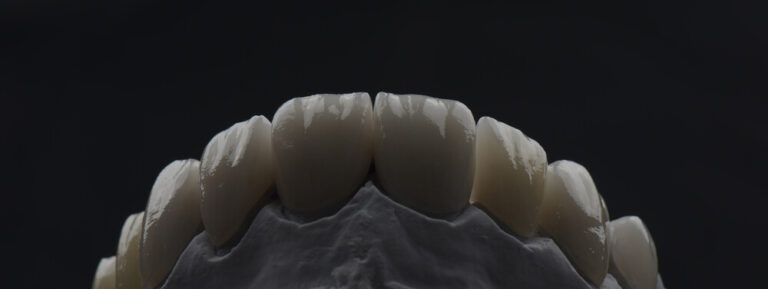
Ultimately, patients are the ones who benefit most when dentists and labs communicate effectively. A crown that fits perfectly on the first try saves patients from multiple visits. A denture designed with accurate instructions improves comfort, chewing ability, and confidence. Even cosmetic treatments such as veneers depend heavily on communication to achieve a natural, aesthetic outcome.
Good communication also fosters trust. When patients see their dentist working seamlessly with the lab to address their needs, it reassures them that they are receiving comprehensive care. This sense of collaboration helps patients feel more confident in their treatment and increases satisfaction with the final results.
The Future of Collaborative Dental Care
As dentistry continues to evolve, collaboration between labs and dentists will only grow in importance. Advances in digital workflows and remote communication tools are making it easier to share precise data and ensure consistent outcomes. Patients can expect more efficient treatment processes, fewer delays, and restorations that look and feel natural.
Catalis Dental Lab Partners emphasizes that for patients in Phoenix, Arizona, and Warren, Michigan, strong communication in dental care is more than just a technical detail—it is the foundation of quality treatment. By understanding the importance of this collaboration, patients can better appreciate the behind-the-scenes teamwork that helps them achieve healthy, functional, and beautiful smiles.
References
Goodacre, C. J., & Naylor, W. P. (2016). CAD/CAM Technology in the Fabrication of Dental Prostheses. Journal of Prosthetic Dentistry.
Miyazaki, T., Hotta, Y., Kunii, J., Kuriyama, S., & Tamaki, Y. (2009). A Review of Dental CAD/CAM: Current Status and Future Perspectives from 20 Years of Experience. Dental Materials Journal.
Christensen, G. J. (2003). Why Communication Between Dentist and Dental Technician Is Critical. Journal of the American Dental Association.