
The field of restorative dentistry has made tremendous strides toward creating dental restorations that not only restore function but also blend seamlessly with a patient’s natural teeth. One of the key factors influencing the success of aesthetic restorations is color matching. Achieving the right color harmony between the restoration and surrounding teeth is critical for a natural, pleasing appearance that boosts patient confidence. Catalis Dental Lab Partners, with locations in Phoenix, Arizona, and Warren, Michigan, understands the art and science behind color matching in dental restorations. This article explores the importance of color matching and its role in delivering truly aesthetic outcomes.
The Role of Color Matching in Patient Satisfaction
Color matching goes beyond mere cosmetic appeal—it is fundamental to patient satisfaction. Dental restorations that appear noticeably different from adjacent natural teeth can be a source of frustration and self-consciousness for patients, even if the restoration functions well. Patients seek restorations that restore not just their oral health but also the look of a healthy, natural smile.
A mismatch in color can draw unwanted attention, making a restoration stand out rather than blend in. This can affect social interactions, self-esteem, and overall quality of life. Therefore, accurately capturing and reproducing the unique shade, translucency, and texture of natural teeth is essential to meet patients’ aesthetic expectations and ensure long-term happiness with their dental work.
Understanding Tooth Color and Its Complexity
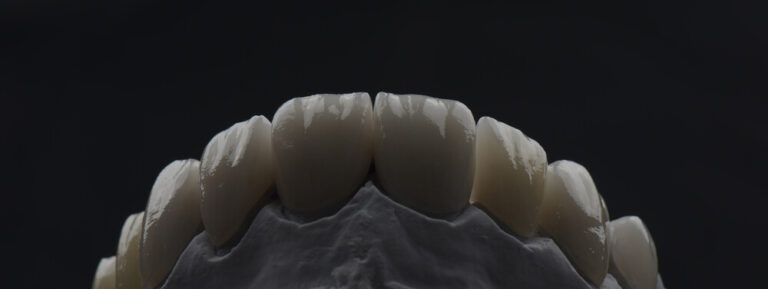
Tooth color is a complex attribute influenced by multiple factors including the enamel’s translucency, the underlying dentin’s hue, and surface texture. Natural teeth are rarely a uniform color; rather, they exhibit subtle variations and gradations across different surfaces. The incisal edges tend to be more translucent and sometimes slightly lighter, while cervical areas near the gumline can be darker or more opaque.
This complexity makes color matching a sophisticated process requiring careful evaluation under appropriate lighting conditions. Dentists and dental technicians must consider hue (the basic color), chroma (intensity or saturation of the color), and value (brightness or darkness) to recreate a lifelike restoration. Additionally, factors such as tooth hydration, aging, and staining influence color perception and must be accounted for during shade selection.
Techniques and Tools for Accurate Color Matching
Accurate color matching depends on both the clinician’s skill and the tools used during the shade selection process. Traditionally, shade guides with standardized color tabs have been used to visually compare and match tooth color. However, this method is subjective and prone to variability based on lighting, background colors, and human perception.
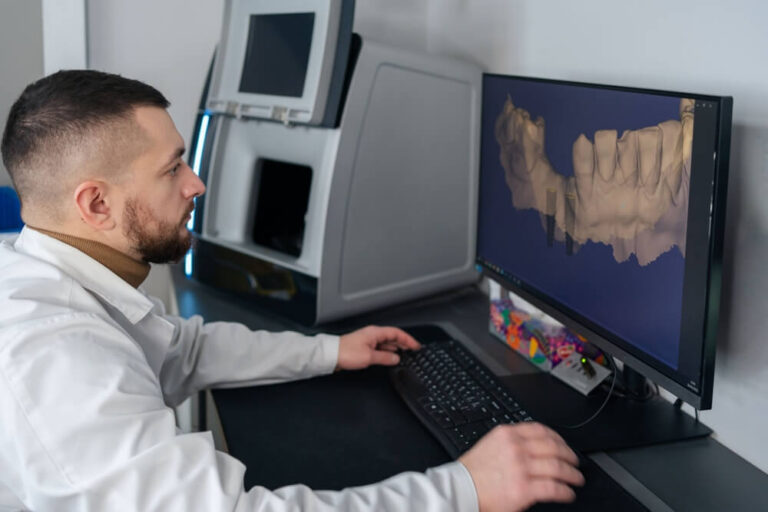
To enhance accuracy, many dental professionals now utilize advanced tools such as digital shade-matching devices and spectrophotometers. These instruments objectively analyze tooth color by measuring light reflected from the tooth surface, reducing human error and improving reproducibility. Digital photography with controlled lighting setups can also document tooth color and serve as a valuable communication tool between dentists and dental laboratories.
Impact on Laboratory Fabrication and Material Selection
Color matching does not end with shade selection—it extends into the laboratory fabrication process where technicians use the selected shade information to build restorations layer by layer. Skilled dental technicians blend ceramics or composite resins in multiple layers to mimic the translucency, fluorescence, and surface texture of natural teeth.
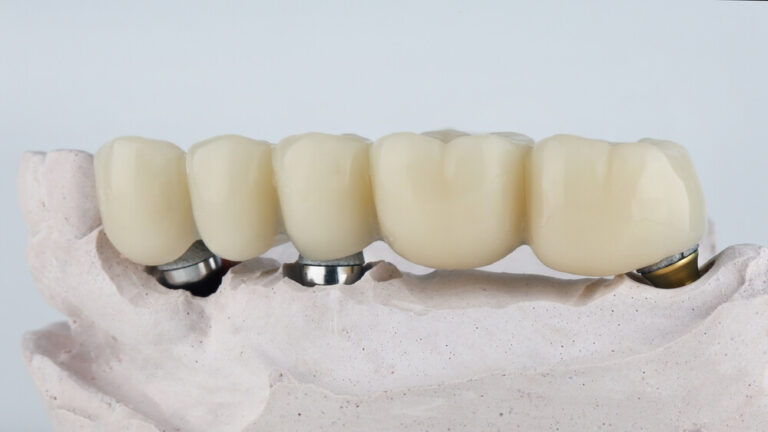
The choice of restorative material also influences color matching outcomes. For example, zirconia offers strength and durability but requires special staining techniques to achieve natural translucency. Lithium disilicate ceramics are prized for their excellent optical properties and versatility in aesthetic cases. Understanding material characteristics allows technicians to optimize the appearance of the final restoration.
Challenges and Considerations in Color Matching
Despite advancements in technology, color matching remains a challenging aspect of aesthetic dentistry. Teeth are three-dimensional structures that reflect and refract light in complex ways, which can be difficult to replicate precisely. Environmental factors such as ambient lighting and surrounding colors during clinical evaluation can alter perceived color.
Patient-specific variables such as tooth surface conditions, presence of restorations on adjacent teeth, and even differences in individual color perception can complicate shade matching. Communication between dentist and laboratory is vital to overcome these challenges, often requiring multiple consultations and adjustments to achieve the best result.
Benefits of Proper Color Matching in Aesthetic Dentistry
Proper color matching delivers multiple benefits beyond cosmetic enhancement. It promotes the longevity of restorations by minimizing the need for replacements due to aesthetic dissatisfaction. A well-matched restoration can also contribute to better oral health by encouraging patients to maintain their dental work through improved confidence and motivation.
Moreover, precise color matching enhances overall treatment outcomes by ensuring that restorations appear natural and harmonious within the patient’s smile. This can improve social interactions and psychological well-being, demonstrating the powerful connection between oral health and quality of life.
Conclusion
Color matching is a critical component of aesthetic dental restorations, influencing patient satisfaction, clinical success, and long-term outcomes. Its complexity requires a combination of technical knowledge, artistic skill, and advanced tools to capture and replicate the nuances of natural tooth color. For those in Phoenix, Arizona, and Warren, Michigan, understanding the importance of color matching underscores the commitment to delivering beautiful, natural-looking smiles that patients can feel proud of.
Resources
Pérez, M., & Lucchese, A. (2018). Advances in color matching of dental restorative materials: A review. Journal of Prosthetic Dentistry.
Seghi, R. R., & Johnston, W. M. (1989). Color match of porcelain systems. Journal of Prosthetic Dentistry.
Paravina, R. D., & Powers, J. M. (2015). Esthetic color training in dentistry: Theory and clinical practice. Quintessence Publishing.