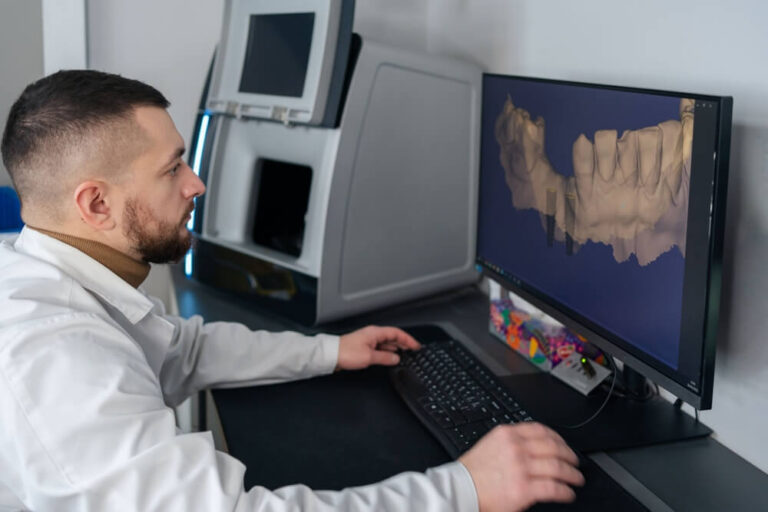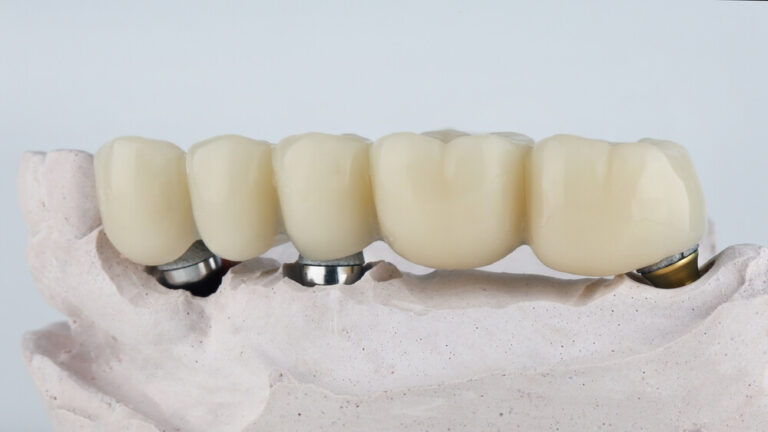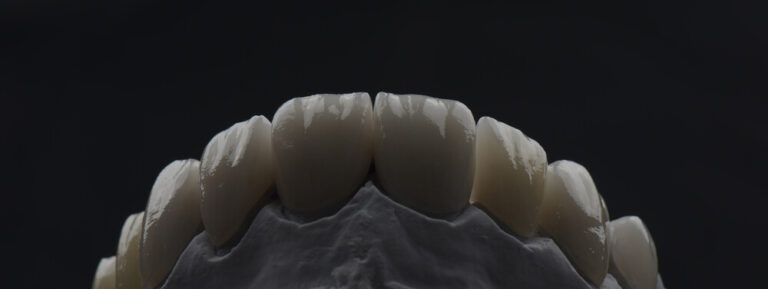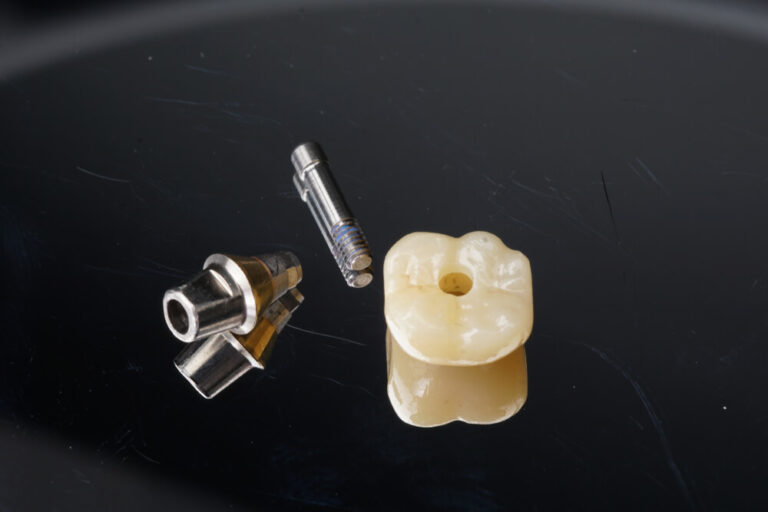
Dental restorations are essential to restoring the function, health, and aesthetics of damaged or decayed teeth. Selecting the right material for these restorations is a critical decision that affects durability, appearance, cost, and biocompatibility. Catalis Dental Lab Partners, with locations in Phoenix, Arizona, and Warren, Michigan, recognizes that understanding the various dental materials and their respective advantages and disadvantages is important for patients and dental professionals alike. This article explores the most commonly used materials in dental restorations, highlighting their pros and cons to provide a comprehensive overview.
Amalgam: A Durable but Aesthetic-Compromised Option
Dental amalgam has been used for over a century as a restorative material, primarily for filling cavities in posterior teeth. It is an alloy composed mainly of liquid mercury mixed with powdered silver, tin, and copper. One of the major advantages of amalgam is its strength and durability, especially in areas subjected to heavy chewing forces. Amalgam restorations can last many years with proper care and are relatively inexpensive compared to other materials.
However, the primary drawback of amalgam is its metallic, silver-gray appearance, which makes it less suitable for visible areas like front teeth. Its aesthetic limitations often lead patients to prefer tooth-colored alternatives. Additionally, concerns have been raised about mercury content, although current research and regulatory agencies confirm that dental amalgam is generally safe for most patients. Another downside is that amalgam requires removal of more healthy tooth structure to create retention for the restoration.
Composite Resin: Aesthetic and Versatile with Some Durability Concerns
Composite resin is a tooth-colored material composed of plastic resin and fine glass particles, designed to mimic the appearance of natural teeth. It is widely used for both anterior and posterior restorations due to its excellent aesthetic properties. Composite resin can be carefully layered and shaped to match the tooth’s color, translucency, and texture, providing a highly natural-looking restoration.
One advantage of composites is their ability to bond directly to tooth enamel and dentin, allowing for more conservative tooth preparation compared to amalgam. They also offer versatility, being used for fillings, veneers, and even small crowns. On the downside, composite restorations may have less durability over time than amalgam, particularly in areas with heavy bite forces. They can be more prone to wear, staining, and marginal breakdown, requiring periodic replacement or repair. The placement process is technique-sensitive, needing careful moisture control and layering to ensure longevity.
Ceramic Materials: Superior Aesthetics and Strength
Ceramic materials, including porcelain and newer glass ceramics like lithium disilicate, are highly valued in restorative dentistry for their lifelike appearance and biocompatibility. They are commonly used in crowns, veneers, inlays, and onlays where aesthetics are a priority. Ceramics can replicate the natural translucency, color, and texture of enamel, making them ideal for visible teeth.
The strength of modern ceramics has improved significantly, with materials like zirconia offering excellent durability and fracture resistance. Ceramic restorations are also resistant to staining and wear. However, ceramics can be brittle and may chip or fracture under extreme forces or improper use. They require precise fabrication, often involving digital CAD/CAM systems or skilled laboratory technicians. The cost of ceramic restorations is generally higher than composite or amalgam alternatives, which may be a consideration for some patients.
Gold and Metal Alloys: Longevity and Strength with Aesthetic Limitations
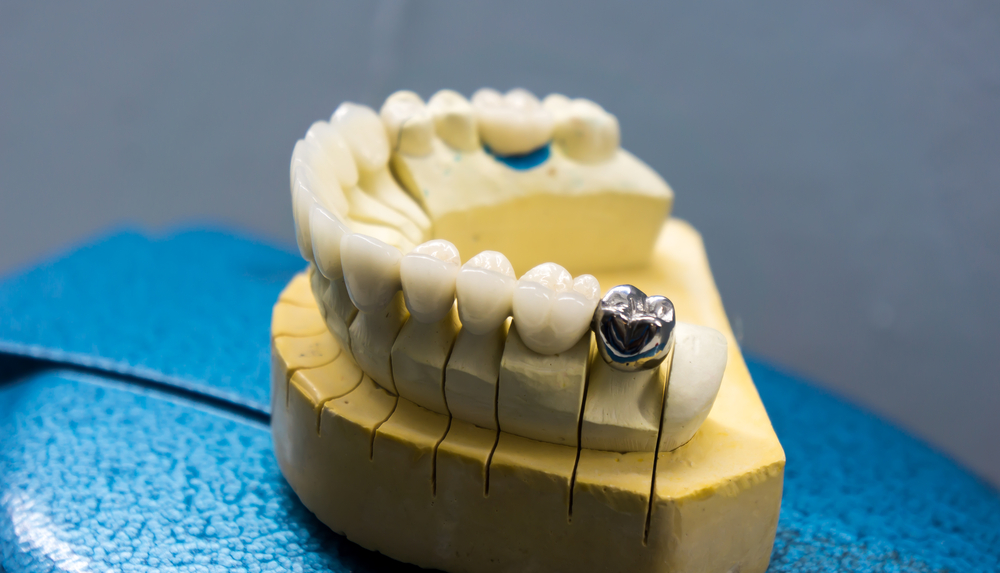
Gold and other metal alloys, such as palladium or nickel-chromium, have a long history in restorative dentistry. Gold is biocompatible, highly durable, and offers excellent wear resistance without damaging opposing teeth. These metals are commonly used in crowns, inlays, onlays, and bridges.
The major benefit of metal restorations is their longevity; gold restorations can last decades with minimal wear or failure. They also require less tooth reduction compared to ceramic crowns in some cases. However, their metallic color makes them aesthetically unsuitable for front teeth or visible areas. Additionally, some patients have allergies or sensitivities to certain metal alloys, which must be taken into account during treatment planning.
Glass Ionomer Cement: Beneficial for Specific Clinical Situations
Glass ionomer cement (GIC) is a tooth-colored material made from a combination of acrylic acids and fine glass powders. It releases fluoride, which can help protect teeth from further decay, making it useful in pediatric dentistry and for patients with high caries risk.
GIC bonds chemically to tooth structure and is gentle on the pulp, making it a preferred choice for certain restorations like liners or bases under composite fillings. However, it generally has lower strength and wear resistance compared to composites or ceramics and is thus less suitable for high-stress areas. Glass ionomer is often used as a temporary restoration or in areas not subject to heavy chewing forces.
Summary of Common Dental Restoration Materials
- Amalgam: Highly durable and cost-effective but lacks aesthetics.
- Composite Resin: Aesthetic and conservative but may wear faster.
- Ceramics: Excellent aesthetics and strength, higher cost, and potential brittleness.
- Gold/Metal Alloys: Extremely durable and biocompatible but not tooth-colored.
- Glass Ionomer: Fluoride-releasing and gentle on teeth, limited strength.
Conclusion
Choosing the appropriate material for dental restorations involves balancing durability, aesthetics, cost, and patient-specific factors such as bite force and allergy history. Each material has distinct advantages and disadvantages that influence its suitability for different clinical scenarios. Understanding these pros and cons is crucial for making informed decisions in restorative dentistry. For patients and professionals in Phoenix, Arizona, and Warren, Michigan, awareness of dental materials helps in achieving optimal restoration outcomes that meet both functional and aesthetic needs.
Resources
Craig, R. G. (2006). Restorative Dental Materials. Quintessence Publishing.
Kelly, J. R., & Benetti, P. (2011). Ceramic materials in dentistry: historical evolution and current practice. Australian Dental Journal.
Mitra, S. B., Wu, D., & Holmes, B. N. (2001). An application of nanotechnology in restorative dentistry. Journal of the American Dental Association.