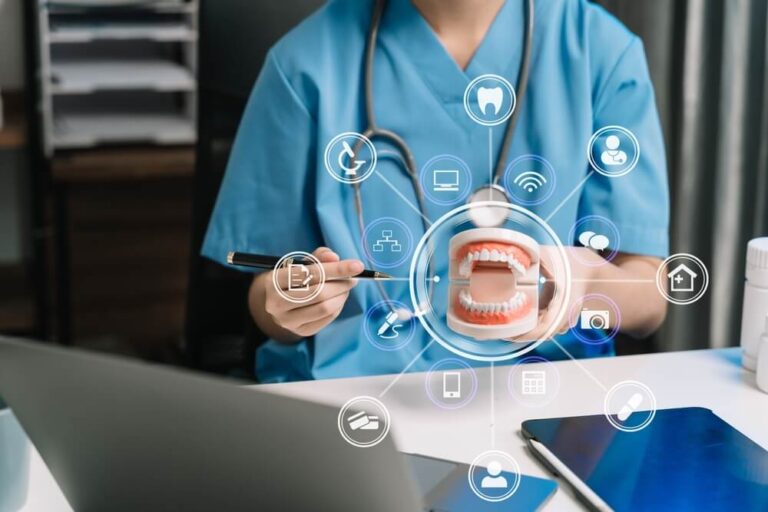
Aesthetic dentistry focuses on creating healthy, natural-looking smiles while preserving oral function. Achieving these goals requires careful planning, accurate communication, and close attention to even the smallest details. One of the most valuable tools supporting this process is digital photography. High-quality clinical photographs allow dental professionals to document a patient’s oral condition, evaluate treatment progress, and communicate more effectively throughout every stage of care.
Catalis Dental Lab Partners embraces modern digital workflows that help support accurate restorative outcomes for dental professionals. Patients in Phoenix, Arizona, Warren, Michigan, and surrounding communities may not always realize how frequently digital photography contributes to successful aesthetic dental treatment. From smile design to the fabrication of custom restorations, detailed images provide valuable information that helps improve precision and predictability.
The Role of Digital Photography in Smile Planning
Creating a Comprehensive Visual Record
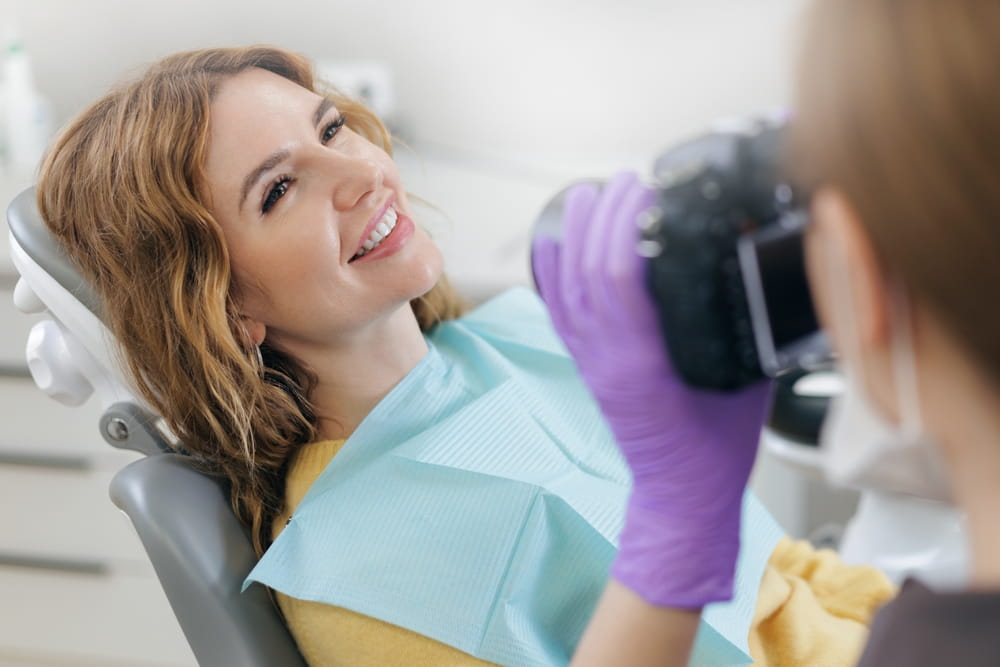
Digital photography allows dentists to capture detailed images of the teeth, gums, facial profile, and smile from multiple angles before treatment begins. These photographs serve as a baseline record that helps identify cosmetic concerns, evaluate tooth proportions, analyze symmetry, and assess how the smile relates to facial features.
Unlike relying solely on memory or written notes, photographs preserve accurate visual information that can be reviewed throughout treatment. This documentation becomes especially valuable when planning veneers, crowns, implant restorations, orthodontic treatment, or complete smile makeovers.
Supporting Personalized Treatment Planning
Every patient’s smile is unique. Digital photographs allow dental professionals to study details such as tooth shape, color variations, gum contours, lip position, and facial expressions before recommending treatment. This information supports individualized treatment planning that considers both functional needs and aesthetic goals.
By reviewing images together, patients and providers can discuss expectations more clearly and develop a shared understanding of the desired outcome before restorative work begins.
Improving Communication Between the Dental Team
Aesthetic dentistry often involves collaboration among general dentists, specialists, and dental laboratories. High-quality digital photographs improve communication by providing detailed visual references that supplement impressions, digital scans, and written prescriptions.
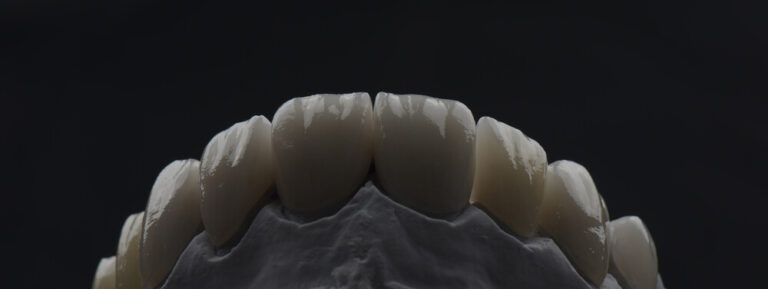
Photographs may assist laboratory technicians in evaluating important characteristics such as tooth shade, translucency, surface texture, incisal edge contours, and surrounding soft tissue appearance. These visual details help guide the fabrication of restorations that blend naturally with adjacent teeth and complement the patient’s smile.
This collaborative approach reduces uncertainty and supports more predictable restorative outcomes by ensuring everyone involved has access to the same visual information throughout the treatment process.
Benefits for Patients Throughout Treatment
Digital photography offers several practical advantages that help improve both the treatment experience and long-term results.
Some of the key benefits include:
- Accurate documentation of oral conditions before treatment.
- Improved smile design through detailed facial and dental analysis.
- Better communication between patients, dentists, specialists, and dental laboratories.
- More precise shade selection for restorations.
- Visual tracking of treatment progress over time.
- Easier patient education using before-and-after comparisons.
- Enhanced planning for cosmetic and restorative procedures.
Patients often appreciate seeing their own photographs because they provide a clearer understanding of existing concerns and demonstrate how treatment is progressing toward the desired result.
Supporting Accurate Restorative Outcomes
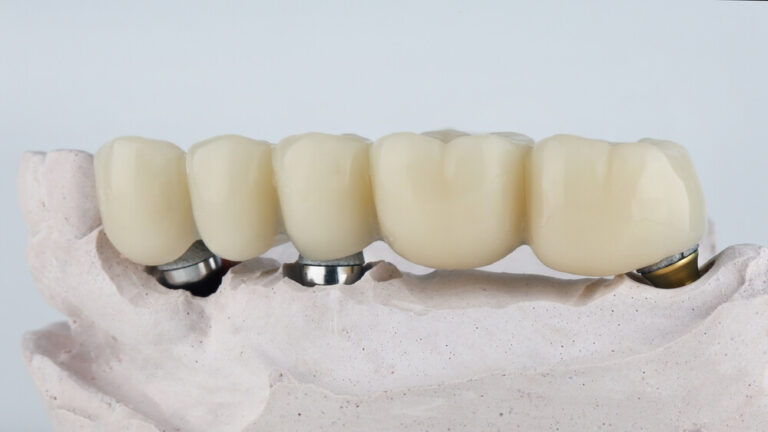
The success of aesthetic restorations depends on more than selecting the correct material. Achieving a natural appearance requires careful attention to numerous characteristics that may be difficult to describe with written instructions alone. Digital photography captures subtle details that contribute to lifelike restorations, including tooth anatomy, color gradients, enamel translucency, and surrounding gum architecture.
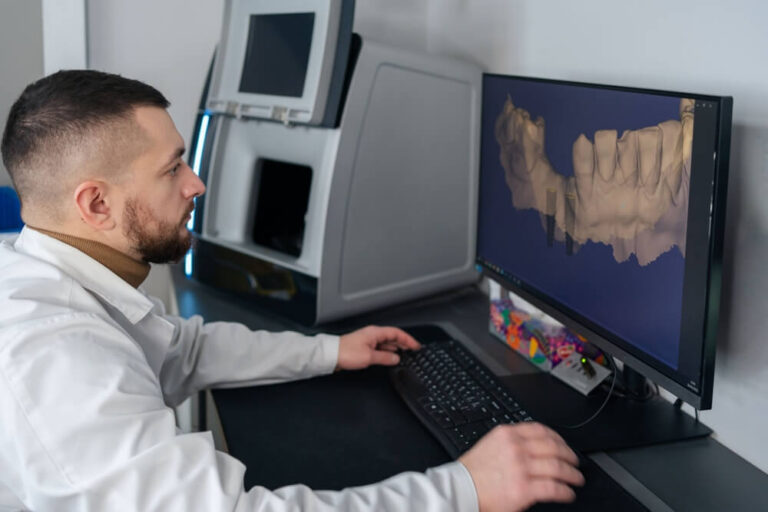
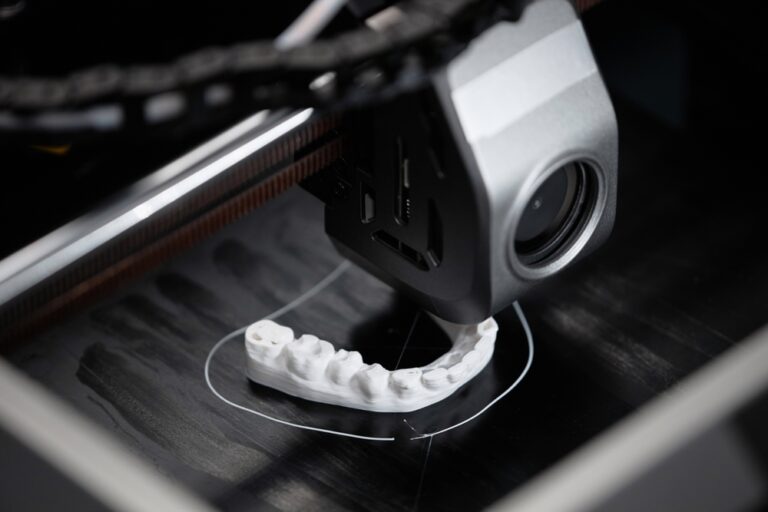
When combined with digital impressions and advanced CAD/CAM technologies, clinical photography becomes an important component of today’s digital dental workflow. These technologies work together to improve the precision of restorations while reducing the likelihood of adjustments after placement.
Photographs are also valuable for evaluating completed restorations. Comparing final results with pre-treatment images allows both patients and dental professionals to assess improvements in alignment, color, symmetry, and overall smile aesthetics.
The Future of Digital Dentistry
As digital dentistry continues to evolve, photography is becoming even more integrated with advanced technologies such as digital smile design, three-dimensional imaging, artificial intelligence, and computer-guided treatment planning. These innovations continue to improve diagnostic capabilities while allowing dental professionals to deliver increasingly customized care.
Digital records also simplify long-term monitoring. If future treatment becomes necessary, clinicians can compare current conditions with previous photographs to identify subtle changes in tooth wear, gum health, or restoration performance that may otherwise go unnoticed.
By combining detailed photography with digital scanning and precision laboratory fabrication, modern dentistry continues to enhance both clinical efficiency and patient satisfaction.
Enhancing Confidence Through Better Planning
Digital photography has become an indispensable tool in aesthetic dentistry because it improves communication, enhances treatment planning, supports laboratory precision, and helps create restorations that look both natural and functional. Its ability to document every stage of treatment benefits patients and dental professionals alike by providing a clear visual roadmap from the initial consultation through the final result.
Catalis Dental Lab Partners continues to support advanced digital workflows that contribute to high-quality restorative outcomes for patients in Phoenix, Arizona, Warren, Michigan, and beyond. As digital technologies continue to advance, clinical photography will remain an important part of creating personalized, predictable, and aesthetically pleasing smiles.
Related Services
To learn more about digital dentistry and restorative solutions, explore these related services:
Resources
Coachman, C., & Calamita, M. A. (2012). Digital Smile Design: A Tool for Treatment Planning and Communication in Esthetic Dentistry. Quintessence of Dental Technology.
Magne, P., & Belser, U. C. (2003). Bonded Porcelain Restorations in the Anterior Dentition: A Biomimetic Approach. Quintessence Publishing.
Goldstein, R. E. (2018). Esthetics in Dentistry (3rd ed.). Wiley-Blackwell.