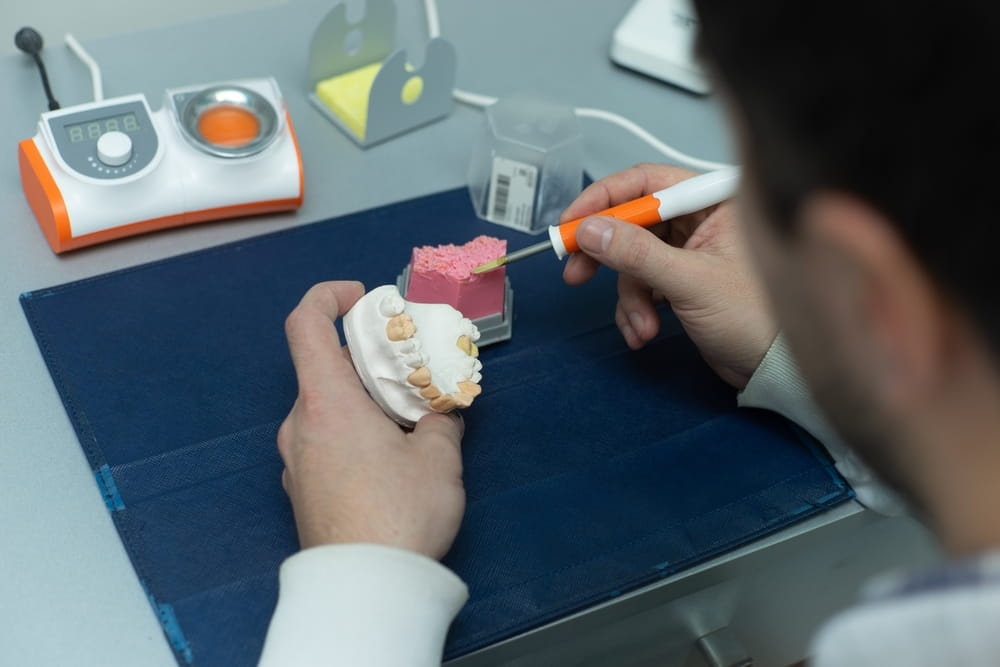
Restorative dentistry often involves more than one appointment, especially when custom crowns, bridges, veneers, or implant restorations are being fabricated. During this time, provisional restorations, often referred to as temporary restorations, play an important role in protecting prepared teeth while allowing patients to continue eating, speaking, and smiling with greater confidence. As dental technology continues to advance, organizations like Catalis Dental Lab Partners contribute to restorative workflows by supporting high-quality laboratory solutions that help dentists deliver precise, long-lasting restorations for patients in Phoenix, Arizona, Warren, Michigan, and surrounding communities.
Although provisional restorations are not designed to serve as permanent solutions, they are much more than placeholders. They preserve the health of the prepared tooth, protect surrounding tissues, maintain proper spacing between teeth, and allow both the dentist and patient to evaluate function and appearance before the final restoration is placed. Understanding the materials used for these temporary restorations helps patients appreciate why they are such an important step in comprehensive restorative treatment.
The Purpose of Provisional Restoration Materials
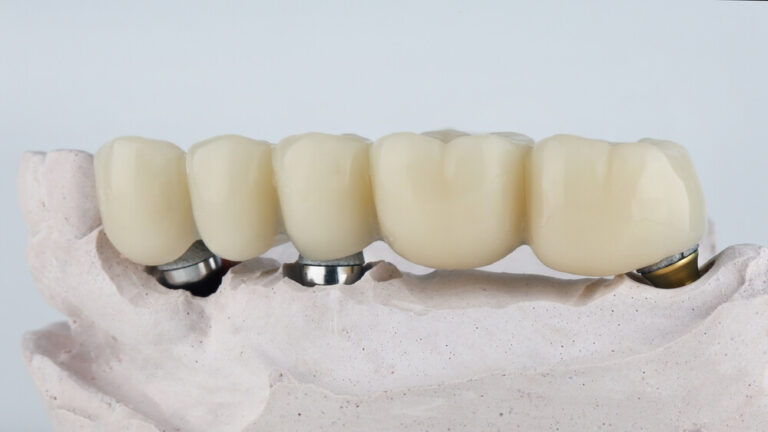
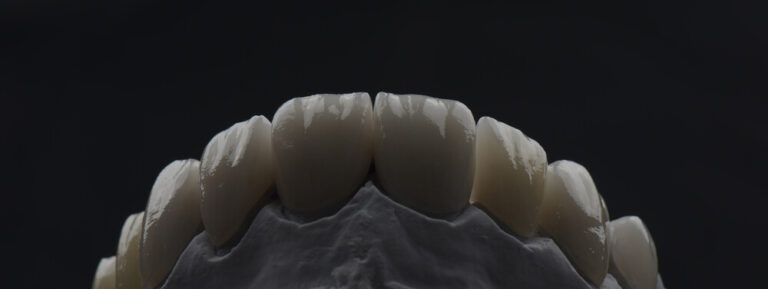
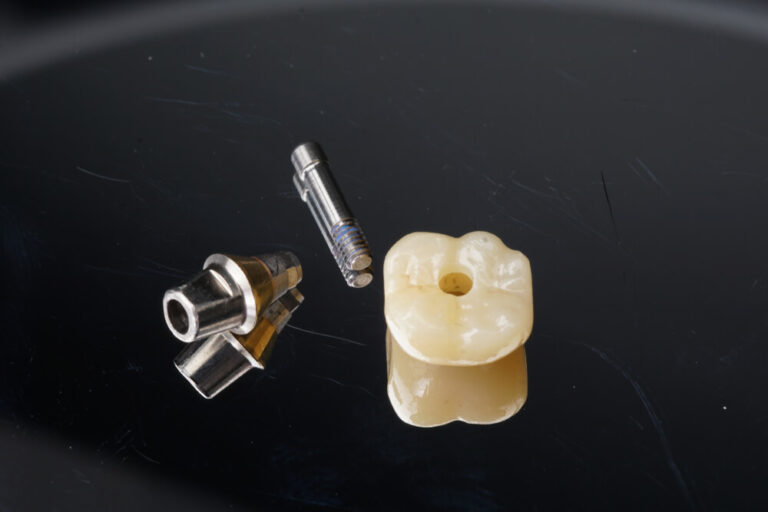
Provisional restoration materials are specifically designed to create temporary crowns, bridges, veneers, or other restorations that remain in place while the permanent restoration is being fabricated. These materials must balance durability, comfort, appearance, and ease of adjustment because they often remain in the mouth for several weeks.
An effective provisional restoration serves several purposes. It protects exposed tooth structure from temperature sensitivity and bacteria while reducing discomfort after tooth preparation. It also supports healthy gum tissue by maintaining proper contours around the tooth. In many cosmetic cases, provisional restorations allow patients and dentists to evaluate the appearance, size, and shape of the restoration before the final version is completed, making adjustments when necessary to achieve the desired outcome.
Common Materials Used for Temporary Restorations
Several materials are commonly used to fabricate provisional restorations, each offering unique advantages depending on the clinical situation. Dentists select materials based on the anticipated length of treatment, the location of the restoration, and the functional demands placed on the tooth.
Some of the most commonly used provisional materials include:
- Acrylic resin (PMMA), known for its strength, affordability, and ease of polishing.
- Bis-acryl composite resin, which offers improved esthetics, accurate fit, and excellent color stability.
- Composite resin materials designed for enhanced wear resistance and natural appearance.
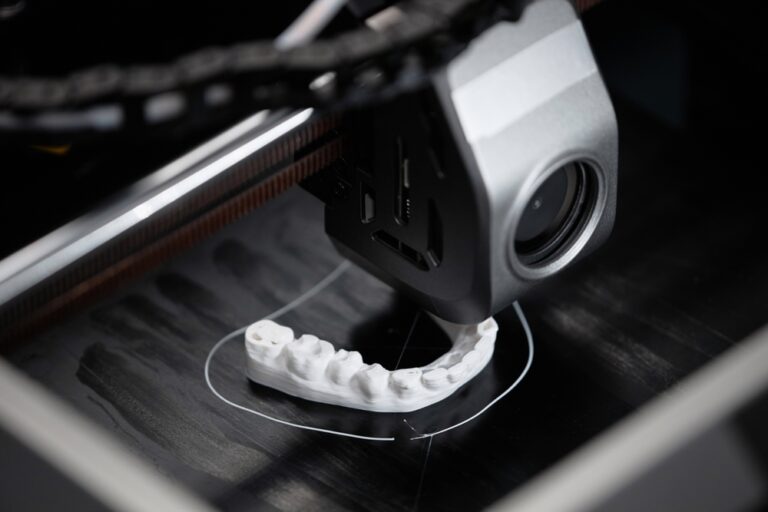
- CAD/CAM milled provisional materials that provide greater consistency, precision, and durability through digital manufacturing.
Each option has advantages depending on whether the restoration will remain in place for a few days, several weeks, or even longer during complex restorative treatment.
How Dentists Choose the Right Material
Selecting the appropriate provisional material involves evaluating several clinical factors rather than simply choosing the strongest material available. Every patient’s treatment plan presents unique considerations that influence the decision-making process.
For example, a temporary crown on a front tooth may prioritize natural appearance because it is highly visible when smiling or speaking. In contrast, a provisional restoration on a molar may require greater strength to withstand chewing forces. Patients undergoing full-mouth rehabilitation or complex implant treatment may need highly durable materials capable of functioning successfully over an extended treatment timeline.
Dentists also consider factors such as bite alignment, oral habits like teeth grinding, expected treatment duration, and the complexity of the final restoration. Modern dental materials provide greater flexibility, allowing clinicians to customize provisional restorations that support both function and esthetics throughout treatment.
How Temporary Restorations Support Successful Final Results
Provisional restorations provide valuable information before the permanent restoration is delivered. During the temporary phase, patients can evaluate comfort, speech, bite function, and appearance under everyday conditions. Any concerns identified while wearing the provisional restoration can often be addressed before the final restoration is fabricated or adjusted.
This trial period is particularly beneficial for cosmetic dentistry, complex rehabilitations, and implant-supported restorations where even small modifications can significantly improve the final outcome. The provisional restoration serves as a blueprint that helps guide the laboratory and dentist toward achieving predictable, personalized results.
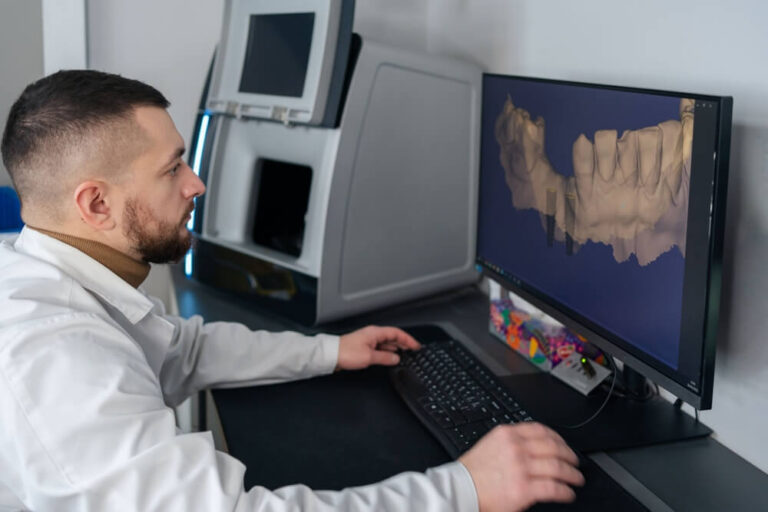
Advances in digital dentistry have further enhanced this process by allowing more accurate communication between dental practices and laboratories. Digital impressions, CAD/CAM technology, and high-quality restorative materials contribute to temporary restorations that fit more precisely while closely resembling the final restoration. Patients interested in learning more about modern restorative workflows may also explore Catalis Dental Lab Partners’ Our Technology and All-Ceramic services to better understand how digital innovation supports restorative dentistry.
Caring for a Provisional Restoration
Although provisional restorations are designed to withstand normal daily activities, they require proper care to remain secure until the final restoration is placed. Patients should follow their dentist’s recommendations to minimize the risk of damage or dislodgement.
Good oral hygiene remains essential during this phase of treatment. Gentle brushing, careful flossing techniques, and avoiding particularly sticky or excessively hard foods can help preserve the temporary restoration. If a provisional restoration becomes loose, cracked, or falls off, patients should contact their dental provider promptly rather than attempting to repair it themselves.
Proper maintenance of the provisional restoration also helps preserve the prepared tooth, maintain gum health, and ensure that the final restoration fits as intended once treatment is complete.
Understanding the Value of Temporary Restorations
Provisional restoration materials play a critical role in successful restorative dentistry by protecting teeth, preserving oral health, and allowing careful evaluation before permanent restorations are delivered. Although they are temporary by design, these restorations contribute significantly to the long-term success, comfort, and appearance of the final treatment. As restorative dentistry continues evolving through digital technology and advanced materials, patients benefit from increasingly precise, comfortable, and natural-looking provisional solutions throughout every stage of care.
For patients researching restorative dentistry, understanding the importance of provisional restorations provides valuable insight into the treatment process. Catalis Dental Lab Partners supports restorative excellence through advanced laboratory technologies and high-quality restorative solutions that contribute to successful outcomes for dental professionals and the patients they serve in Phoenix, Arizona, Warren, Michigan, and beyond. Those interested in restorative options may also find additional information by exploring services such as Layered Crown & Bridge and Implants.
Resources
Anusavice, K. J., Shen, C., & Rawls, H. R. (2013). Phillips’ Science of Dental Materials. Elsevier.
Rosenstiel, S. F., Land, M. F., & Fujimoto, J. (2022). Contemporary Fixed Prosthodontics. Elsevier.
Shillingburg, H. T., Sather, D. A., Wilson, E. L., Cain, J. R., Mitchell, D. L., Blanco, L. J., & Kessler, J. C. (2020). Fundamentals of Fixed Prosthodontics. Quintessence Publishing.