When a dental restoration is placed, its appearance is only one part of the equation. Just as important is how the restoration fits within the patient’s bite, also known as occlusion. Catalis Dental Lab Partners recognizes that properly designed restorations contribute to comfort, function, and the long-term success of dental treatment. Whether patients receive a crown, bridge, implant restoration, veneer, or denture, achieving proper occlusion helps ensure that the restoration works harmoniously with the surrounding teeth and jaw.
Patients in Phoenix, Arizona, Warren, Michigan, and beyond may not always realize how much their bite affects everyday activities like chewing, speaking, and even protecting the teeth from unnecessary wear. Understanding why occlusion matters can help patients appreciate the importance of careful planning, precise fabrication, and regular follow-up care throughout the restorative process.
Understanding Occlusion and Its Role in Restorative Dentistry
Occlusion refers to the way the upper and lower teeth come together when biting, chewing, or resting. In a healthy bite, the teeth contact each other evenly, distributing chewing forces across multiple teeth rather than concentrating excessive pressure in one area. Proper occlusion also allows the jaw joints and surrounding muscles to function comfortably and efficiently.
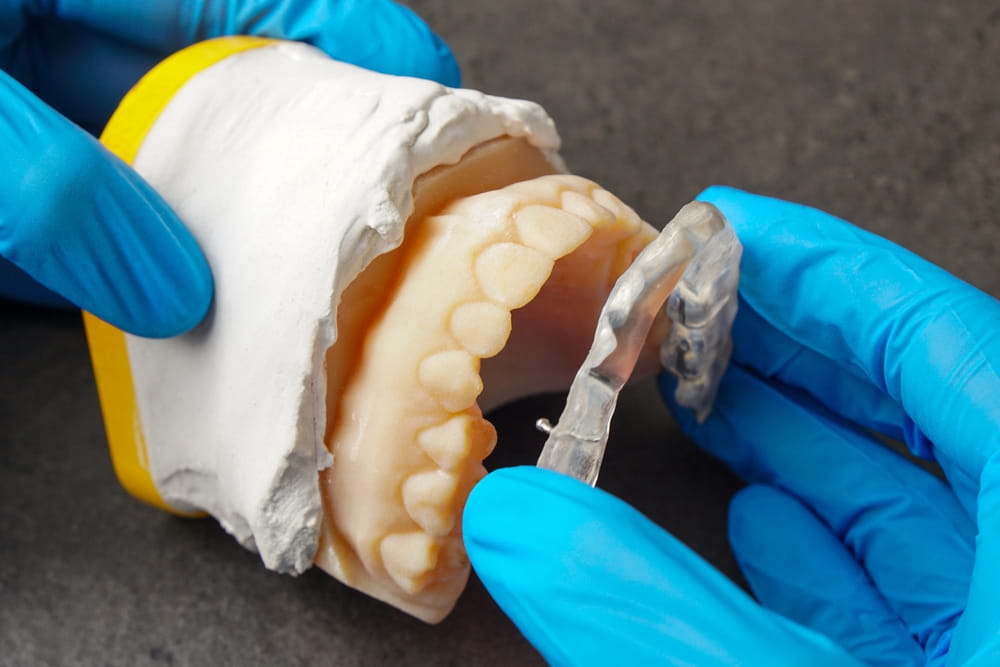
Every restoration must be designed to match a patient’s unique bite. Even small differences in height, contour, or alignment can affect how forces are distributed during everyday activities. Because every patient has unique anatomy and movement patterns, restorations are customized to support both aesthetics and function while minimizing stress on the natural teeth and supporting structures.
Why Proper Occlusion Protects Oral Health
When restorations fit properly within the bite, patients often experience greater comfort and improved function. Proper occlusion helps preserve the integrity of both natural teeth and dental restorations while reducing unnecessary strain throughout the mouth.
An accurately balanced bite may help:
- Improve chewing efficiency
- Reduce uneven tooth wear
- Lower stress on dental restorations
- Support healthy jaw joint function
- Minimize muscle fatigue during chewing
- Help protect surrounding teeth from excessive force
- Improve overall comfort when speaking and eating
These benefits become increasingly important for patients receiving multiple restorations or complex treatment involving implants, bridges, or full-mouth rehabilitation.
The Consequences of an Improper Bite
Even a well-made restoration can create problems if it does not fit correctly within the patient’s bite. High spots or uneven contact points may seem minor initially but can gradually create significant discomfort and complications.
Patients with an unbalanced bite may notice sensitivity when biting down, discomfort while chewing, headaches, jaw soreness, or excessive wear on neighboring teeth. Some patients develop small fractures or chips in restorations because concentrated biting forces repeatedly stress the same area.
Over time, poor occlusion can also contribute to temporomandibular joint (TMJ) discomfort and increased muscle tension. While not every jaw problem originates from the bite, maintaining balanced occlusion helps reduce unnecessary strain on the entire chewing system and supports more predictable long-term outcomes.
Modern Technology Helps Improve Occlusal Accuracy
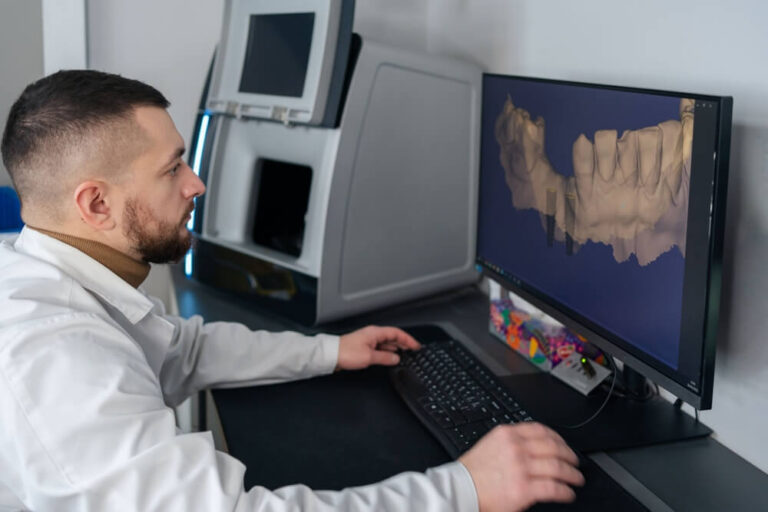
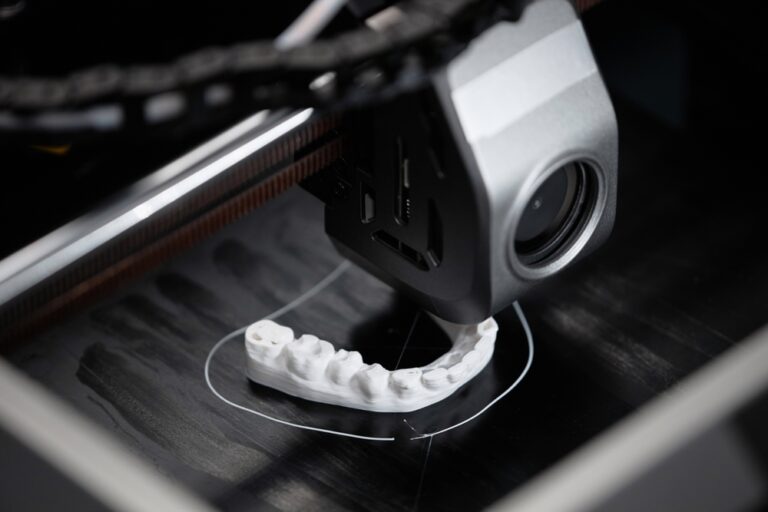
Today’s restorative dentistry benefits from significant technological advances that improve precision throughout treatment planning and restoration fabrication. Digital impressions, intraoral scanning, CAD/CAM technology, and advanced laboratory workflows allow clinicians and dental laboratories to create restorations with greater consistency and accuracy than ever before.
Digital workflows can reduce many of the variables associated with traditional impressions while allowing restorations to be evaluated more precisely before they are fabricated. These technologies support improved communication between dental providers and laboratories, helping restorations integrate more naturally into each patient’s bite.
For patients interested in learning more about digital dental laboratory advancements, resources about Our Technology provide additional information about modern restorative manufacturing processes.
Occlusion Matters Across Many Types of Restorations
Proper occlusion is important regardless of the type of restoration being placed. While each restoration serves a different purpose, they all rely on balanced bite relationships for long-term success.
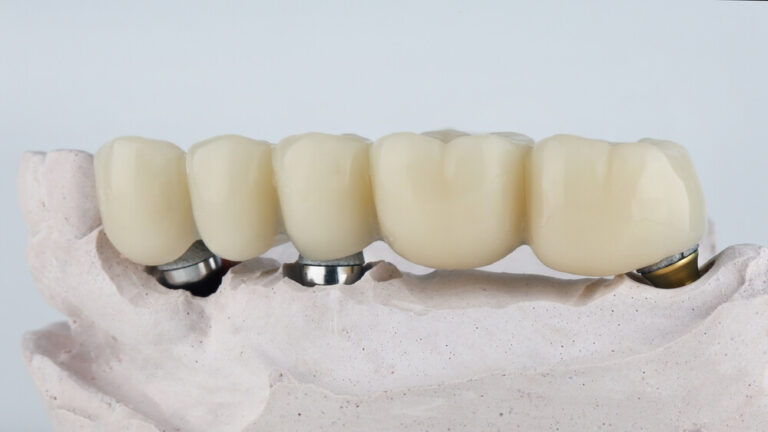
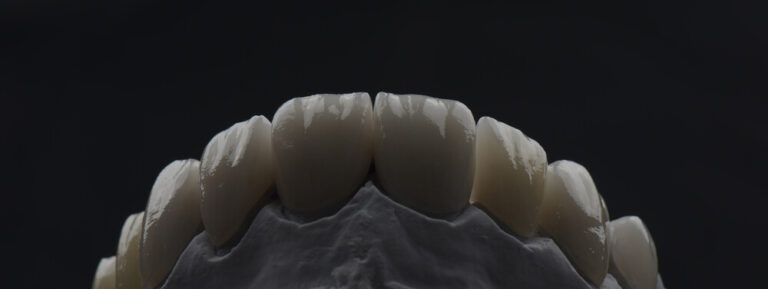
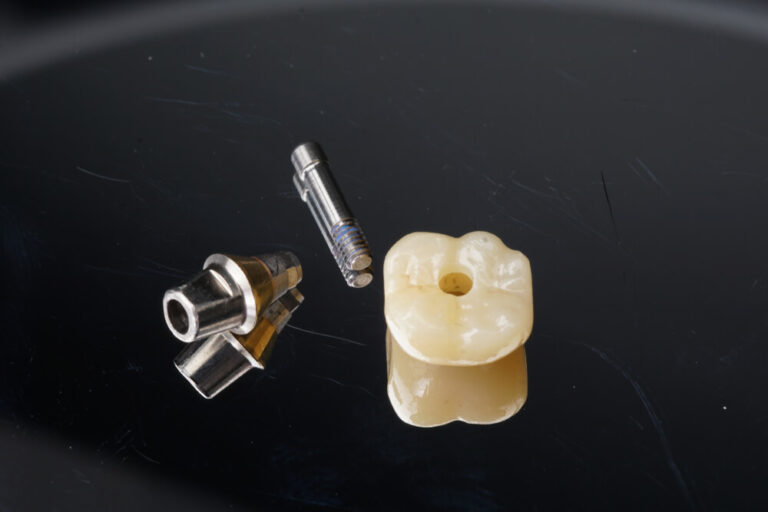
Crowns and bridges must restore both appearance and chewing function without interfering with neighboring teeth. Implant-supported restorations require careful force distribution because implants respond differently to pressure than natural teeth. Veneers must preserve proper front tooth guidance while maintaining natural speech and function. Complete and partial dentures also depend on carefully balanced occlusion to improve stability during eating and speaking.
Patients exploring different restorative options may also benefit from learning about treatments such as All-Ceramic Restorations, Implants, Complex Implant Restorations, and Digital Dentures to better understand how proper fit contributes to successful outcomes.
Long-Term Success Depends on Ongoing Care
A properly balanced restoration is not simply the result of one appointment. Maintaining healthy occlusion requires regular dental examinations so providers can monitor changes that naturally occur over time. Teeth can shift slightly, restorations may experience normal wear, and grinding habits can alter bite relationships.
Routine dental visits allow providers to identify small bite adjustments before they become larger problems. Patients should also report symptoms such as persistent soreness when chewing, unusual sensitivity, jaw discomfort, or changes in how their teeth fit together. Addressing these concerns early often helps preserve restorations and maintain long-term oral health.
Catalis Dental Lab Partners recognizes the importance of precision in restorative dentistry because every restoration functions as part of an entire oral system rather than as an isolated tooth. For patients throughout Phoenix, Arizona, Warren, Michigan, and surrounding communities, understanding the role of proper occlusion highlights why careful planning, advanced technology, and ongoing maintenance all contribute to comfortable, functional, and lasting restorative outcomes.
Resources
Okeson, J. P. (2020). Management of Temporomandibular Disorders and Occlusion (8th ed.). Elsevier.
Rosenstiel, S. F., Land, M. F., & Fujimoto, J. (2022). Contemporary Fixed Prosthodontics (6th ed.). Elsevier.
The Glossary of Prosthodontic Terms Committee. (2017). The Glossary of Prosthodontic Terms: Ninth Edition. Journal of Prosthetic Dentistry, 117(5S), e1-e105.