In aesthetic dentistry, achieving a natural-looking smile goes far beyond simply restoring function. At Catalis Dental Lab Partners, attention to detail is essential when creating restorations for patients in Phoenix, Arizona and Warren, Michigan. One of the most important elements in this process is shade matching, which ensures that dental restorations blend seamlessly with surrounding natural teeth.
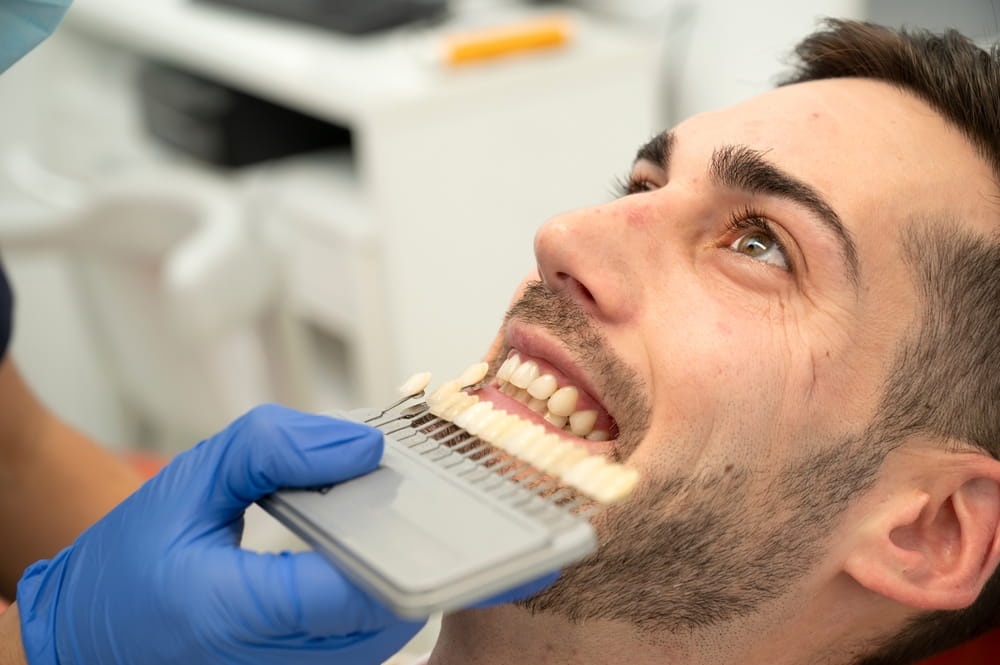
Shade matching involves carefully selecting the color, translucency, and surface characteristics of a restoration to mimic natural teeth. Every individual has unique variations in tooth color, influenced by factors such as age, lighting, and enamel thickness. Without proper shade matching, even the most structurally sound restoration can appear artificial. This is why dental professionals prioritize this step when planning aesthetic treatments, especially for visible areas of the smile.
The Science Behind Tooth Color and Appearance
Natural teeth are not a single uniform color. Instead, they consist of layers that reflect and absorb light differently, creating depth and variation. Enamel, dentin, and underlying structures all contribute to the overall appearance of a tooth. Effective shade matching requires an understanding of these layers and how they interact with light under different conditions.
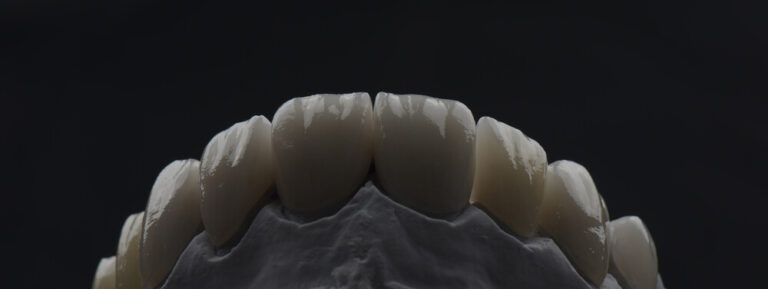
Advanced materials and techniques, such as those used in All-Ceramic restorations, are designed to replicate this complexity. These materials can mimic the translucency and light-reflecting properties of natural enamel, making restorations appear more lifelike. Similarly, detailed craftsmanship in Layered Crown & Bridge work allows for subtle variations in shading that enhance realism. This scientific approach ensures that restorations are not only functional but also visually indistinguishable from natural teeth.
Enhancing Patient Confidence and Satisfaction
Aesthetic dental treatments often have a significant impact on a patient’s confidence and self-esteem. When restorations match the natural shade of surrounding teeth, patients are more likely to feel comfortable smiling, speaking, and interacting socially. Conversely, mismatched restorations can draw unwanted attention and lead to dissatisfaction, even if the restoration functions well.
Shade matching plays a particularly important role in treatments such as Veneers, where the goal is to enhance the overall appearance of the smile. A well-matched veneer can blend seamlessly, creating a uniform and harmonious look. By focusing on precise shade selection, dental professionals can deliver results that meet patient expectations and improve overall satisfaction.
Factors That Influence Shade Matching Accuracy
Several factors can affect the accuracy of shade matching, making it a highly skilled process. Lighting conditions, for example, can significantly influence how color is perceived. Natural daylight is often preferred, as artificial lighting can distort shades and lead to mismatches. Additionally, the surrounding environment, such as clothing or lipstick, can impact color perception during the selection process.
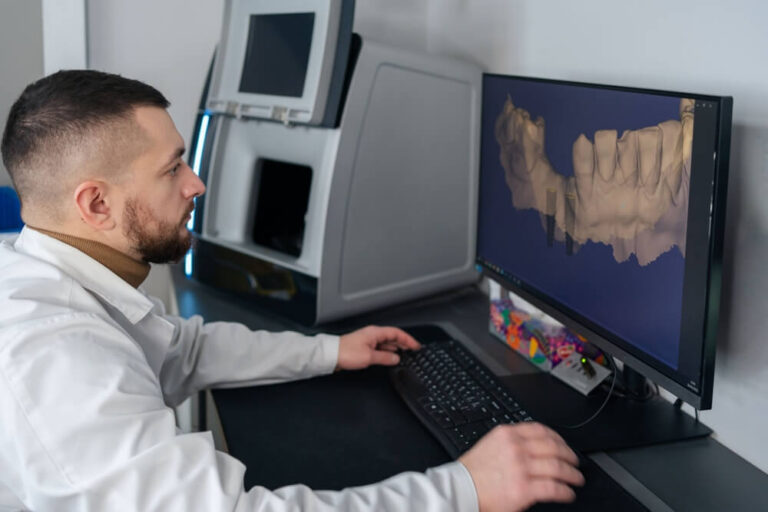
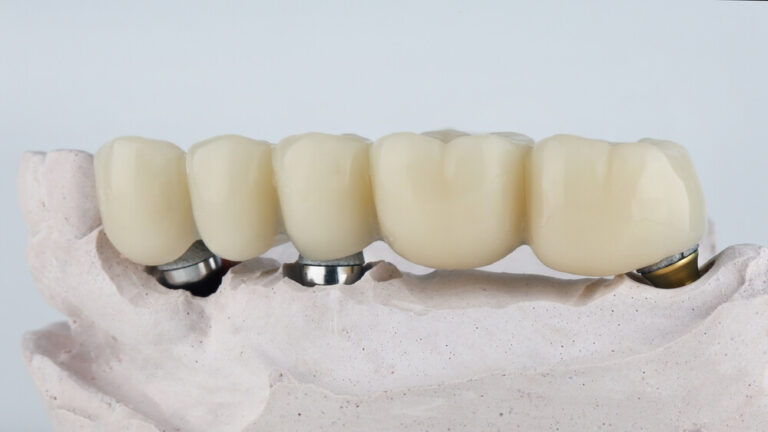
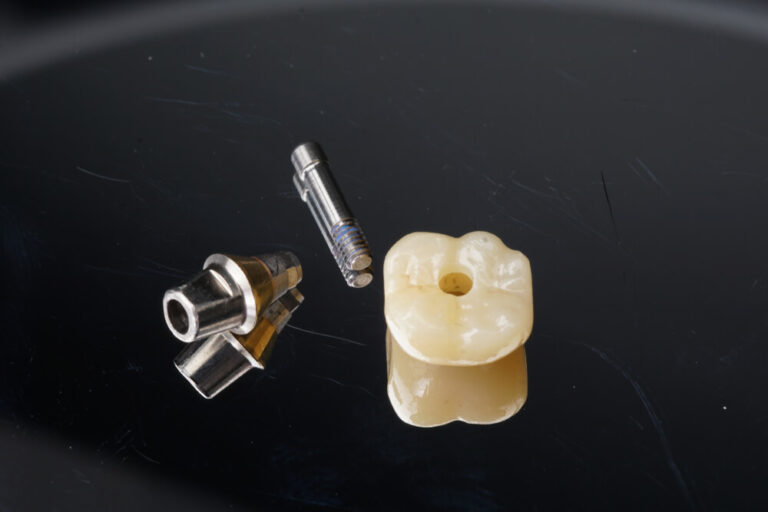
Modern dental labs utilize advanced technologies, like those highlighted in Our Technology, to improve accuracy and consistency. Digital shade-matching tools and imaging systems allow for more precise measurements and better communication between dental professionals and labs. This is especially important in complex cases involving Implants and Complex Implant Restorations, where achieving a natural appearance can be more challenging due to the absence of natural tooth structure.
Key Benefits of Accurate Shade Matching
Precise shade matching offers several important advantages in aesthetic dentistry:
- Natural-looking restorations that blend seamlessly with existing teeth
- Improved patient confidence and satisfaction
- Enhanced aesthetic outcomes for visible restorations
- Reduced need for remakes or adjustments
- Better long-term appearance as materials maintain their color stability
These benefits highlight the importance of investing time and expertise into the shade-matching process.
The Role of Digital Technology in Shade Matching
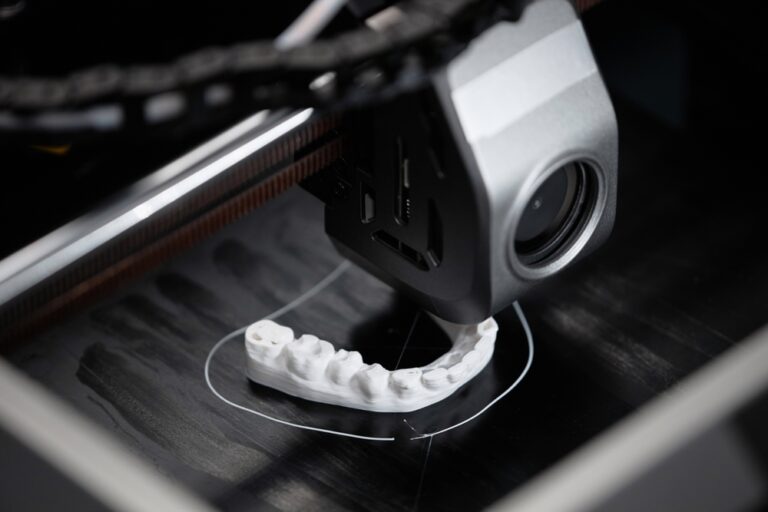
Digital advancements have significantly improved the shade-matching process in modern dentistry. High-resolution imaging, digital scanners, and specialized software allow dental professionals to capture detailed information about tooth color and structure. This data can then be used to create restorations with exceptional accuracy.
Digital workflows also enable better collaboration between clinicians and dental labs. For restorations such as Digital Dentures and Partials, digital tools help ensure consistency in both fit and appearance. By combining digital precision with artistic expertise, dental professionals can achieve results that closely replicate natural teeth.
A Blend of Art and Science in Dentistry
Shade matching is both a science and an art. While technology provides the tools for precise measurement and analysis, the final result often depends on the skill and experience of the dental technician. Subtle adjustments in color, translucency, and surface texture require a trained eye and a deep understanding of aesthetics.
At Catalis Dental Lab Partners, serving patients in Phoenix, Arizona and Warren, Michigan, the emphasis on detail reflects a commitment to excellence in restorative dentistry. By combining advanced materials, digital technology, and expert craftsmanship, dental professionals can create restorations that are both functional and visually appealing.
Final Thoughts on Shade Matching in Restorations
Shade matching is a crucial component of successful aesthetic dental treatments. It ensures that restorations look natural, blend seamlessly with existing teeth, and enhance the overall appearance of the smile. By prioritizing accuracy and attention to detail, dental professionals can deliver results that meet both functional and aesthetic expectations.
For patients, understanding the importance of shade matching can help set realistic expectations and highlight the value of high-quality restorative care. As dental technology continues to evolve, the ability to achieve precise and natural-looking results will only continue to improve.
Resources
Joiner, A. (2004). Tooth Colour: A Review of the Literature. Journal of Dentistry.
Chu, S. J., et al. (2010). Fundamentals of Color: Shade Matching and Communication in Esthetic Dentistry. Quintessence Publishing.
Paravina, R. D., & Powers, J. M. (2015). Esthetic Color Training in Dentistry. Elsevier.