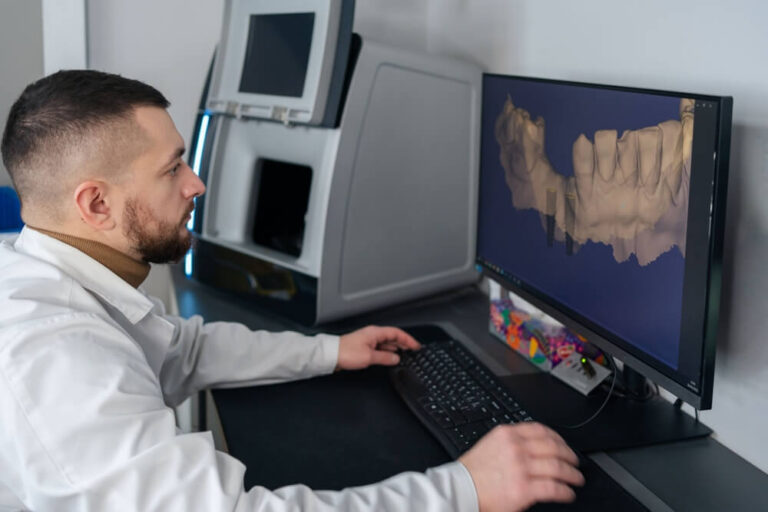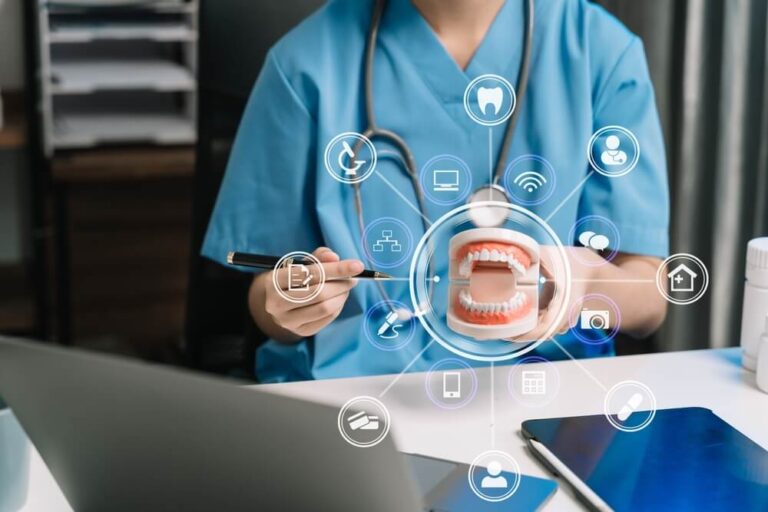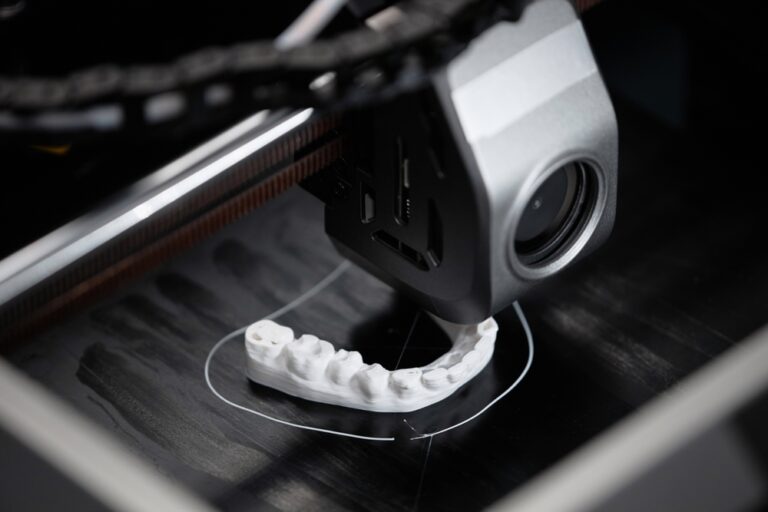
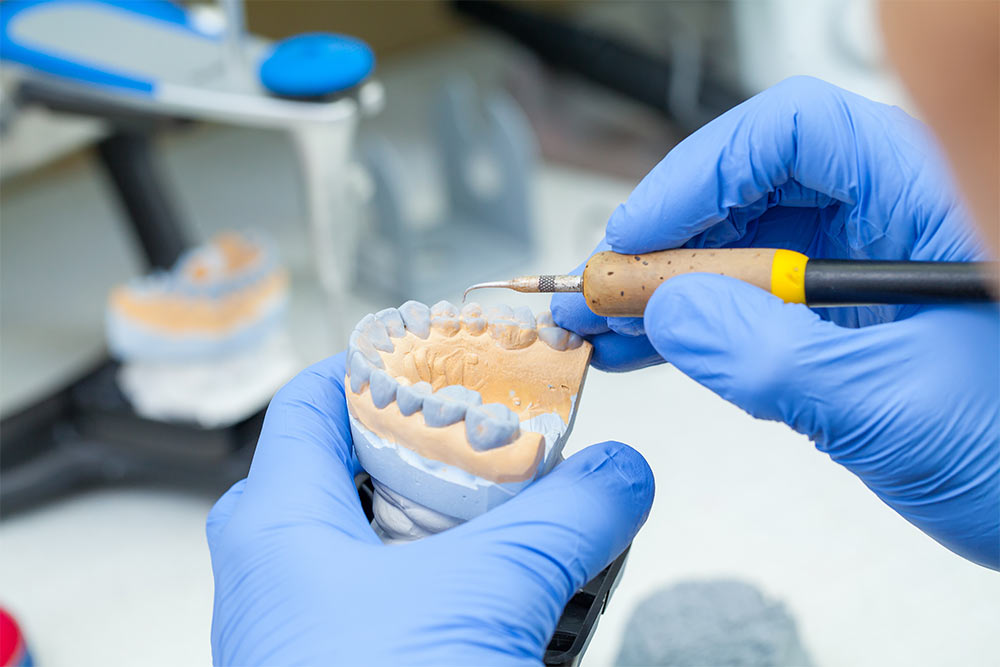
Advancements in dental technology have transformed how restorations are designed, created, and delivered. At Catalis Dental Lab Partners, innovation continues to shape how dental labs operate in Phoenix, Arizona and Warren, Michigan, with digital workflows becoming a cornerstone of modern dentistry. Traditional methods that relied heavily on manual impressions and physical models are now being replaced by digital processes that enhance both accuracy and efficiency.
A digital workflow in a dental lab typically involves intraoral scanning, computer-aided design (CAD), and computer-aided manufacturing (CAM). These technologies work together to create highly precise restorations with minimal variability. By digitizing each step of the process, dental professionals can reduce errors, streamline communication, and produce restorations that better meet patient expectations.
Improved Accuracy and Precision
One of the most significant advantages of a digital workflow is the level of accuracy it provides. Digital impressions eliminate many of the inconsistencies associated with traditional molds, such as distortion or material shrinkage. This leads to restorations that fit more precisely, reducing the need for adjustments and improving overall patient comfort.
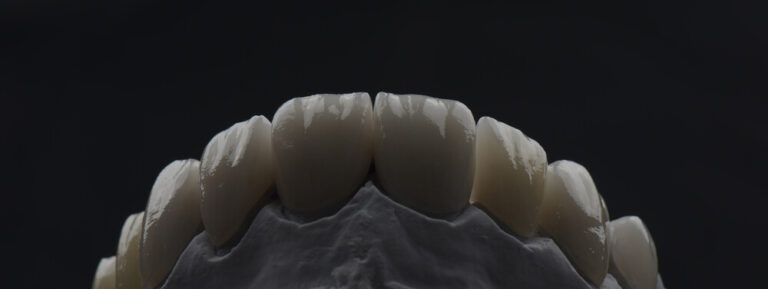
With advanced systems like those highlighted in Our Technology, dental labs can design restorations down to the smallest detail. Whether creating All-Ceramic crowns or intricate Layered Crown & Bridge restorations, digital tools ensure consistency and repeatability. This precision not only enhances the final result but also contributes to long-term durability and success.
Faster Turnaround Times and Efficiency
Digital workflows significantly reduce the time required to complete dental restorations. Traditional methods often involve multiple steps, including shipping physical impressions to a lab, which can delay production. In contrast, digital files can be transmitted instantly, allowing labs to begin the design and fabrication process right away.
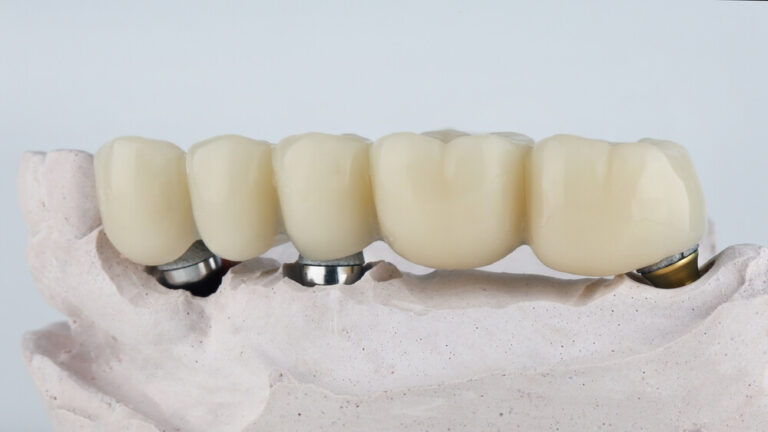
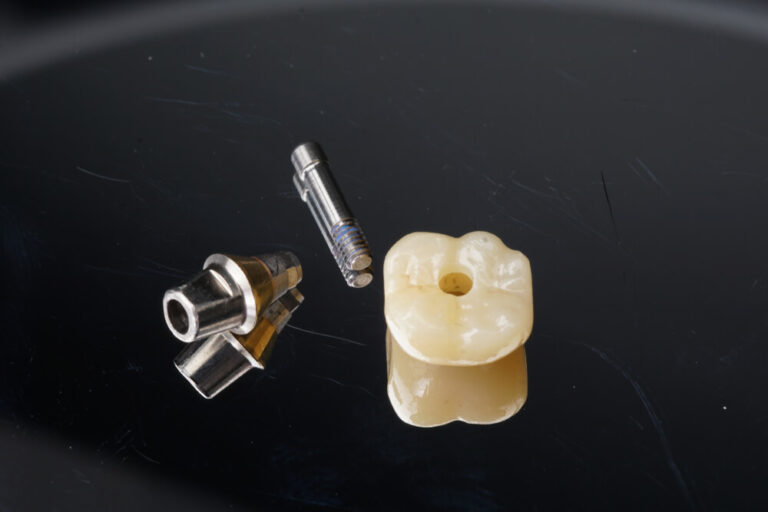
This efficiency benefits both dental professionals and patients. Faster turnaround times mean fewer appointments and quicker completion of treatments. For procedures involving Implants or Complex Implant Restorations, this streamlined approach can make a noticeable difference in the overall treatment experience. By reducing delays, digital workflows help ensure that patients receive timely and effective care.
Enhanced Communication and Collaboration
Digital workflows improve communication between dental labs and clinicians by providing clear, detailed data that can be easily shared and reviewed. Digital files allow for real-time collaboration, enabling adjustments and feedback to be incorporated quickly. This level of communication helps ensure that the final restoration aligns closely with the treatment plan.
For aesthetic procedures such as Veneers, this collaboration is especially important. Dental professionals can review designs, make modifications, and approve final plans before fabrication begins. This reduces the risk of errors and enhances the overall quality of the restoration. The result is a more predictable outcome that meets both clinical and aesthetic goals.
Key Benefits of Digital Workflows
Digital workflows offer a range of advantages that improve both efficiency and outcomes in dental labs:
- Greater precision and consistency in restorations
- Faster production and reduced turnaround times
- Improved communication between lab and clinician
- Reduced need for remakes or adjustments
- Enhanced patient experience and comfort
These benefits highlight why digital workflows are becoming the standard in modern dental laboratories.
Supporting Advanced and Customized Restorations
Digital workflows enable a higher level of customization, allowing dental labs to create restorations tailored to each patient’s unique needs. By using digital design tools, technicians can adjust every aspect of a restoration, from shape and size to color and contour. This level of customization ensures that restorations not only function well but also look natural.
This is particularly beneficial for complex cases, such as Digital Dentures and Partials, where precision and fit are critical. Digital processes allow for more accurate fittings and better overall outcomes. Additionally, digital records can be stored and reused, making it easier to replicate or adjust restorations in the future if needed.
A Future-Focused Approach to Dental Care
The adoption of digital workflows represents a forward-thinking approach to dentistry. As technology continues to evolve, dental labs are able to offer more efficient, accurate, and patient-centered solutions. Digital workflows not only improve current practices but also pave the way for future innovations in restorative dentistry.
At Catalis Dental Lab Partners, serving Phoenix, Arizona and Warren, Michigan, the integration of digital workflows reflects a commitment to staying at the forefront of dental technology. Patients benefit from restorations that are crafted with precision, delivered efficiently, and designed to meet the highest standards of quality.
Final Thoughts on Digital Workflows in Dental Labs
Digital workflows have revolutionized the dental lab industry, offering significant improvements in accuracy, efficiency, and patient satisfaction. By replacing traditional methods with advanced digital processes, dental labs can deliver restorations that are more precise, reliable, and aesthetically pleasing.
For patients, this means a smoother experience, fewer complications, and better long-term results. As digital technology continues to advance, its role in dental labs will only grow, ensuring that high-quality care remains accessible and effective for years to come.
Resources
Mangano, F., et al. (2017). Digital Dentistry: New Materials and Techniques. International Journal of Dentistry.
Logozzo, S., et al. (2014). Recent Advances in Dental Optics – Part I: 3D Intraoral Scanners for Restorative Dentistry. Optics and Lasers in Engineering.
Joda, T., & Brägger, U. (2015). Digital vs. Conventional Implant Prosthetic Workflows: A Cost/Time Analysis. Clinical Oral Implants Research.