Advancements in dental materials have significantly improved the way damaged or missing teeth are restored. Among the most important innovations is the development of high-strength ceramics, which combine durability with a natural appearance. These materials are commonly used for crowns, bridges, veneers, implant restorations, and other prosthetic solutions because they offer excellent performance while closely resembling natural tooth enamel. As restorative dentistry continues to evolve, organizations like Catalis Dental Lab Partners help support dental professionals through advanced laboratory technologies that contribute to precise, high-quality restorations for patients in Phoenix, Arizona, Warren, Michigan, and surrounding communities.
Patients today often want restorations that are not only functional but also aesthetically pleasing. High-strength ceramics have become a preferred option because they provide both strength and lifelike translucency without relying on traditional metal frameworks in many cases. Understanding why these materials are used can help patients feel more informed about the restorative options available during dental treatment.
What Are High-Strength Ceramics?
High-strength ceramics are advanced dental materials engineered to withstand the forces generated during everyday chewing while maintaining an appearance that closely resembles natural teeth. Unlike earlier generations of porcelain that were more prone to chipping or fracture, modern ceramics are manufactured using sophisticated processes that significantly improve their mechanical properties.
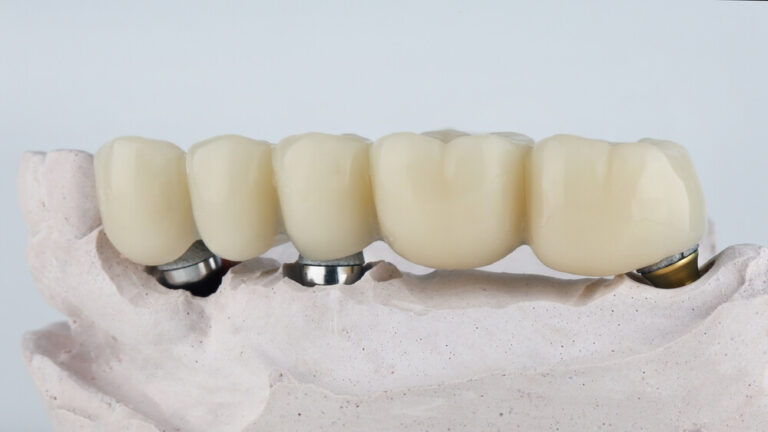
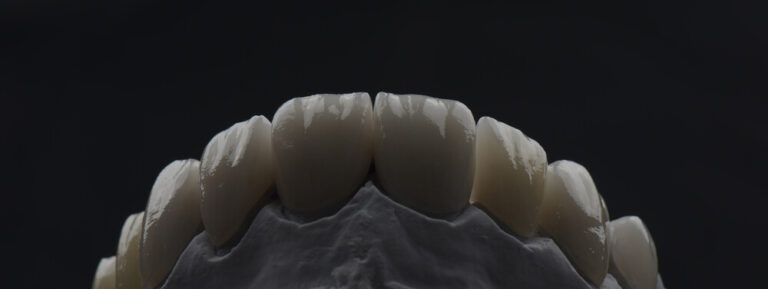
Common high-strength ceramic materials include zirconia and lithium disilicate, each offering unique advantages depending on the clinical situation. Zirconia is widely recognized for its exceptional strength and fracture resistance, making it an excellent choice for posterior crowns, bridges, and implant-supported restorations. Lithium disilicate combines impressive durability with superior translucency, making it especially popular for highly visible anterior restorations where aesthetics are a priority.
The Benefits of High-Strength Ceramic Restorations
One of the greatest advantages of high-strength ceramics is their ability to provide long-lasting performance while preserving a natural-looking smile. These materials are designed to tolerate significant bite forces without compromising appearance.
Patients may benefit from high-strength ceramic restorations in several ways:
- Excellent durability for daily chewing and biting forces
- Natural translucency that closely mimics tooth enamel
- Resistance to staining and discoloration
- Excellent compatibility with surrounding gum tissues
- Metal-free restorations for improved aesthetics
- High precision when fabricated using digital workflows
These characteristics allow dentists to create restorations that are both functional and visually appealing while supporting long-term oral health.
How Material Selection Depends on Each Patient
Although high-strength ceramics offer many advantages, selecting the appropriate material requires careful consideration of each patient’s individual needs. Dentists evaluate multiple factors before determining which ceramic material will provide the best long-term outcome.
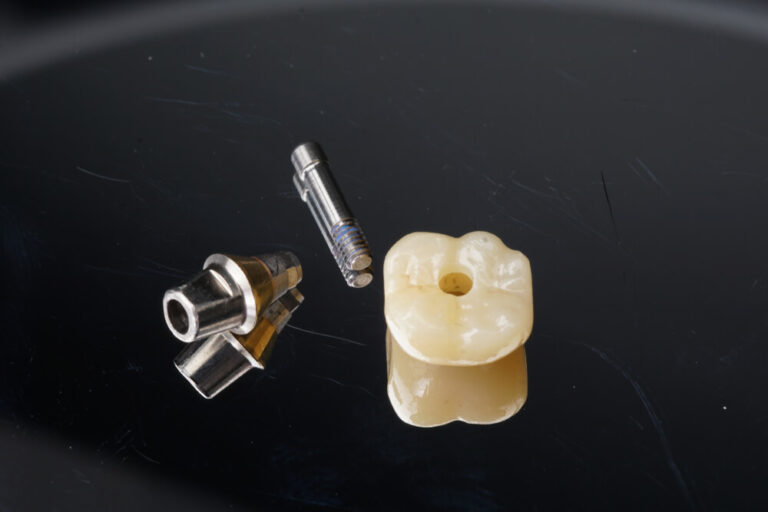
The location of the tooth plays an important role. Back teeth typically require materials capable of withstanding greater chewing pressure, making zirconia a common choice. Front teeth often require greater translucency and detailed esthetics, making lithium disilicate an attractive option. Additional considerations include bite alignment, grinding habits, remaining tooth structure, and whether the restoration will be supported by a natural tooth or a dental implant.
Digital planning has further improved this decision-making process by allowing clinicians and dental laboratories to collaborate more effectively. High-quality scans and advanced design software help ensure restorations fit accurately while optimizing both strength and appearance.
Why Precision Manufacturing Matters
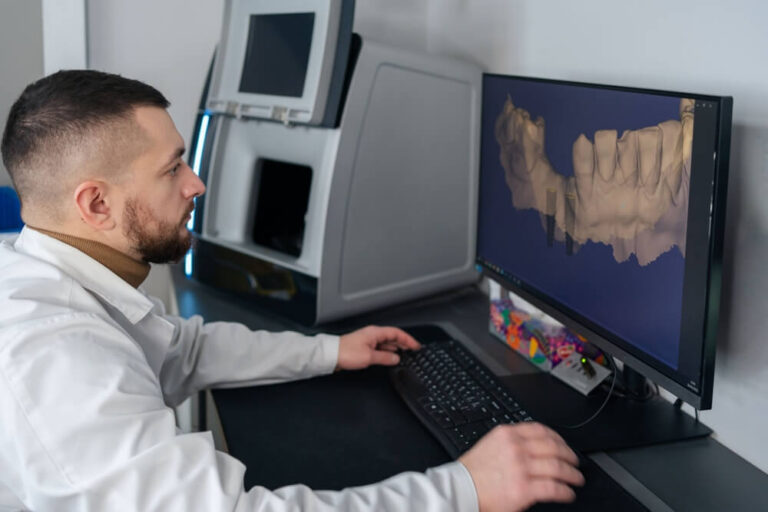
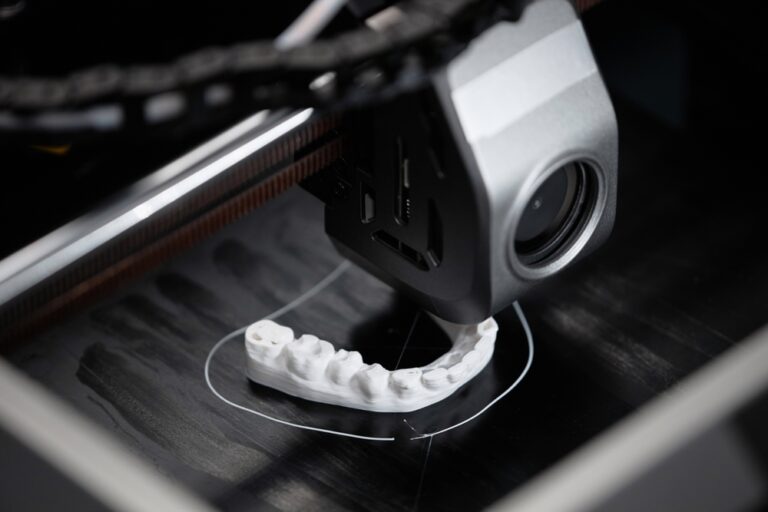
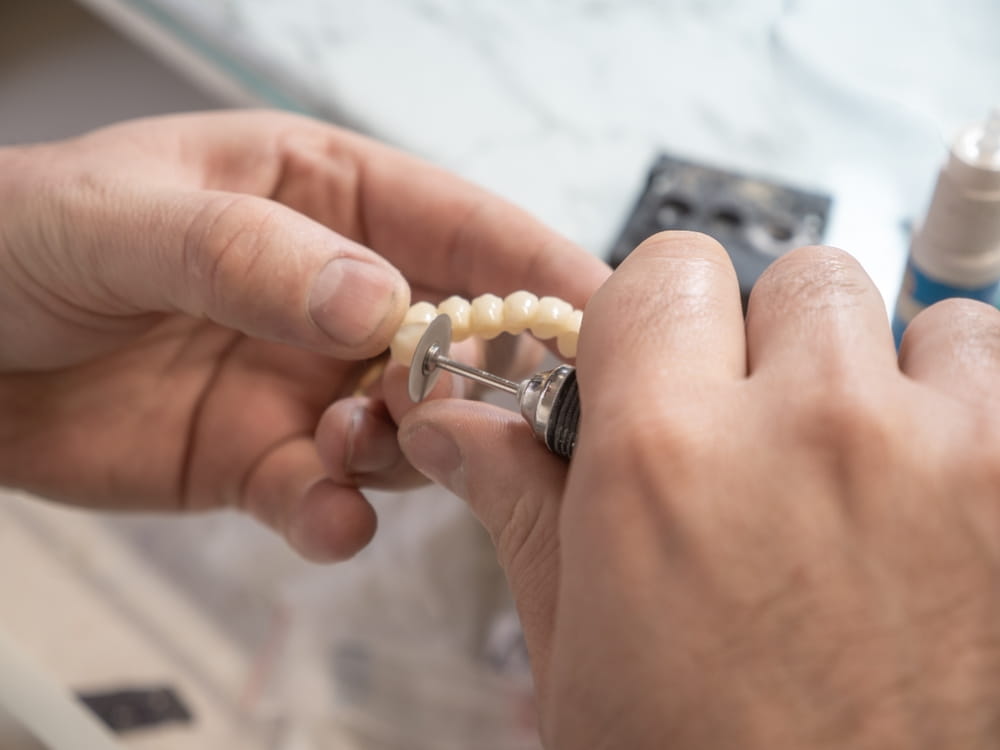
The performance of a ceramic restoration depends not only on the material itself but also on how accurately it is designed and fabricated. Modern dental laboratories use advanced CAD/CAM technology to create restorations with exceptional precision, reducing the risk of poor fit and improving overall longevity.
Digital workflows allow restorations to be milled from highly engineered ceramic blocks under carefully controlled conditions. This manufacturing process creates consistent restorations that require fewer adjustments while supporting proper bite alignment and comfortable function. Patients interested in learning more about modern restorative technology may also explore Catalis Dental Lab Partners’ Our Technology and All-Ceramic services to better understand how advanced laboratory processes contribute to successful restorative outcomes.
Accurate fabrication also benefits surrounding oral structures. Well-fitting restorations help reduce plaque accumulation around margins, support healthy gum tissue, and improve the long-term success of restorative treatment.
Caring for High-Strength Ceramic Restorations
Although high-strength ceramics are designed to be extremely durable, proper care remains essential for maximizing their lifespan. Daily oral hygiene, regular dental examinations, and professional cleanings help maintain both the restoration and surrounding natural teeth.
Patients should continue brushing twice daily with fluoride toothpaste and flossing carefully around crowns, bridges, and implant restorations. Individuals who clench or grind their teeth may also benefit from wearing a custom nightguard to reduce excessive stress on both natural teeth and ceramic restorations. Avoiding habits such as chewing ice, biting hard objects, or using teeth as tools can further protect restorations from unnecessary damage.
With appropriate care and regular professional monitoring, many ceramic restorations can provide excellent function and appearance for many years.
The Future of Restorative Dentistry Continues to Build on High-Strength Ceramics
High-strength ceramics have become an essential component of modern restorative dentistry because they successfully combine durability, precision, and natural esthetics. Their ability to withstand everyday function while preserving an attractive smile has made them one of the most trusted materials for crowns, bridges, veneers, and implant restorations. Ongoing advancements in ceramic technology and digital manufacturing continue to improve the predictability and longevity of these restorations for patients.
As patients explore restorative treatment options, understanding the role of high-strength ceramics helps them appreciate how modern dental materials contribute to both oral health and confidence. Catalis Dental Lab Partners supports restorative excellence through advanced laboratory solutions that assist dental professionals in creating durable, aesthetically pleasing restorations for patients in Phoenix, Arizona, Warren, Michigan, and beyond. Patients interested in learning more about restorative options may also explore services such as Layered Crown & Bridge, Implants, and Complex Implant Restorations.
Resources
Denry, I., & Kelly, J. R. (2014). State of the Art of Zirconia for Dental Applications. Dental Materials.
Rosenstiel, S. F., Land, M. F., & Fujimoto, J. (2022). Contemporary Fixed Prosthodontics. Elsevier.
Anusavice, K. J., Shen, C., & Rawls, H. R. (2013). Phillips’ Science of Dental Materials. Elsevier.