Dental laboratories play a vital role in the dental care process by fabricating restorations that restore function and enhance smiles. Despite technological advancements and streamlined workflows, dental labs continue to encounter a variety of challenges that can impact productivity, quality, and client satisfaction. Catalis Dental Lab Partners, serving Phoenix, Arizona, and Warren, Michigan, understands these industry hurdles and the importance of addressing them proactively. This article outlines common challenges faced by dental labs and explores practical strategies for overcoming them to ensure consistently excellent outcomes.
Maintaining Consistent Quality Control
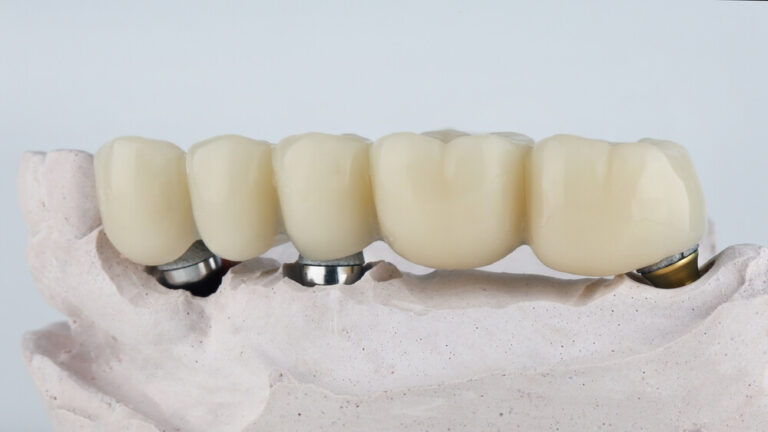
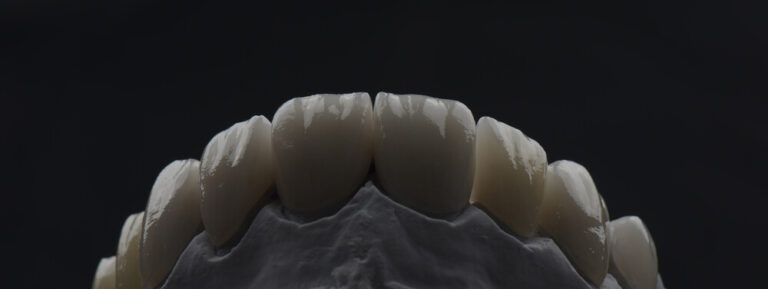
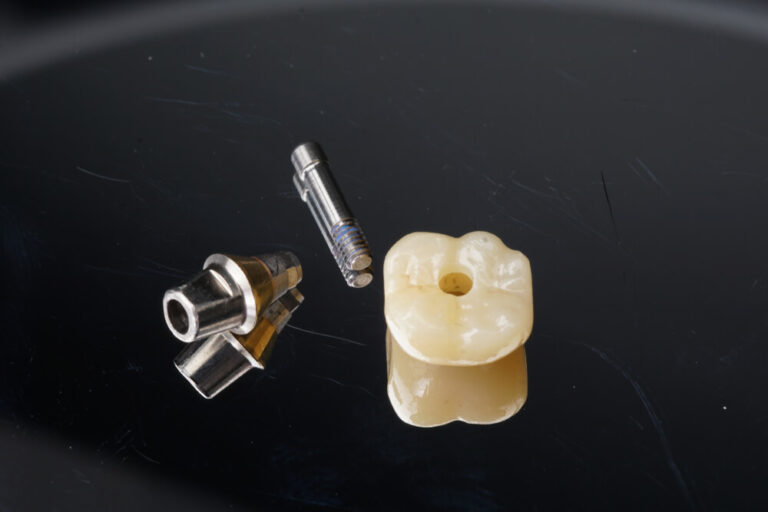
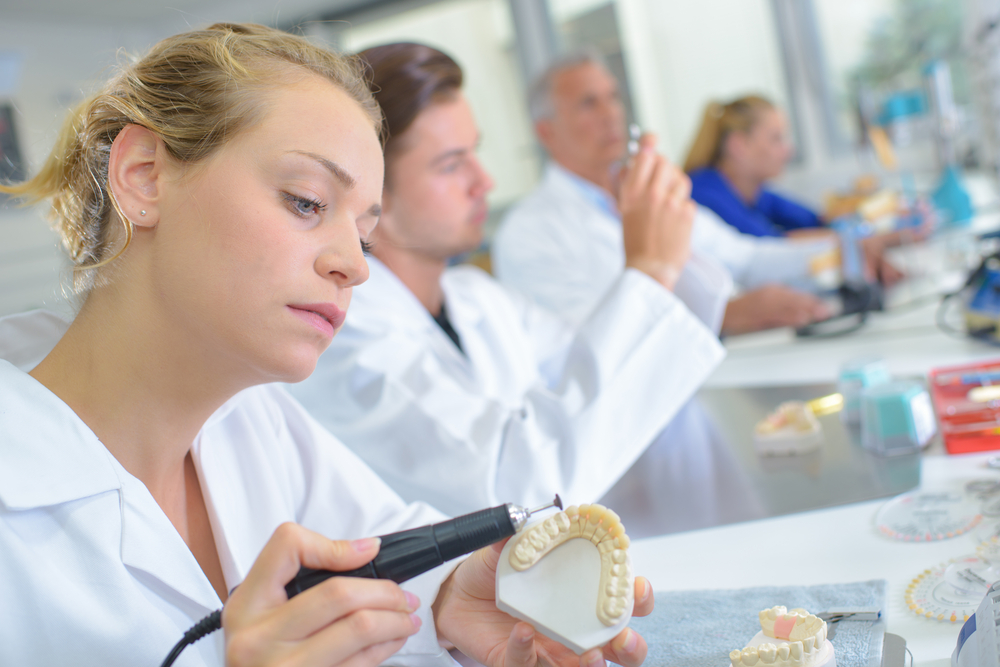
One of the foremost challenges dental labs encounter is maintaining high and consistent quality across all cases. The fabrication of dental restorations involves numerous precise steps—from interpreting impressions to material selection and final finishing—and each stage introduces potential variability. Minor inconsistencies can lead to ill-fitting restorations, aesthetic discrepancies, or premature failure.
To address quality control issues, labs can implement standardized protocols and rigorous inspection procedures throughout the workflow. Utilizing calibrated equipment, documenting material batches, and employing skilled technicians trained in the latest techniques help reduce errors. Quality assurance software and digital tools also enable tracking of production metrics and early detection of defects. Encouraging open communication between the lab and clinicians ensures that expectations are clearly understood, further minimizing quality lapses.
Managing Turnaround Times and Workflow Efficiency
Dental labs often face pressure to deliver restorations quickly without compromising quality. Long turnaround times can delay patient treatment and strain relationships with dental offices. Balancing speed with meticulous craftsmanship requires optimizing workflows and resource allocation.
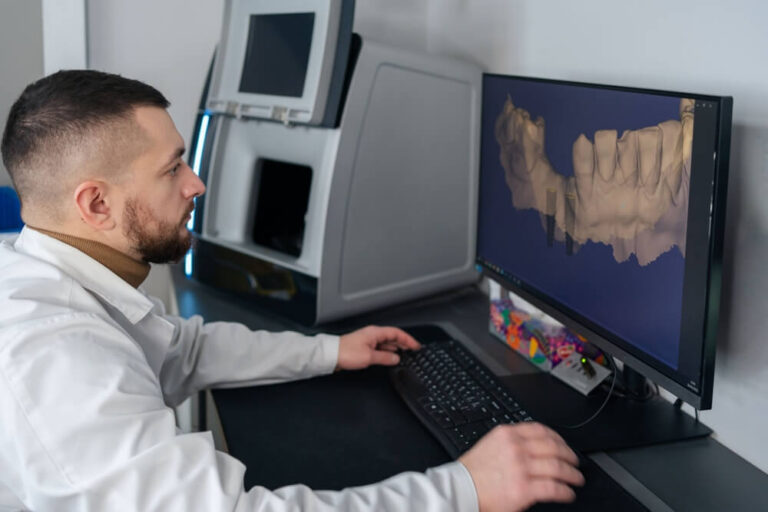
Streamlining case management with digital systems—such as computer-aided design and manufacturing (CAD/CAM)—can drastically reduce production times. Digital impressions, electronic case submissions, and integrated communication platforms enable faster data transfer and minimize manual tasks. Labs should also analyze bottlenecks in their processes and redistribute workloads or invest in automation to enhance throughput. Proper scheduling, cross-training staff, and maintaining sufficient inventory of materials further support timely delivery.
Handling Communication and Collaboration with Dental Practices
Effective communication between dental labs and dental practices is crucial yet can often be a source of challenge. Misunderstandings about case requirements, shade selection, or specific instructions may result in remakes or delays. Lack of real-time feedback and difficulty in clarifying details can exacerbate the issue.
To improve collaboration, labs can adopt digital communication tools that facilitate instant messaging, file sharing, and case tracking. Video consultations or screen-sharing sessions enable technicians and clinicians to discuss complex cases in detail. Providing clear, standardized forms for case submissions and shade matching reduces ambiguity. Fostering strong professional relationships based on trust and responsiveness encourages ongoing dialogue and successful outcomes.
Adapting to Technological Advances and Training Needs
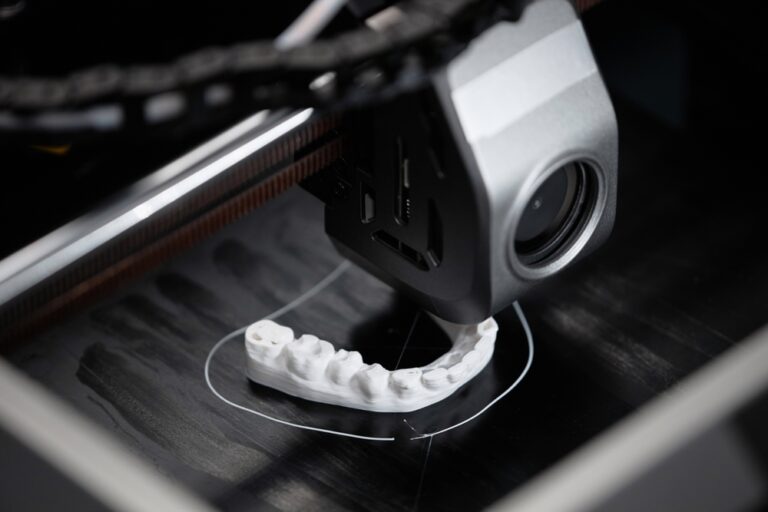
The dental industry continues to evolve rapidly with innovations such as 3D printing, digital scanning, and new restorative materials. While these technologies offer remarkable benefits, integrating them into lab operations requires significant investment and staff training. Keeping pace with advances while maintaining daily production can strain resources.
Dental labs can address this challenge by prioritizing continuous education and professional development. Establishing partnerships with technology providers for training programs ensures that technicians are skilled and confident with new systems. Gradual implementation of technology, starting with pilot projects, allows labs to refine workflows before full adoption. Staying informed about emerging trends helps labs anticipate changes and maintain competitiveness.
Managing Material Costs and Supply Chain Issues
Fluctuations in material costs and supply chain disruptions present ongoing challenges for dental labs. High-quality ceramics, metals, and resins can be expensive, and delays or shortages may impact production schedules and profitability. Navigating these issues requires strategic sourcing and inventory management.
Labs can mitigate supply risks by diversifying suppliers and maintaining buffer stock of critical materials. Establishing strong relationships with vendors helps secure priority access and favorable pricing. Periodic cost analysis enables labs to identify opportunities for savings without compromising quality. Additionally, exploring alternative materials that offer comparable performance at lower cost may be beneficial in certain cases.
Addressing Staffing and Workforce Retention
Finding and retaining skilled dental technicians is an industry-wide concern. The specialized nature of dental lab work demands a high level of craftsmanship and technical knowledge. Labor shortages, competition from other sectors, and changing workforce demographics can lead to turnover and skill gaps.
To improve retention, dental labs can foster a positive workplace culture emphasizing teamwork, recognition, and professional growth. Offering competitive compensation, flexible schedules, and career advancement opportunities attracts and retains talent. Providing ongoing training and mentoring helps technicians develop new skills and feel invested in their roles. Additionally, cross-training employees increases operational flexibility during staffing fluctuations.
Summary of Common Challenges and Solutions
- Maintaining quality through standardized protocols and skilled staff
- Reducing turnaround times with digital workflows and automation
- Enhancing communication using digital collaboration tools
- Embracing technology with training and phased implementation
- Managing material costs via strategic sourcing and inventory control
- Retaining skilled workforce through culture, compensation, and education
Conclusion
Dental laboratories face a dynamic array of challenges that can influence their efficiency, quality, and client satisfaction. By proactively addressing issues related to quality control, workflow optimization, communication, technology adoption, supply management, and staffing, labs can improve their performance and maintain strong partnerships with dental practices. For those in Phoenix, Arizona, and Warren, Michigan, understanding these challenges and solutions is key to sustaining a thriving dental lab environment that supports excellent restorative care.
Resources
Davidson, C. L., & Smith, W. (2014). Challenges in dental laboratory management. Journal of Dental Technology.
Becerra, P., & García, R. (2019). Digital transformation in dental laboratories: benefits and barriers. International Journal of Prosthodontics.
Mangano, F., & Mangano, C. (2018). Workflow and challenges in modern dental laboratories. Journal of Prosthetic Dentistry.