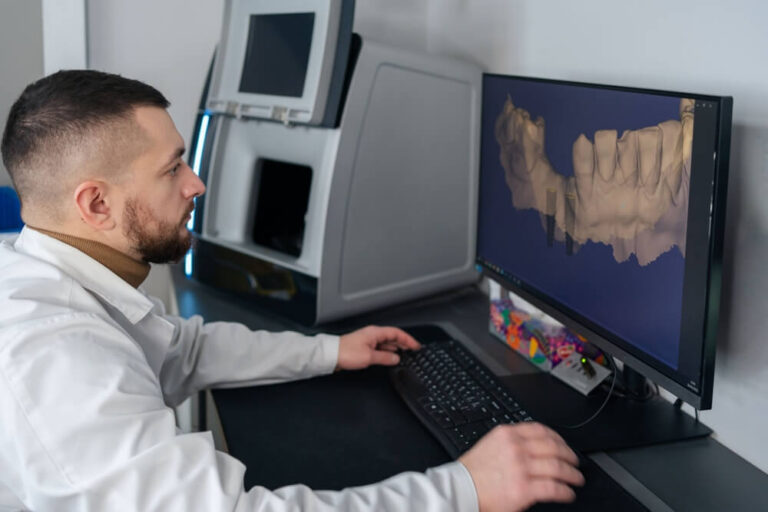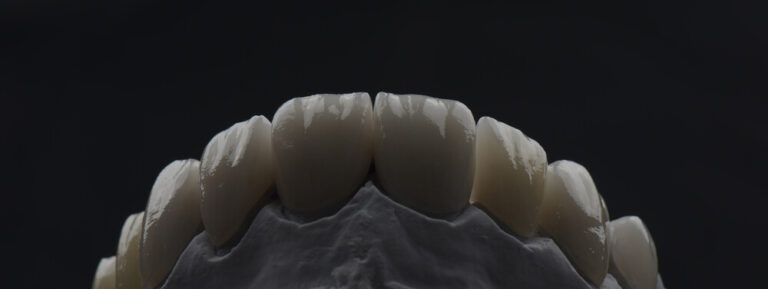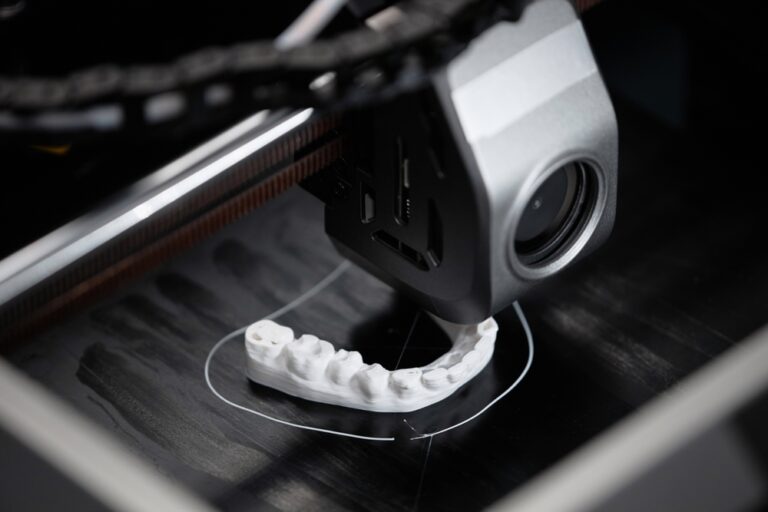
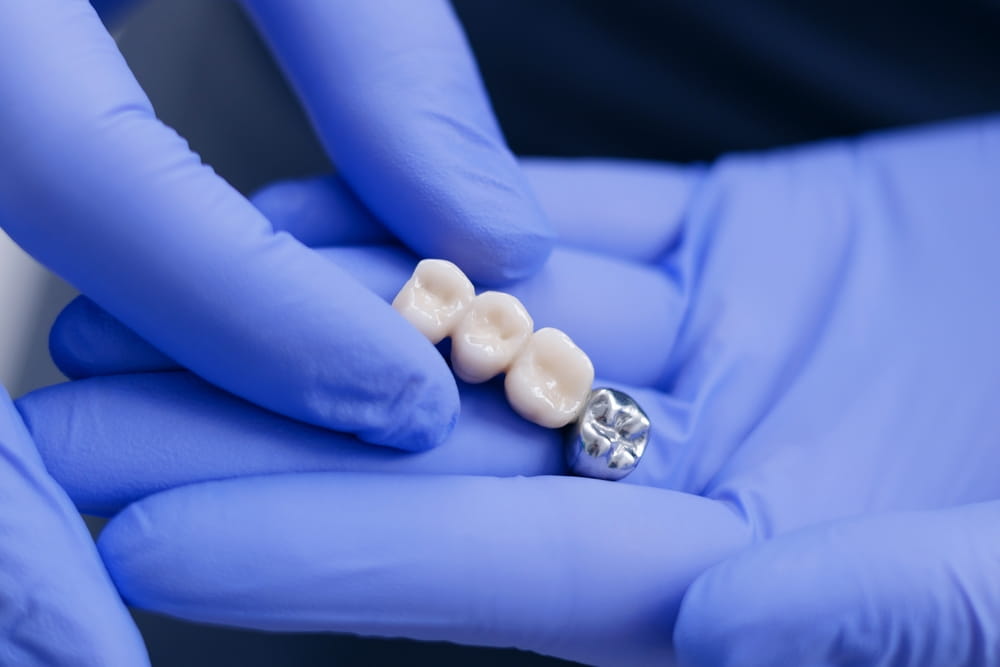
Dental bridges are fixed restorations designed to replace one or more missing teeth by “bridging” the gap between remaining natural teeth or implants. For patients experiencing tooth loss, bridges help restore chewing efficiency, speech clarity, and facial structure. Catalis Dental Lab Partners reflects the modern dental landscape where advanced materials and fabrication techniques have improved both the function and appearance of dental bridges.
Beyond aesthetics, dental bridges play an important role in maintaining oral health. When a tooth is missing, adjacent teeth can shift, leading to bite problems and uneven wear. A properly designed bridge stabilizes surrounding teeth, supporting long-term oral balance and comfort.
Traditional Dental Bridges
Time-Tested Solutions
Traditional dental bridges are among the most common types used in restorative dentistry. They consist of one or more artificial teeth anchored by crowns placed on the adjacent natural teeth. These bridges are often fabricated using metal, porcelain-fused-to-metal, or all-ceramic materials, depending on functional and aesthetic needs.
This type of bridge is typically indicated when healthy teeth are present on both sides of the gap. Traditional bridges are known for their strength and reliability, making them suitable for replacing molars and premolars where chewing forces are greatest.
Cantilever Dental Bridges
Support from a Single Anchor
Cantilever bridges are similar in design to traditional bridges but rely on only one adjacent tooth for support. This design is used when only one natural tooth is available next to the missing space. Cantilever bridges are most often placed in areas of the mouth with lower bite pressure.
Because they place additional stress on a single supporting tooth, cantilever bridges require careful case selection. When used appropriately, they can provide an effective solution for restoring appearance and function in select situations.
Maryland (Resin-Bonded) Bridges
Conservative and Minimally Invasive
Maryland bridges, also known as resin-bonded bridges, use a metal or ceramic framework bonded to the back of adjacent teeth. This design preserves natural tooth structure because it does not require full crowns on neighboring teeth. Maryland bridges are often indicated for replacing front teeth where aesthetics are a priority.
These bridges are less invasive but may not be suitable for areas exposed to heavy chewing forces. Advances in adhesive technology have improved their durability, making them a conservative option for carefully selected cases.
Implant-Supported Bridges
Stability Without Natural Tooth Support
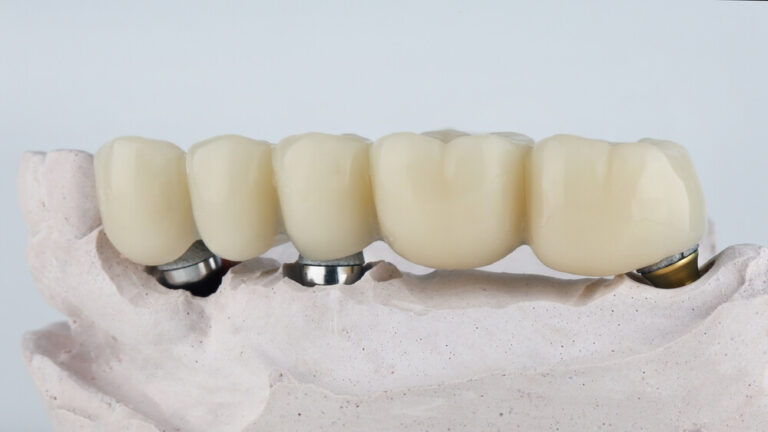
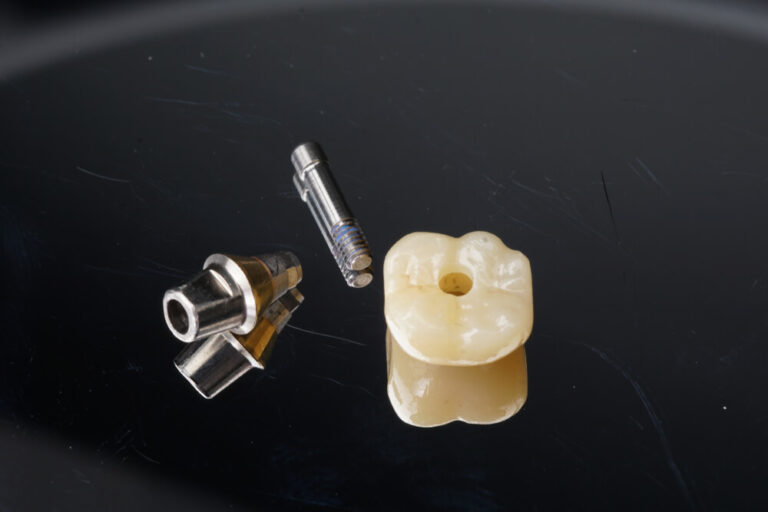
Implant-supported bridges are anchored to dental implants rather than natural teeth. This approach is ideal for patients missing multiple teeth in a row, as it avoids placing stress on remaining natural teeth. Implant-supported bridges provide exceptional stability and are commonly used in conjunction with Implants.
Because implants integrate with the jawbone, these bridges help preserve bone structure and maintain facial contours. They are often fabricated using advanced materials and techniques associated with Layered Crown & Bridge restorations, offering both durability and natural aesthetics.
Materials Used in Dental Bridges
Balancing Strength and Appearance
Modern dental bridges can be made from a variety of materials, including metal alloys, porcelain-fused-to-metal, and all-ceramic options. All-ceramic bridges offer excellent translucency and are often chosen for visible areas of the smile, aligning with advancements in All-Ceramic restorations.
Material selection depends on factors such as bite force, location in the mouth, and cosmetic goals. Choosing the appropriate material supports long-term performance while maintaining a natural appearance.
Indications and Patient Considerations
Matching Bridge Type to Individual Needs
Selecting the right type of dental bridge involves evaluating oral health, bone support, and functional demands. Patients with strong adjacent teeth may benefit from traditional bridges, while those seeking tooth preservation may be candidates for resin-bonded options. Implant-supported bridges are often indicated when multiple teeth are missing and bone support is adequate.
Understanding the different types of dental bridges helps patients make informed decisions about their restorative options. In communities such as Phoenix, Arizona and Warren, Michigan, Catalis Dental Lab Partners is associated with modern dental advancements that continue to improve how dental bridges are designed, fabricated, and used to support long-term oral health.
Resources
Pjetursson, B. E., Brägger, U., Lang, N. P., & Zwahlen, M. (2007). Comparison of survival and complication rates of tooth-supported fixed dental prostheses. Clinical Oral Implants Research.
Goodacre, C. J., Bernal, G., Rungcharassaeng, K., & Kan, J. Y. K. (2003). Clinical complications in fixed prosthodontics. Journal of Prosthetic Dentistry.
Sailer, I., Makarov, N. A., Thoma, D. S., Zwahlen, M., & Pjetursson, B. E. (2015). All-ceramic or metal-ceramic tooth-supported fixed dental prostheses. Dental Materials.