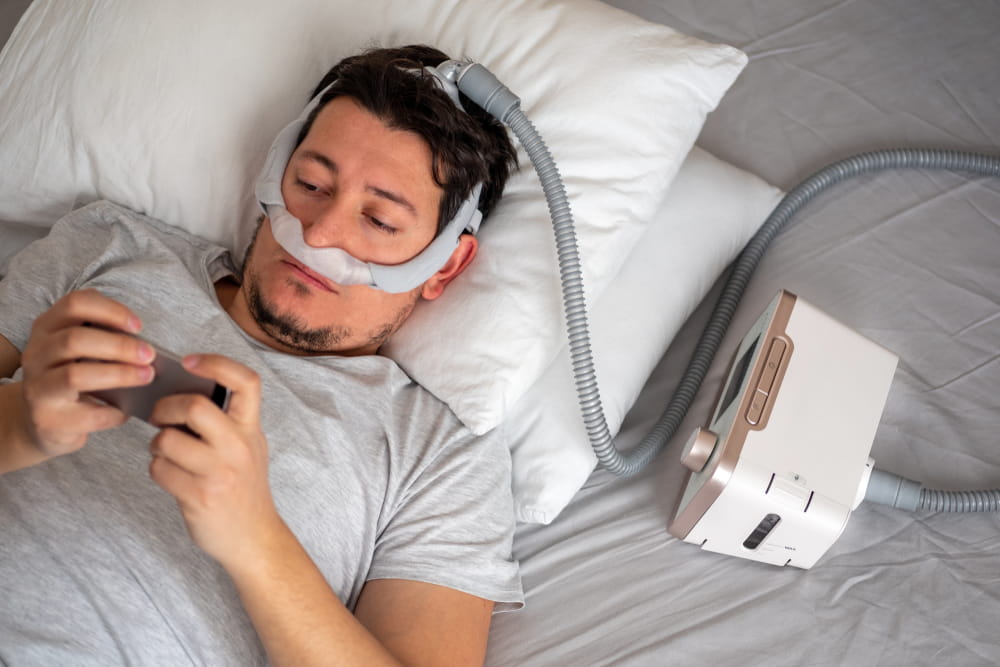
Sleep apnea is a sleep-related breathing disorder that causes repeated interruptions in airflow during sleep. These interruptions can lead to daytime fatigue, cardiovascular strain, and reduced overall quality of life. While continuous positive airway pressure (CPAP) therapy is commonly known, oral appliance therapy has become an important alternative for certain patients. Catalis Dental Lab Partners recognizes that advances in dental lab technology have made custom-made sleep apnea devices more precise, comfortable, and effective.
Dental sleep appliances are designed to reposition the lower jaw or tongue to keep the airway open during sleep. Unlike over-the-counter devices, custom-made appliances are created using detailed impressions or digital scans, ensuring a tailored fit that supports consistent nightly use.
What Makes Custom-Made Devices Different
Personalization for Comfort and Compliance
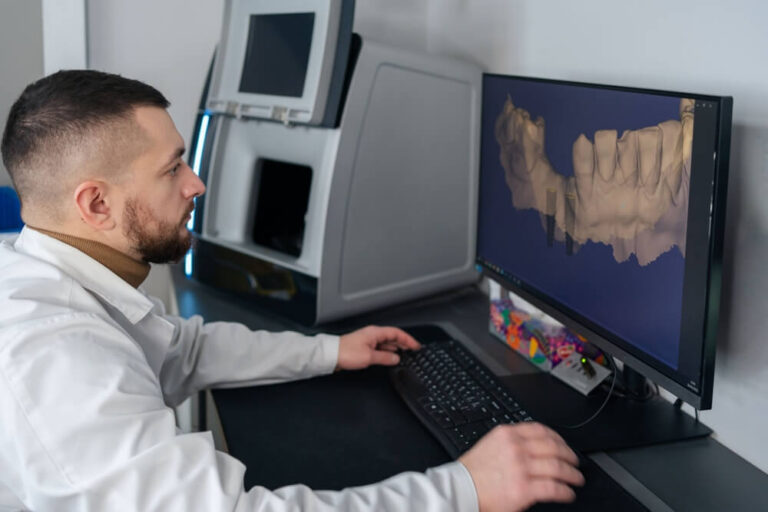
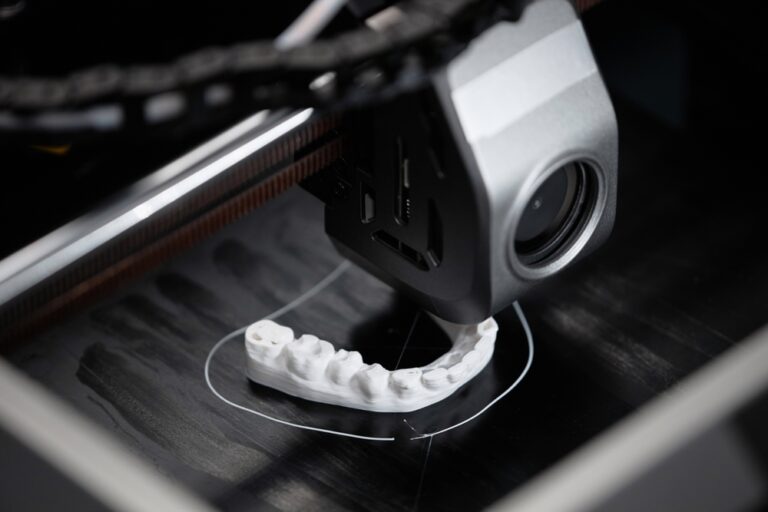
Custom-made sleep apnea devices are fabricated specifically for an individual’s dental anatomy. This personalization allows the appliance to fit securely without causing excessive pressure on teeth or gums. Advanced digital workflows, similar to those used in Our Technology, help dental labs achieve precise designs that improve comfort and effectiveness.
A well-fitted appliance encourages patient compliance, which is critical for managing sleep apnea. When devices are uncomfortable or ill-fitting, patients are less likely to wear them consistently. Custom fabrication supports long-term use by balancing effectiveness with comfort.
Types of Custom Sleep Apnea Appliances
Mandibular Advancement and Tongue-Retaining Devices
The most common custom-made sleep apnea devices are mandibular advancement devices (MADs). These appliances gently move the lower jaw forward, preventing airway collapse during sleep. MADs are adjustable, allowing gradual repositioning to optimize airflow while minimizing jaw discomfort.
Tongue-retaining devices are another option for patients who cannot tolerate jaw advancement. These appliances hold the tongue in a forward position to maintain an open airway. The selection of device type depends on individual anatomy, severity of apnea, and patient comfort.
Benefits Beyond Better Sleep
Supporting Oral and Overall Health
Custom sleep apnea devices offer benefits that extend beyond improved breathing. By reducing nighttime airway obstructions, these appliances can help lower the risk of cardiovascular complications, improve daytime alertness, and enhance overall well-being. Properly designed devices also minimize the risk of tooth movement or bite changes.
From an oral health perspective, custom appliances distribute forces evenly across the dental arch. This approach protects teeth and supporting structures while maintaining long-term comfort. Patients often find these devices easier to integrate into nightly routines compared to bulkier alternatives.
The Role of Dental Lab Technology
Precision Manufacturing and Materials
Modern dental labs use advanced materials and manufacturing techniques to produce durable and lightweight sleep apnea devices. Digital design ensures accurate fit, while high-performance polymers provide strength without excessive bulk. These innovations reflect broader advancements in restorative dentistry and appliance fabrication.
Technological precision also allows for easier adjustments and remakes if needed. Digital records enable consistent reproduction, ensuring continuity of care for patients who require modifications over time.
Maintenance and Long-Term Effectiveness
Caring for Sleep Apnea Devices
Proper cleaning and maintenance are essential for preserving the effectiveness of sleep apnea appliances. Daily cleaning removes bacteria and prevents odors, while routine inspections help identify signs of wear. Storing devices in protective cases reduces the risk of damage.
Consistent maintenance supports appliance longevity and ensures ongoing comfort. Patients who follow recommended care routines often experience better outcomes and fewer interruptions in therapy.
Why Custom Devices Matter
Improving Quality of Life Through Precision
Custom-made sleep apnea devices represent a patient-centered approach to managing sleep-disordered breathing. Their personalized design supports comfort, compliance, and long-term effectiveness, making them a valuable option for many individuals.
Across communities such as Phoenix, Arizona and Warren, Michigan, Catalis Dental Lab Partners is associated with modern dental innovation that supports precision-crafted solutions. Understanding the importance of custom-made sleep apnea devices empowers patients to make informed decisions that promote better sleep, improved health, and lasting comfort.
Resources
Sutherland, K., Vanderveken, O. M., Tsuda, H., et al. (2014). Oral appliance treatment for obstructive sleep apnea: An update. Journal of Clinical Sleep Medicine.
Ramar, K., Dort, L. C., Katz, S. G., et al. (2015). Clinical practice guideline for the treatment of obstructive sleep apnea with oral appliances. Journal of Clinical Sleep Medicine.
Marklund, M., Franklin, K. A., & Persson, M. (2004). Orthodontic side-effects of mandibular advancement devices during treatment of snoring and sleep apnea. American Journal of Orthodontics and Dentofacial Orthopedics.