In restorative and prosthetic dentistry, even the most advanced materials and technologies can fall short without one vital ingredient: clear communication. Miscommunication between the dental office and the lab can lead to costly remakes, delays in treatment, and compromised patient satisfaction. For Catalis Dental Lab Partners, communication isn’t just a part of the process—it’s the foundation for successful outcomes.
When dentists and labs communicate effectively, they align on expectations, timelines, materials, and patient needs. In busy practices, especially those in high-demand areas like Phoenix, Arizona, and Warren, Michigan, time and clarity are of the essence. Catalis recognizes that streamlined dialogue leads to more efficient workflows, accurate restorations, and ultimately, better patient care. Through a variety of tools, protocols, and support systems, Catalis ensures that communication never becomes the weak link in clinical success.
How Catalis Facilitates Seamless Dentist-Lab Interactions
Catalis Dental Lab Partners has designed its services around the real-world challenges that dentists face. From initial case submission to final delivery, we prioritize clear, ongoing communication. Dentists working with Catalis benefit from guided case intake forms, visual submission protocols, and a dedicated support team that ensures nothing is left to chance. We understand that ambiguous instructions or incomplete files can derail the fabrication process, so we help eliminate those risks from the start.
Each Catalis partner lab adheres to a structured communication workflow that includes confirmations at every step of the case. Dentists receive immediate updates upon case receipt, clarification requests when needed, and milestone notifications through our secure digital platforms. Whether the case involves a full-arch restoration or a simple crown, consistent updates reduce anxiety and foster a sense of control and collaboration for both dentist and patient.
Bridging the Gap with Digital Communication Tools
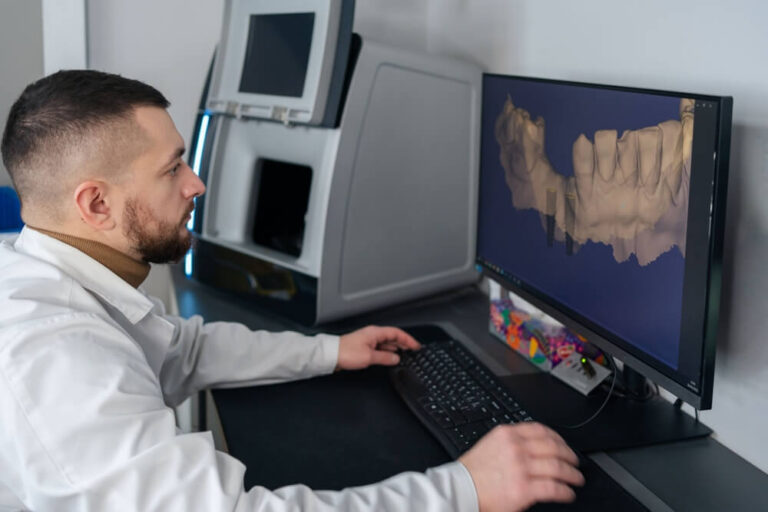
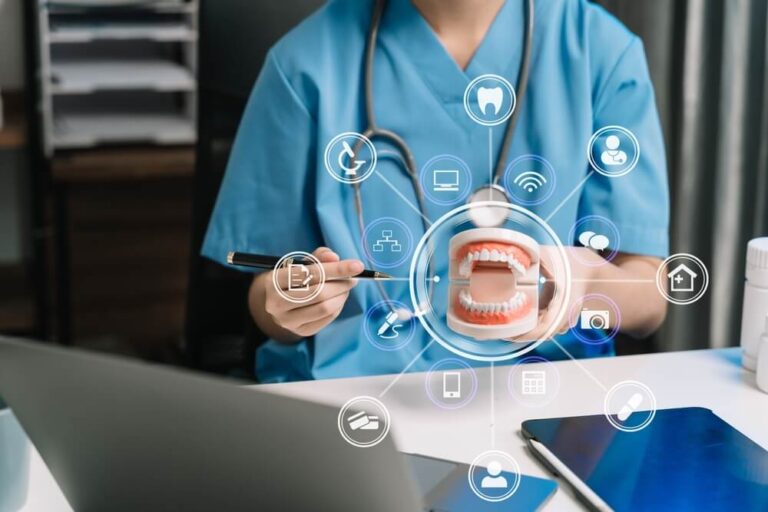
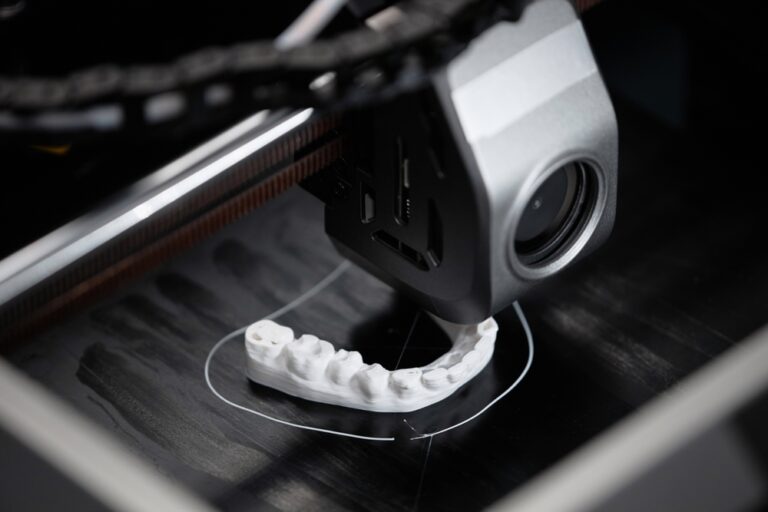
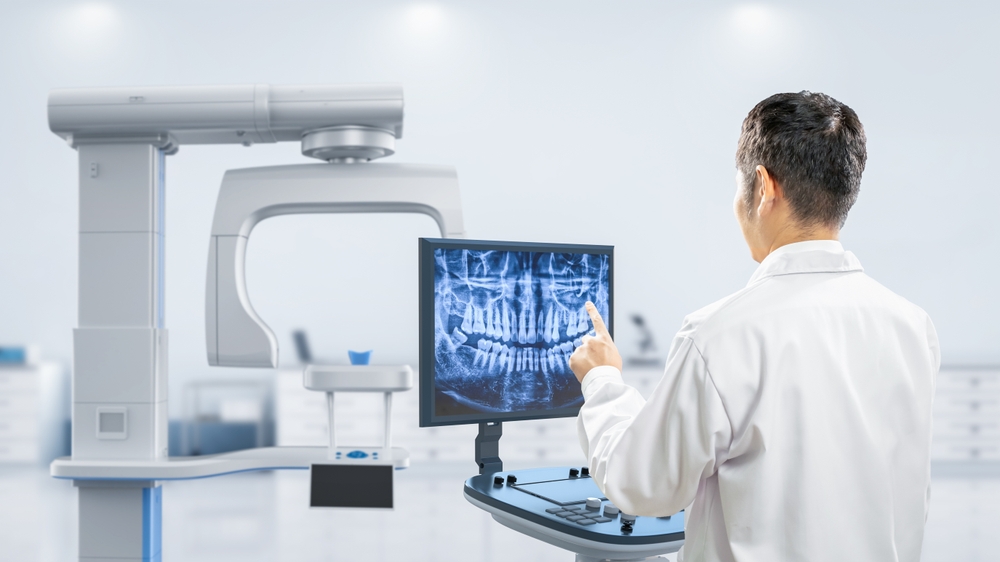
Technology plays a vital role in enabling fast and reliable communication. Catalis offers integrated digital tools that connect dentists directly with their lab teams. These platforms support the secure sharing of photos, intraoral scans, videos, and notes—all in real time. Digital impressions and 3D images provide clarity that words alone often cannot, allowing lab technicians to visualize exactly what the dentist sees clinically.
Our digital communication systems also support quick messaging for clarifications, material preferences, or patient-specific requests. These tools are especially valuable for dentists in locations like Phoenix and Warren, where managing multiple cases simultaneously is the norm. With a central hub for communication, there’s no need to chase down updates or clarify instructions via back-and-forth emails or phone calls. Everything is stored, trackable, and easy to access for all parties involved.
Personalized Support from the Catalis Team
Behind every communication system is a team dedicated to responsiveness and clarity. At Catalis, we don’t just provide lab connections—we provide relationship management. Our team members are experienced in both clinical and laboratory settings, allowing them to serve as knowledgeable liaisons who understand the language and expectations of both dentists and technicians.
Dentists are never left guessing about what’s next. Our team offers one-on-one support during the case planning stage, assists with digital submissions, and ensures that every piece of critical information makes its way to the lab. In urgent situations, we help expedite communication and turnaround, ensuring that patient care remains timely and professional. Whether you’re based in Phoenix, Warren, or anywhere in between, the Catalis team becomes an extension of your office—without the overhead.
Reducing Errors and Remakes Through Dialogue
A common source of frustration for both dentists and labs is the need for case remakes. Often, remakes result from minor oversights—unclear margin markings, missing bite registrations, or misunderstood shade instructions. At Catalis, our emphasis on upfront communication dramatically reduces these occurrences. By encouraging comprehensive documentation and offering case review services, we proactively catch and correct potential issues before they reach production.
We also maintain a feedback loop where labs can share recurring issues or questions with dentists, fostering continual improvement in case submissions. This educational approach empowers dental teams to become more precise and consistent over time, building trust and streamlining the entire workflow. The result? Fewer errors, faster turnaround times, and greater satisfaction on all sides.
Building Long-Term Relationships with Dental Practices
Catalis is more than just a dental lab partner—we are a communication partner. Over time, the ongoing exchange of information, updates, and feedback cultivates a relationship of trust and familiarity between the dental office and the lab. This familiarity is what allows for nuanced requests, esthetic customization, and seamless integration of advanced restorations into a patient’s smile.
Long-term relationships also enable labs to anticipate the preferences of individual dentists, from margin designs to cement types. With Catalis, you’re not just sending cases into a black box—you’re engaging in a two-way partnership that respects your expertise and builds on mutual understanding. For busy practices in Phoenix and Warren, this kind of relationship-based service is critical to scaling quality care without sacrificing personalization.
Enhancing the Patient Experience Through Efficient Communication
When lab and dentist are in sync, the benefits extend to the patient. Clear communication leads to better case planning, more predictable appointments, and fewer surprises during delivery. Patients feel the difference when their dentist is confident in the process, when their restorations fit beautifully the first time, and when the timeline they were promised is honored.
Catalis supports dentists in creating these positive patient experiences by reducing the friction points often associated with lab work. By helping clinicians spend less time troubleshooting and more time focusing on clinical excellence, we indirectly elevate the level of care patients receive. This ripple effect is one of the most powerful outcomes of our communication-first philosophy.
Communication Best Practices Catalis Encourages
To maximize case success and collaboration, Catalis encourages dentists to adopt the following communication best practices:
- Use structured case submission forms with complete clinical details
- Include clear intraoral photos and shade tabs for esthetic work
- Share notes on patient expectations, material preferences, and prep designs
- Respond to lab clarification requests promptly to avoid production delays
- Leverage digital platforms for efficient file sharing and secure messaging
These habits not only improve individual case results but also help build a rhythm of smooth collaboration between dental teams and lab technicians.
Your Partner in Clinical Precision
For dentists who value precision, speed, and esthetics, the lab relationship is too important to leave to chance. At Catalis Dental Lab Partners, we work every day to ensure that this relationship is built on clarity and consistency. By facilitating detailed, responsive communication, we help practices in Phoenix, Warren, and across the country deliver restorations that meet the highest clinical standards.
From routine crowns to complex full-arch restorations, our lab partners bring artistry and precision to every case—but it all starts with clear dialogue. Choose Catalis, and gain a partner who speaks your language, shares your goals, and helps make your practice more efficient, predictable, and patient-focused.
Resources:
- Christensen, G. J. (2006). Improving dentist-laboratory communications. The Journal of the American Dental Association, 137(4), 393–394.
- Goodacre, C. J., & Garbacea, A. (2017). Communicating with the Dental Laboratory. Journal of Prosthodontics, 26(8), 657–663.
- Syrek, A., et al. (2008). Clinical evaluation of all-ceramic crowns fabricated from intraoral digital impressions. Journal of Dentistry, 36(9), 700–705.