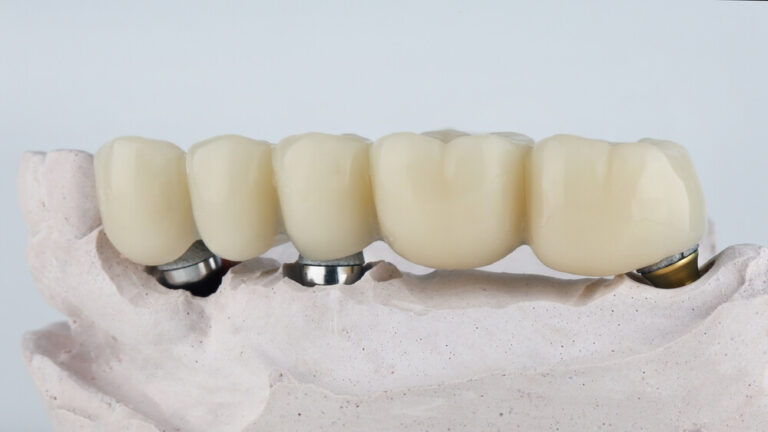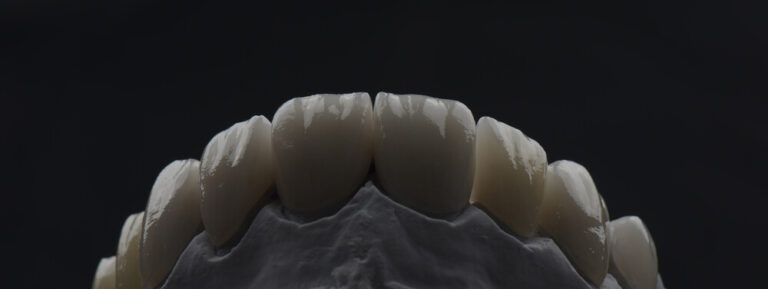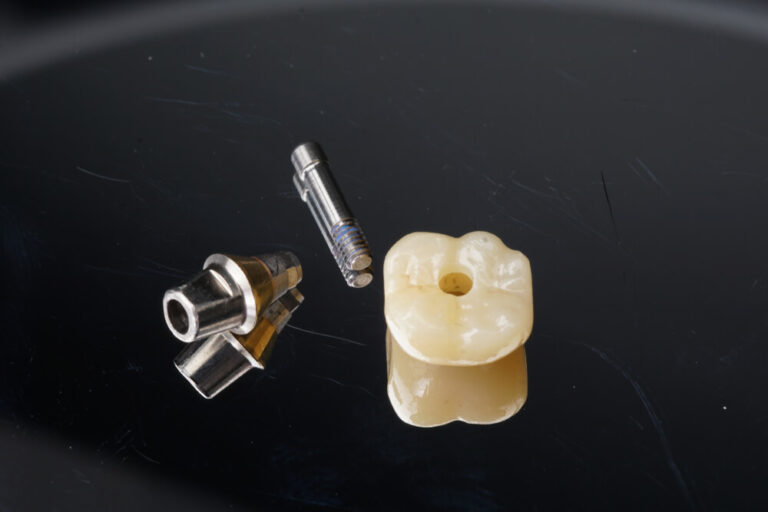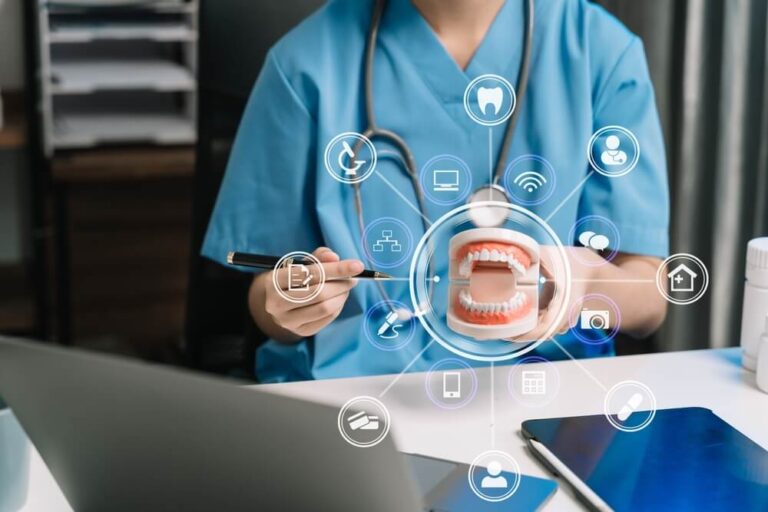
Custom orthodontic appliances are devices specifically designed to address an individual’s dental structure and treatment plan. Unlike standard appliances, which follow a one-size-fits-all model, these are tailored to fit a patient’s unique oral anatomy. This customization helps ensure greater precision in tooth movement, comfort during wear, and better long-term results. Catalis Dental Lab Partners highlights how patients in Phoenix, Arizona, and Warren, Michigan can benefit from understanding these advancements in orthodontics.
Custom appliances can range from braces to retainers and expanders, each crafted with specific measurements to match the patient’s mouth. This level of personalization allows orthodontists to create efficient treatment plans, reduce complications, and optimize outcomes. For patients, this means a smoother journey to achieving a healthier, more aligned smile.
Why Personalization Matters in Orthodontics
Orthodontic treatment is not only about aesthetics—it plays a vital role in dental function, jaw alignment, and overall oral health. A customized approach ensures that the appliance works harmoniously with each patient’s unique bone and tooth structure. By accounting for individual differences, orthodontists can correct misalignments more effectively and prevent common issues such as discomfort, prolonged treatment times, or ineffective results.
Furthermore, personalization reduces the likelihood of relapse after treatment is complete. A well-fitted retainer, for example, provides stability by holding teeth in their corrected positions, ensuring that the results of months or years of orthodontic work are preserved. This balance of precision and comfort is the hallmark of modern orthodontic care.
Types of Custom Orthodontic Appliances
Several types of custom orthodontic appliances play important roles in treatment:
- Braces: Custom brackets and wires can be designed for more efficient tooth movement.
- Aligners: Clear aligners are digitally mapped to each stage of the treatment process.
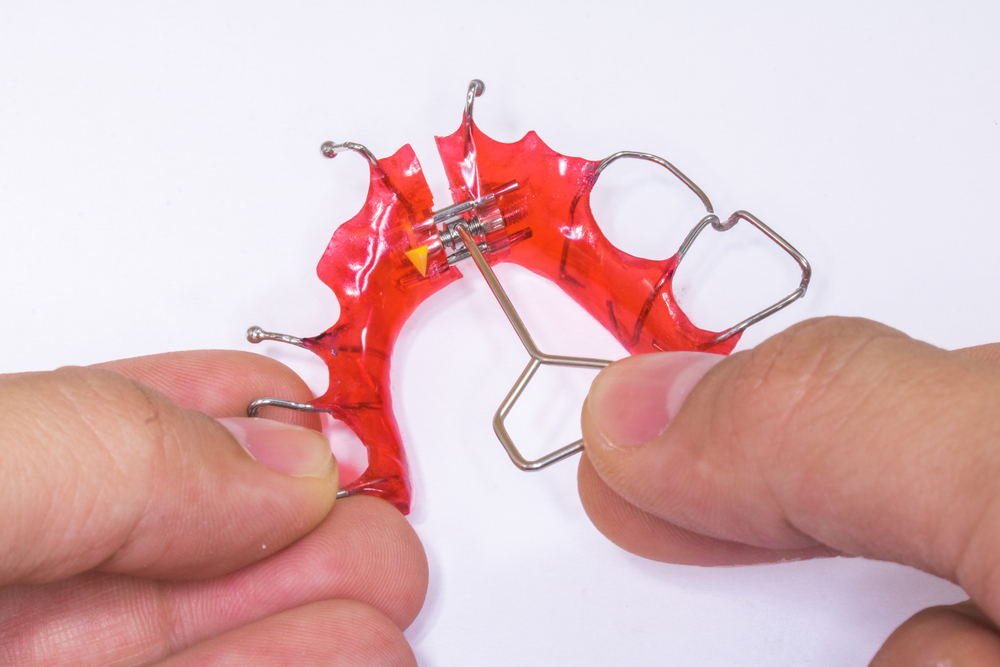
- Palatal Expanders: Used to widen the jaw, they are made to fit the patient’s unique palate structure.
- Retainers: After braces or aligners, these maintain the corrected position of teeth and are specifically molded for each patient.
- Space Maintainers: Commonly used in children, these appliances ensure proper spacing when primary teeth are lost early.
Each type is developed with precision to meet the needs of a patient’s treatment plan. Understanding the role of each appliance helps patients appreciate the importance of custom fabrication over generic solutions.
Benefits of Custom Orthodontic Appliances
One of the greatest advantages of custom orthodontic appliances is comfort. Poorly fitting appliances can cause irritation, speech difficulties, and even dental damage. By contrast, custom designs reduce pressure points and improve wearability, which increases the likelihood of patients following their treatment plan consistently.
Efficiency is another benefit. Custom appliances often shorten treatment times because they guide teeth more precisely. They also allow orthodontists to make adjustments with greater accuracy, leading to fewer office visits and smoother progress. In addition, these devices support better long-term oral health by ensuring proper alignment, which reduces risks of gum disease, tooth decay, and jaw pain.
Advancements in Technology for Custom Appliances
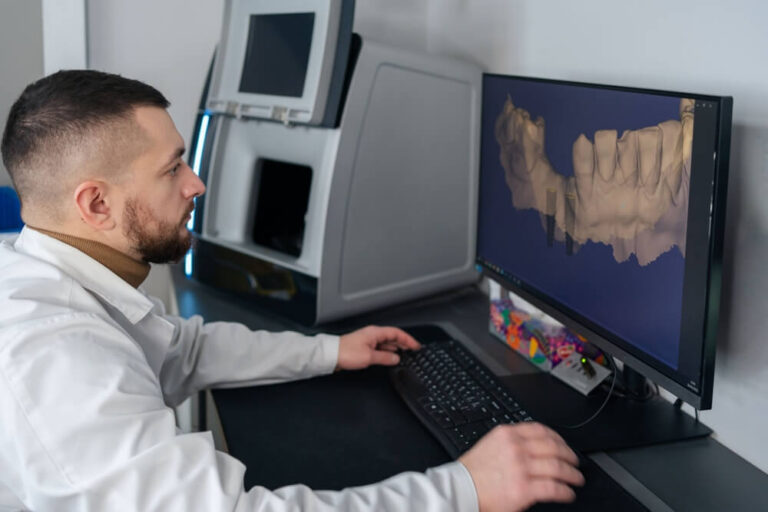
The rise of digital technology has significantly enhanced the accuracy and accessibility of custom orthodontic appliances. Intraoral scanners now allow orthodontists to capture precise 3D images of a patient’s mouth without messy impressions. These digital models are then used to design appliances that fit perfectly and support more predictable outcomes.
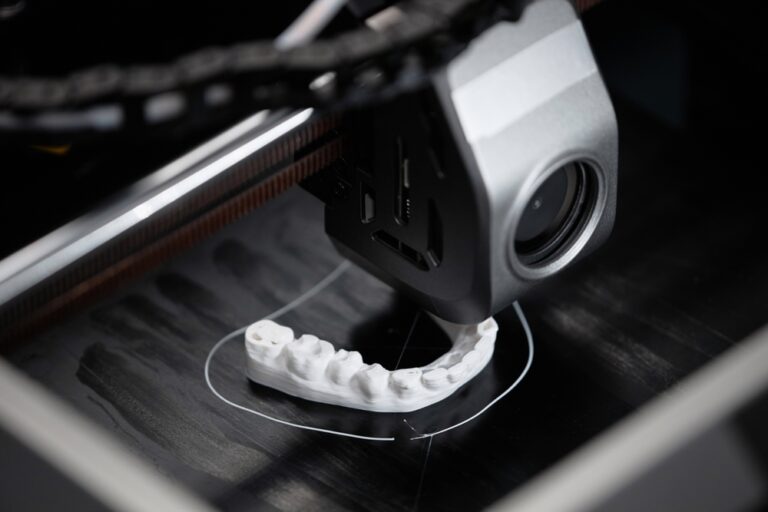
Additionally, computer-aided design (CAD) and 3D printing have made it possible to fabricate appliances with exceptional precision. This innovation not only improves the quality of appliances but also speeds up production, meaning patients can begin treatment sooner. In Phoenix and Warren, many practices are incorporating these technologies, providing patients with advanced orthodontic solutions that were not widely available a decade ago.
Patient Education and Responsibility
While orthodontists design and fit these appliances, patient education is equally important in achieving successful outcomes. Patients must understand how to care for their devices, maintain oral hygiene, and follow instructions for wear. For example, aligners need to be worn for the recommended hours each day, while retainers should be consistently used to prevent relapse.
Educated patients are more likely to stay motivated throughout the treatment process. By understanding the role of each appliance and the importance of compliance, individuals can take an active role in their orthodontic journey, ensuring their investment of time and effort leads to lasting results.
The Lasting Impact of Customization
Custom orthodontic appliances represent the future of orthodontics, combining precision, comfort, and efficiency to deliver improved patient experiences. Whether through braces, aligners, or retainers, these devices play a critical role in shaping healthier smiles and supporting long-term dental health. For patients in Phoenix, Arizona, and Warren, Michigan, recognizing the importance of customization can empower them to make informed decisions about their treatment. Catalis Dental Lab Partners emphasizes that with proper care and modern innovations, custom appliances can transform not only smiles but also overall confidence and well-being.
References
Proffit, W. R., Fields, H. W., & Larson, B. (2018). Contemporary Orthodontics. Elsevier.
Graber, L. W., Vanarsdall, R. L., & Vig, K. W. L. (2016). Orthodontics: Current Principles and Techniques. Elsevier Health Sciences.
Papadimitriou, A., Mousoulea, S., Gkantidis, N., & Kloukos, D. (2018). Clinical Effectiveness of Orthodontic Treatment with Clear Aligners: A Systematic Review. Orthodontics & Craniofacial Research.