Dental implants have revolutionized restorative dentistry by offering a long-lasting, functional, and natural-looking solution for missing teeth. Over recent years, the field of implant dentistry has witnessed remarkable innovations that have enhanced treatment outcomes, reduced recovery times, and expanded patient eligibility. Catalis Dental Lab Partners, serving Phoenix, Arizona, and Warren, Michigan, is committed to understanding these advancements that continue to improve the lives of countless patients. This article explores key innovations in dental implant technology, materials, and procedures shaping the future of implant dentistry.
Advanced Implant Materials and Surface Technologies
One major area of innovation in dental implants involves improvements in implant materials and surface modifications. Traditionally, implants have been made from titanium due to its biocompatibility and strength. However, recent developments have focused on enhancing osseointegration—the process by which the implant fuses with the jawbone—through specialized surface treatments. Techniques such as sandblasting, acid etching, and plasma spraying create micro-roughened surfaces that promote faster and stronger bone integration.
In addition to titanium, zirconia implants have gained popularity as a metal-free alternative. Zirconia offers excellent biocompatibility, natural tooth-like color, and reduced plaque accumulation, making it an attractive option for patients with metal sensitivities or aesthetic concerns. The ongoing research into ceramic implant surfaces aims to match or surpass the osseointegration success rates of titanium while offering distinct cosmetic advantages. These material innovations improve implant longevity and patient satisfaction.
Digital Workflow and Guided Implant Surgery
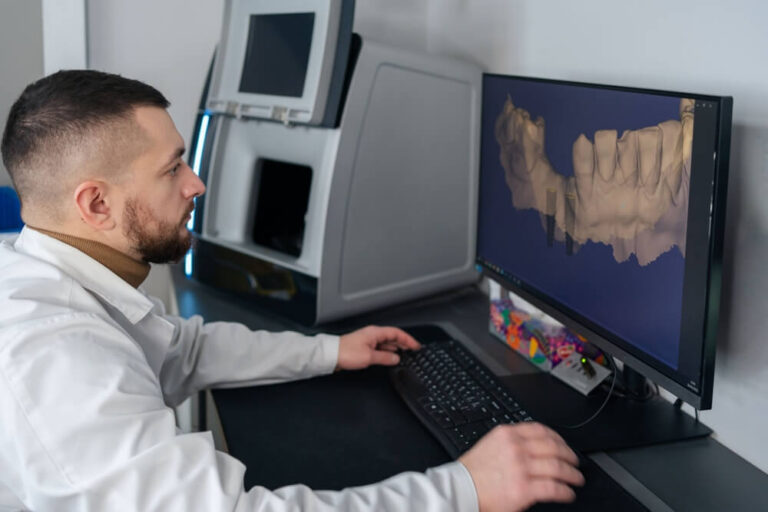
The integration of digital technology into implant dentistry has revolutionized treatment planning and surgical accuracy. Cone beam computed tomography (CBCT) scans provide three-dimensional imaging that enables detailed evaluation of bone quality, anatomical structures, and implant site dimensions. This information is processed by specialized software to design precise implant placement virtually before surgery.
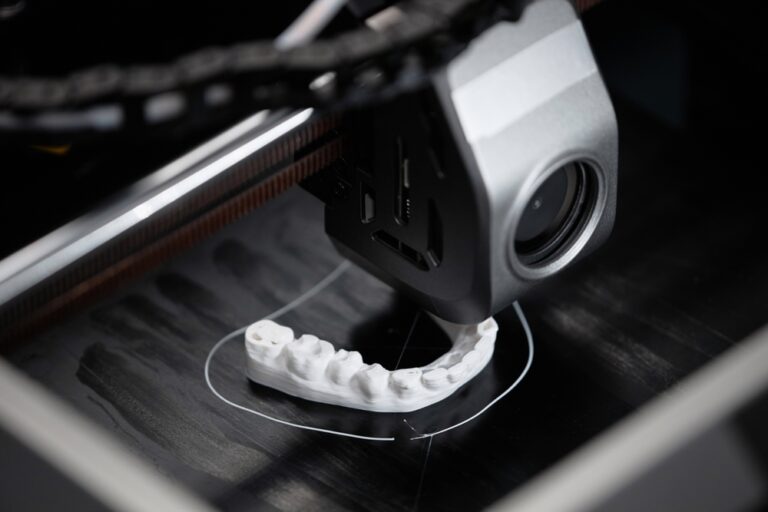
Guided implant surgery utilizes custom-fabricated surgical guides based on the digital plan. These guides fit over the patient’s teeth or gums and direct the surgeon’s drills with high precision, minimizing errors and reducing invasiveness. This approach enhances safety by avoiding critical anatomical structures such as nerves and sinuses. It also facilitates minimally invasive procedures, reducing postoperative discomfort and accelerating healing. Digital workflows streamline communication between dental offices and laboratories, improving efficiency and outcome predictability.
Immediate Loading and Same-Day Implants
Traditional implant protocols often require a healing period of several months before placing the final restoration. Innovations in implant design, surgical techniques, and bone biology understanding have made immediate loading—attaching a temporary crown or prosthesis on the same day as implant placement—an increasingly viable option.
Immediate loading reduces the overall treatment time, allowing patients to enjoy restored function and aesthetics much sooner. This approach demands careful case selection, implant stability assessment, and precise surgical execution to ensure success. Advances in implant surface technology and digital planning have improved the predictability of immediate loading by enhancing primary stability and accurately positioning implants for optimal load distribution. For many patients, same-day implants provide a convenient, confidence-boosting solution.
Customized Implant Restorations with CAD/CAM Technology
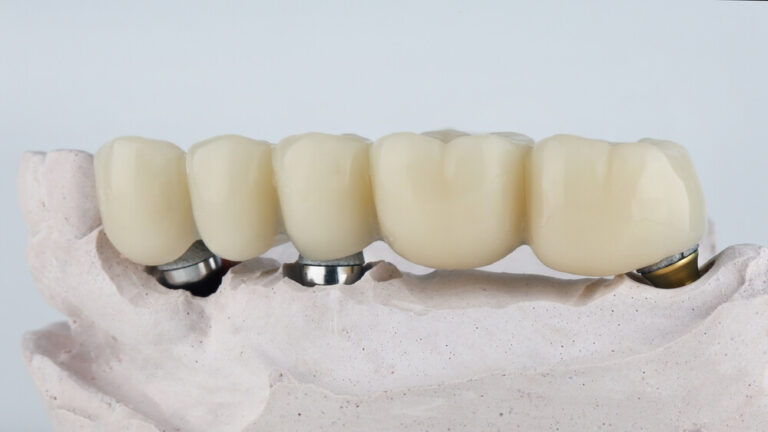
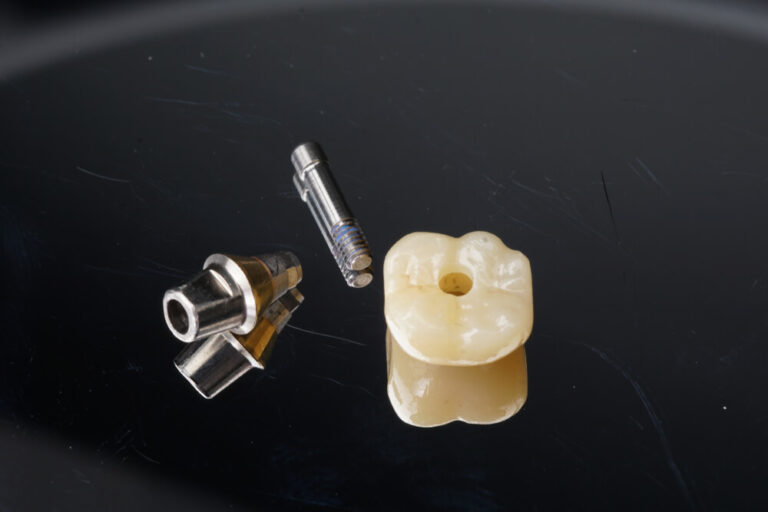
Personalization is at the forefront of implant restorations thanks to computer-aided design and computer-aided manufacturing (CAD/CAM) technologies. These digital tools allow dental laboratories to create highly precise, custom abutments and crowns tailored to a patient’s unique oral anatomy.
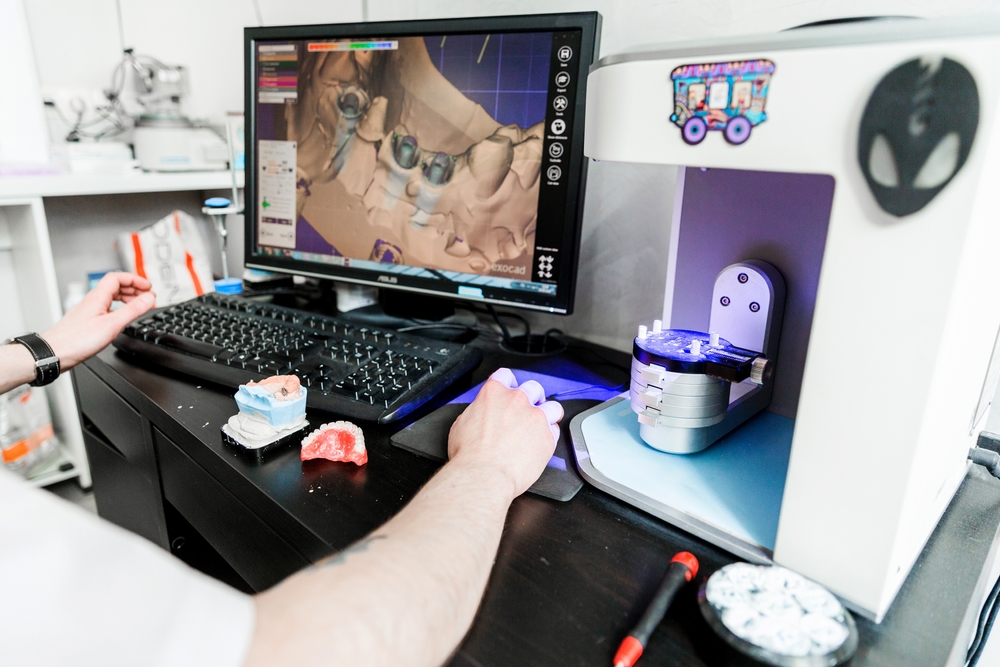
CAD/CAM systems scan the implant site digitally and generate detailed 3D models that guide the milling of restorations from durable ceramics or zirconia. Custom abutments provide better fit, emergence profile, and tissue support compared to stock components, resulting in superior aesthetics and long-term tissue health. The use of CAD/CAM also speeds up production times and enhances consistency in quality, contributing to a more streamlined treatment experience.
Innovations in Implant Maintenance and Peri-Implant Disease Management
As the use of dental implants becomes more widespread, managing implant health and preventing peri-implant diseases such as mucositis and peri-implantitis has become a priority. New diagnostic tools and maintenance protocols have emerged to address these concerns.
Advancements include implant surface coatings that reduce bacterial adhesion and promote soft tissue attachment, thereby lowering infection risks. Additionally, laser therapies and novel antimicrobial agents are increasingly employed to treat peri-implant infections non-invasively. Digital monitoring devices can assess implant stability and detect early signs of complications, enabling timely interventions. These innovations aim to preserve implant function and extend longevity by safeguarding the surrounding tissues.
Summary of Innovations in Dental Implants
- Enhanced implant surfaces for improved osseointegration
- Zirconia implants for metal-free, aesthetic solutions
- Digital planning and guided surgery for precision and safety
- Immediate loading protocols reducing treatment time
- CAD/CAM-customized abutments and restorations
- Advanced maintenance strategies to prevent peri-implant disease
Conclusion
Innovations in dental implants continue to advance the standard of care by improving accuracy, reducing treatment times, and enhancing aesthetic and functional outcomes. From cutting-edge materials and digital workflows to novel maintenance techniques, these developments provide clinicians with powerful tools to meet diverse patient needs. For those in Phoenix, Arizona, and Warren, Michigan, staying informed about these innovations supports the delivery of exceptional implant dentistry and helps patients regain confident, healthy smiles.
Resources
Schrotenboer, J., & Tatarakis, N. (2013). Innovations in dental implant design. Clinical Implant Dentistry and Related Research.
Mangelsdorf, S. C., & Kruger, G. (2019). Digital workflows in implant dentistry: A review. International Journal of Prosthodontics.
Romanos, G. E., & Strub, J. R. (2014). Advances in the treatment of peri-implant diseases. European Journal of Oral Implantology.