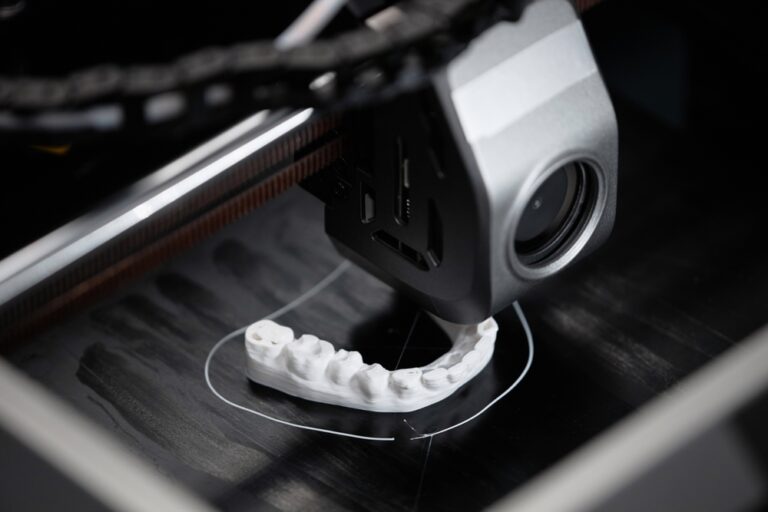

Dental wax is a simple yet highly effective material that has been used in dentistry for decades to improve comfort and protect the soft tissues of the mouth. Most people associate dental wax with braces, but it has a much wider range of applications. It can temporarily cover rough edges, reduce irritation caused by orthodontic appliances, and even assist in certain dental procedures. While dental wax is not a permanent solution for dental concerns, it plays an important role in helping patients stay comfortable while undergoing treatment or waiting for professional care.
At Catalis Dental Lab Partners, understanding the materials used throughout restorative and orthodontic treatment helps patients better appreciate the precision involved in modern dental care. Although dental wax is a small component compared to advanced restorations, implants, or prosthetics, its versatility makes it an invaluable tool for both dental professionals and patients.
How Dental Wax Works
Dental wax is typically made from a blend of natural waxes such as beeswax, paraffin, or microcrystalline wax. It is designed to soften with body heat, allowing it to mold easily around dental appliances or specific areas of concern. Once placed, the wax creates a smooth barrier that prevents brackets, wires, or rough dental surfaces from rubbing against the cheeks, lips, or tongue.
Because it is non-toxic and easy to apply, dental wax is safe for temporary use. Patients simply roll a small amount between their fingers until it softens before pressing it onto the area causing discomfort. The wax remains in place during normal daily activities and can easily be removed and replaced as needed.
Common Applications of Dental Wax
Although orthodontic care remains the most recognized use, dental wax serves several purposes across many areas of dentistry.
- Protecting the cheeks and lips from braces or orthodontic wires
- Covering sharp edges on temporary crowns or restorations
- Reducing irritation from removable partial dentures
- Providing temporary comfort around healing dental implants or prostheses as directed by a dentist
- Assisting dental laboratories during the design and fabrication of restorations
- Helping stabilize certain materials during dental procedures
Its flexibility makes dental wax useful in both clinical settings and at home, particularly when patients experience temporary irritation before a scheduled dental appointment.
Dental Wax During Orthodontic Treatment
Improving Comfort with Braces
Patients beginning orthodontic treatment often notice that their cheeks and lips require time to adjust to brackets and wires. During the first few weeks, these appliances may create friction that leads to sore spots or minor ulcers inside the mouth. Dental wax helps reduce this friction by covering the areas that contact the soft tissues, allowing irritated areas an opportunity to heal.
As orthodontic treatment progresses, periodic adjustments may introduce temporary discomfort as new wires or brackets shift tooth positions. Applying fresh dental wax during these adjustment periods often helps patients remain comfortable while continuing their normal daily activities.
Temporary Protection for Loose Wires
Occasionally, an orthodontic wire may shift or extend beyond the last bracket, creating irritation until the patient can visit the orthodontist. Dental wax provides temporary protection by covering the protruding wire, helping prevent injury to the surrounding tissues. While this improves comfort, patients should still schedule professional repairs as soon as possible since dental wax is not intended to replace orthodontic treatment.
Uses in Restorative and Prosthetic Dentistry
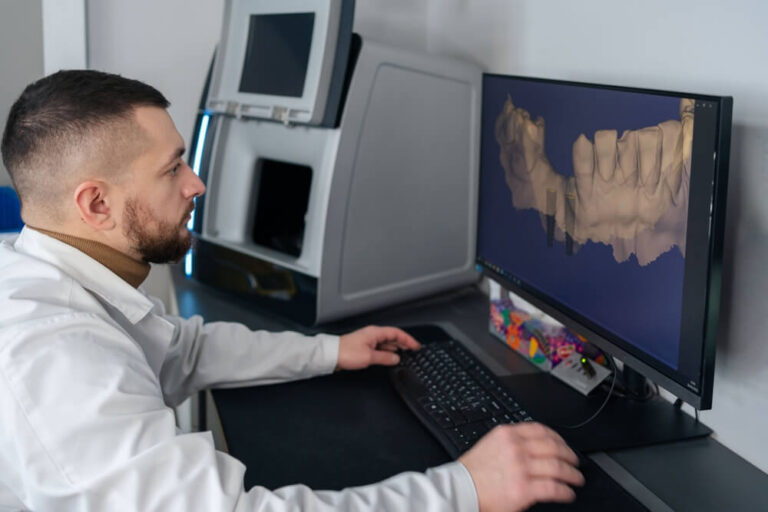
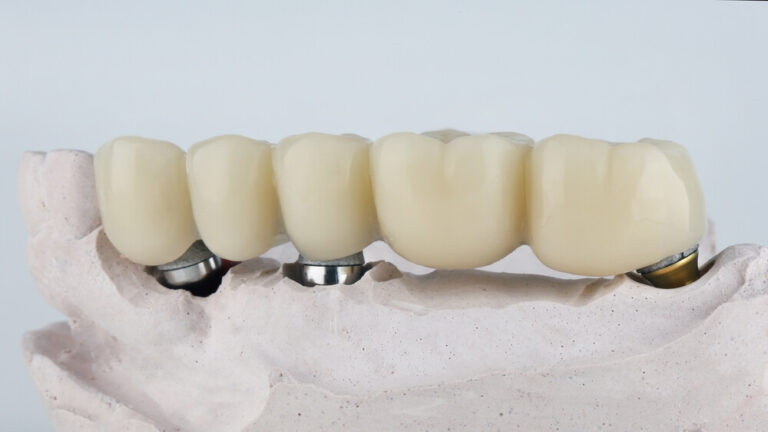
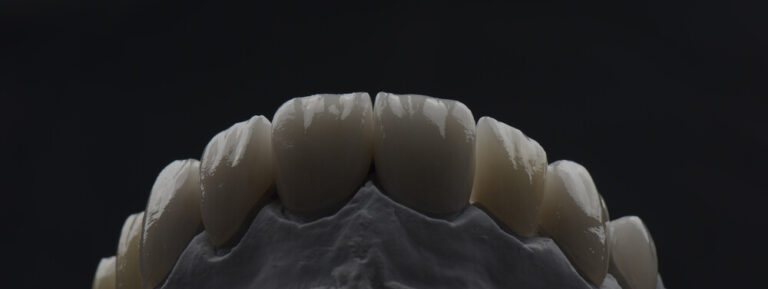
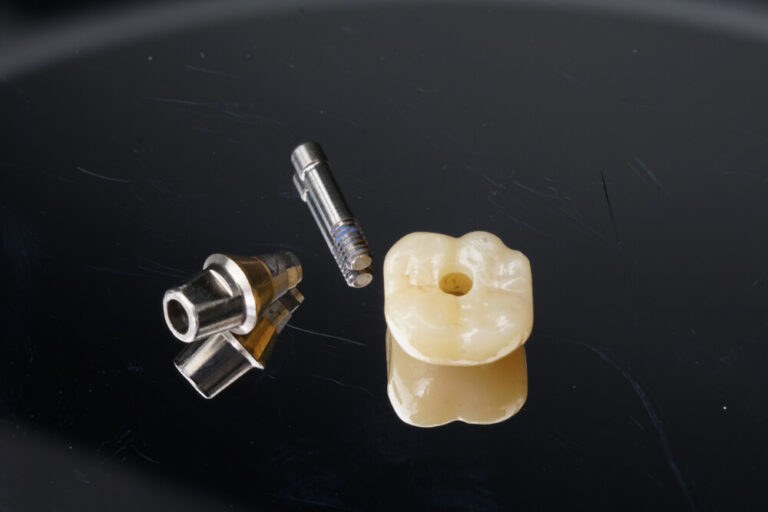
Dental wax is also valuable during restorative procedures. Dental professionals and laboratories frequently use specialized waxes when designing crowns, bridges, dentures, and implant-supported restorations. Wax patterns allow technicians to evaluate shape, contours, bite relationships, and esthetics before the final restoration is fabricated.
Modern restorative workflows often combine traditional craftsmanship with advanced digital technology. While digital design has transformed many laboratory processes, wax remains an important material for verifying details and refining restorations before final production. Patients interested in learning more about restorative solutions can explore Catalis Dental Lab Partners’ Layered Crown & Bridge, All-Ceramic, and Dentures educational resources to better understand how customized restorations are created.
Proper Use and Care
Dental wax works best when applied to a clean, dry surface. Washing the hands beforehand and gently drying the affected appliance helps the wax adhere more effectively. Small amounts are usually sufficient, and replacing the wax after meals or brushing helps maintain cleanliness and effectiveness.
Although dental wax provides excellent temporary relief, it should never be considered a substitute for professional dental care. If discomfort persists, appliances become damaged, or restorations feel loose or unstable, patients should contact their dental provider promptly for evaluation and treatment.
A Small Material with a Big Impact
Despite its simplicity, dental wax makes a significant difference in helping patients remain comfortable throughout many types of dental treatment. Whether protecting soft tissues during orthodontic care, assisting with temporary restorative concerns, or supporting laboratory fabrication techniques, dental wax serves a wide variety of practical purposes that improve both the treatment experience and restorative outcomes.
Catalis Dental Lab Partners recognizes that successful dental care depends on many carefully designed components working together. From advanced restorative technologies to everyday materials like dental wax, every element contributes to creating comfortable, functional, and long-lasting dental solutions. Understanding these small but important tools helps patients become more informed participants in their oral health journey.
Resources
Proffit, W. R., Fields, H. W., Larson, B., & Sarver, D. M. (2019). Contemporary Orthodontics (6th ed.). Elsevier.
Rosenstiel, S. F., Land, M. F., & Fujimoto, J. (2022). Contemporary Fixed Prosthodontics (6th ed.). Elsevier.
Anusavice, K. J., Shen, C., & Rawls, H. R. (2013). Phillips’ Science of Dental Materials (12th ed.). Elsevier.